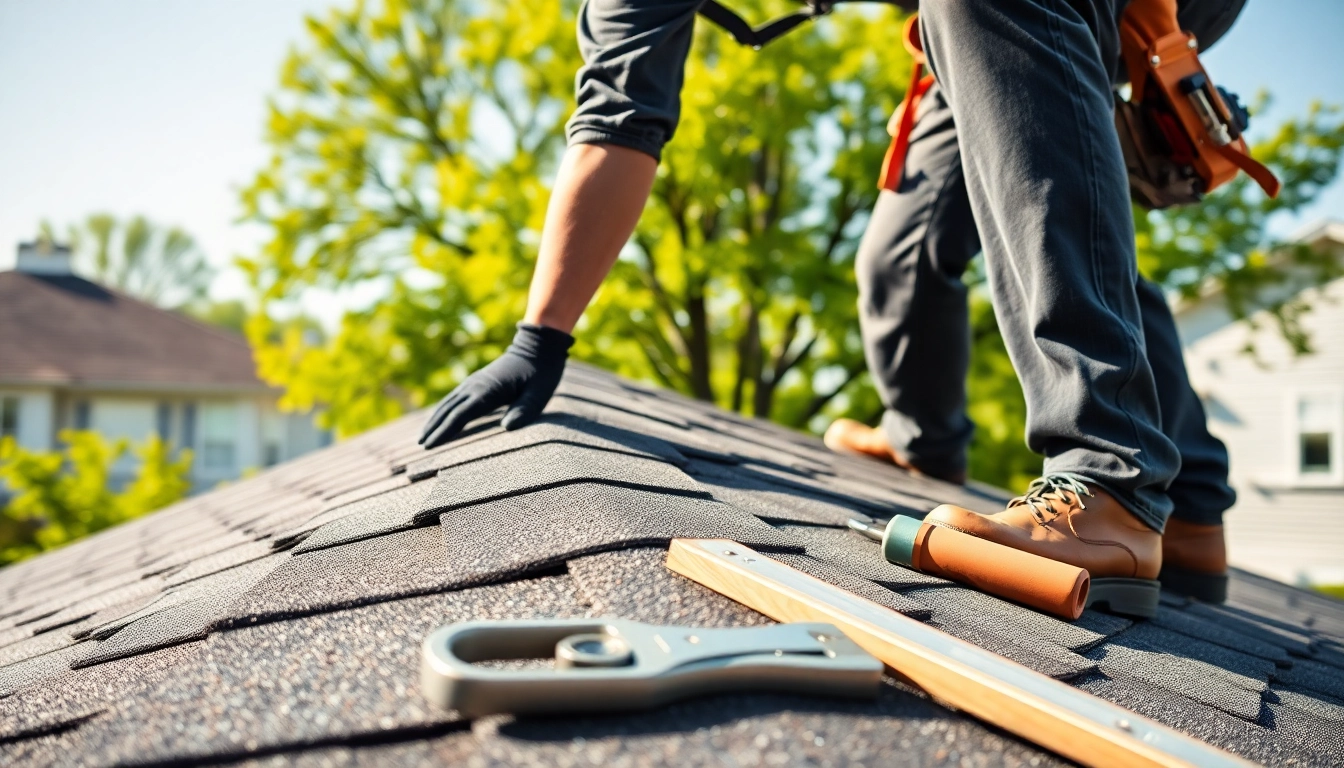
Understanding High-Quality Roofing Solutions
When it comes to securing your home or commercial property, one of the most critical components is the roof. Investing in high-quality roofing solutions is essential for ensuring the longevity of your building, protecting it from the elements, and enhancing its overall aesthetic appeal. This comprehensive guide will delve into what constitutes high-quality roofing, its benefits, the materials commonly used, and how to assess your specific roofing needs.
What Constitutes High-Quality Roofing?
High-quality roofing is defined by several key attributes that contribute to performance, longevity, and safety:
- Durability: Quality roofing materials are designed to withstand harsh weather conditions such as heavy rain, wind, hail, and extreme temperatures. Selecting materials based on climate considerations is crucial.
- Installation Quality: Proper installation ensures that roofing systems perform as intended. Skilled professionals adhere to best practices and local codes, minimizing the risk of leaks and failures.
- Energy Efficiency: High-quality roofing solutions often utilize materials that improve insulation, reducing heating and cooling costs. These roofs reflect sunlight, decreasing energy consumption.
- Warranty and Lifespan: Quality roofs come with solid warranties covering defects and premature failures. Understanding the warranty’s scope can provide peace of mind.
- Visual Appeal: A high-quality roof contributes to the home’s overall look. Aesthetics can increase property value, making it appealing to potential buyers.
Benefits of Choosing High-Quality Roofing Solutions
The benefits of opting for high-quality roofing solutions extend far beyond immediate aesthetics. Here are several compelling reasons to invest:
- Longevity: Quality roofing systems can last significantly longer than cheaper alternatives, often exceeding 25 years.
- Reduced Maintenance Costs: Higher quality often translates to lower maintenance due to superior performance and durability, ultimately reducing long-term costs.
- Increased Home Value: A robust roof enhances resale value, appealing to prospective buyers who value durability and energy efficiency.
- Peace of Mind: Knowing your roof is built to last provides confidence and reduces stress related to potential repairs or replacements.
- Improved Resale Value: A high-quality roof with energy-efficient properties can lead to higher bids on your home during sales.
Common Materials Used in High-Quality Roofing
Several materials are recognized for their quality and performance in the roofing industry:
- Asphalt Shingles: Widely used for their affordability and variety, asphalt shingles come in different styles, colors, and weights. They offer a good balance of cost and performance.
- Metal Roofing: Metal roofs are durable, lightweight, and energy-efficient. Material choices like steel, aluminum, or copper provide longevity and resistance to elemental damage.
- Slate: Valued for its beauty and lifespan, slate roofing is extremely durable but requires skilled installation due to its weight.
- Tile: Often found in Mediterranean or Spanish-style homes, tile roofs are effective at cooling homes and are resistant to elements, which enhances their life.
- Wood Shingles and Shakes: Providing natural beauty and excellent insulation, wood roofing must be maintained regularly to prevent rot and pests.
Assessing Your Roofing Needs
Before embarking on any renovation or new roofing project, evaluating your specific needs is crucial for making informed decisions:
Identifying Signs of Roof Damage
Recognizing the signs of roof damage is vital for timely repairs or replacements. Common indicators include:
- Leaks: Stains on ceilings, walls, or around chimneys suggest water infiltration that requires immediate attention.
- Missing or Damaged Shingles: Shingles that are curled, cracked, or entirely missing compromise your roof’s integrity.
- Moss Growth: Presence of moss indicates moisture retention, which can lead to further damage.
- Debris in Gutters: Excessive shingle granules or debris can signal wear and tear on your roofing material.
- Bad Ventilation: Poor ventilation can lead to temperature imbalances and moisture buildup, causing significant roof damage.
Factors to Consider When Choosing a Roofing Material
Several factors should influence your choice of roofing material:
- Climate: Your region’s climate can determine the most suitable materials; for instance, metal roofs are excellent in snowy climates but might not be ideal for high winds.
- Building Structure: The building’s design and architecture play a significant role in material selection.
- Budget: It is essential to balance upfront costs with long-term durability and maintenance expenses.
- Aesthetics: Consider how varying materials will complement the overall architecture of your structure.
- Local Building Codes: Always ensure compliance with local regulations regarding roofing materials and installation processes.
How to Budget for High-Quality Roofing Solutions
Budgeting effectively for a roofing project involves several steps:
- Initial Quotes: Seek multiple estimates from qualified contractors to understand the cost range for your desired roofing solutions.
- Material Costs: Research the costs of various materials, considering both initial and long-term costs.
- Consider Unexpected Expenses: Always set aside a contingency fund, typically 10-20% of your budget, for unforeseen issues during installation.
- Financing Options: Explore financing plans or home improvement loans that offer flexibility during the investment process.
- Insurance Considerations: Verify whether roofing replacement or repair is covered under your homeowner’s insurance to potentially alleviate costs.
The Installation Process of High-Quality Roofing Solutions
Installing a new roof is a significant undertaking. Understanding the installation process helps you prepare adequately:
Choosing the Right Contractor for Your Roofing Project
Selecting the right contractor can make or break your roofing project. Here’s what to look for:
- Experience: Research their background in roofing projects similar to yours, including reviews and testimonials.
- Licensure and Insurance: Ensure the contractor is licensed and carries adequate insurance, protecting you from liability.
- Transparency: A trustworthy contractor offers detailed estimates and is willing to answer all your questions.”
- Local Reputation: Contractors with a solid reputation in your community are generally more reliable.
- Warranty Information: Verify what warranties they offer on both labor and materials, ensuring comprehensive coverage.
Steps in the Installation of High-Quality Roofing
The roofing installation process typically includes the following steps:
- Preparation: Ensure the area is clear of debris and prepare scaffolding if necessary. Damaged areas will be inspected and addressed.
- Old Roof Removal: The existing roof must be carefully removed, ensuring the underlying structures are intact.
- Inspection and Repairs: Inspect the sheathing and other structural elements for signs of damage, making necessary repairs.
- Underlayment Installation: Install a protective underlayment to shield against water infiltration.
- Shingle or Material Installation: Begin laying the chosen roofing material, following a systematic pattern to ensure stability.
- Finishing Touches: Install ridge caps, flashing, and ventilation systems to ensure comprehensive protection.
- Cleanup: Remove all debris, and conduct a thorough inspection before completion.
Post-Installation Care for Longevity
After installation, proper care is essential to maintaining your new roof:
- Initial Inspection: Conduct a complete inspection after a rainstorm to ensure there are no leaks or issues from installation.
- Sealing: Apply sealants as required to prolong lifespan and effectiveness.
- Documenting Improvements: Keep a record of the materials and contractors used for future reference and warranty claims.
- Follow Maintenance Recommendations: Adhere to the manufacturer’s instructions regarding maintenance schedules.
- Check for Debris Accumulation: Clear off any debris that may hold moisture and contribute to decay.
Maintaining Your High-Quality Roofing Solutions
Effective maintenance is critical to prolonging the life and performance of your roof. Following these strategies can help:
Routine Maintenance Tips and Best Practices
Regularly maintaining your roof can prevent costly repairs:
- Clean Gutters: Ensure gutters are free from leaves and debris to promote proper drainage.
- Conduct Inspections: Schedule bi-annual inspections to catch issues early, focusing on flashing, shingles, and ventilation.
- Check for Signs of Damage: Regularly monitor for shifting tiles, missing shingles, and rusting on metal roofs.
- Trim Overhanging Branches: keep tree branches away from the roof to prevent scratches and falling debris.
- Check Insulation and Ventilation: Ensure proper airflow in attics to prevent heat buildup, which can damage the roofing system.
How Weather Affects Your Roof’s Performance
Understanding weather-related impacts can aid in proactive maintenance:
- High Winds: Wind can lift shingles and cause structural damage. Post-storm checks are wise to assess for potential issues.
- Heavy Snow: Accumulated snow can add weight and cause ice damming, leading to leaks; regular clearing may be necessary.
- Extreme Heat: UV rays can degrade asphalt shingles over time. Consider reflective roofing options in hot climates.
- Heavy Rain: Intensive rain can exacerbate weaknesses, so routine inspections are crucial during rainy seasons.
- Humidity: Increased moisture levels can lead to mold growth or rotting in wooden roofs; proper ventilation can mitigate this.
Scheduling Professional Inspections
Enlist professionals for a thorough inspection at least twice a year:
- Detailed Assessment: Professionals will evaluate the condition of your roof and identify concerns that may not be visible to the untrained eye.
- Warranties: Some warranties require regular professional inspections to maintain validity, ensuring you’re covered in case of issues later.
- Expert Guidance: Industry professionals offer insights into maintenance and recommend improvements to enhance the roof’s longevity.
- Detailed Reports: Expect comprehensive reports outlining any issues and suggested remedial actions.
- Cost Management: Early detection of minor issues can save you from larger repair bills down the road.
Evaluating the Cost-Effectiveness of High-Quality Roofing Solutions
Ultimately, the cost-effectiveness of high-quality roofing solutions involves analyzing both upfront investment and long-term benefits:
Long-Term Savings with High-Quality Roofing
High-quality roofing solutions may have a more substantial initial cost, but they offer significant long-term savings:
- Lower Energy Bills: Energy-efficient roofing helps reduce heating and cooling costs, which can be significant over time.
- Fewer Repairs: Durable materials mean less frequent repairs compared to lower-quality options.
- Increased Resale Value: Potential buyers often value homes with a sturdy and efficient roof, which can lead to quicker sales at better prices.
- Tax Incentives: In some cases, energy-efficient roofs may qualify for tax credits or incentives, adding to savings.
- Reduced Insurance Premiums: Some insurance companies offer lower rates for homes with durable roofing systems, helping offset costs.
Understanding Warranties and Lifespan of Materials
Understanding warranty lengths and terms can influence your decision:
- Material Lifespan: Different materials come with varying lifespans — understanding these can help forecast long-term costs.
- Warranty Coverage: Review what is covered (labor, materials, etc.) and for how long to ensure you’re adequately protected.
- Transferability: Warranties that can be transferred to new owners can enhance resale value and attract buyers.
- Labor Warranty: Check if the installation comes with a warranty covering any labor-related complications.
- Regular Maintenance Requirements: Some warranties may dictate that regular maintenance is performed to remain valid.
Return on Investment: Is It Worth It?
Investing in high-quality roofing solutions can yield substantial returns:
- Increased Property Value: New roofs significantly boost a home’s market value, which is beneficial during resale.
- Buyer Appeal: Homes with high-quality roofs can sell faster and for higher prices compared to those needing replacements.
- Insurance Benefits: Quality roofing aids in insurance claims and often results in lower premiums, contributing to savings.
- Lower Maintenance Concerns: Less worry about leaks or other issues leads to greater satisfaction over time.
- Longevity: A well-constructed roof can last decades, making the initial investment worthwhile over its lifespan.