Understanding Bridge Cranes
In the manufacturing and logistics sectors, efficient material handling is a critical factor influencing productivity and operational costs. A key player in this area is the bridge crane, a specific type of overhead crane designed to lift and transport heavy loads across vast distances. This article delves into the intricate workings of bridge cranes, their benefits, and how to choose the right variant for your specific needs.
What is a Bridge Crane?
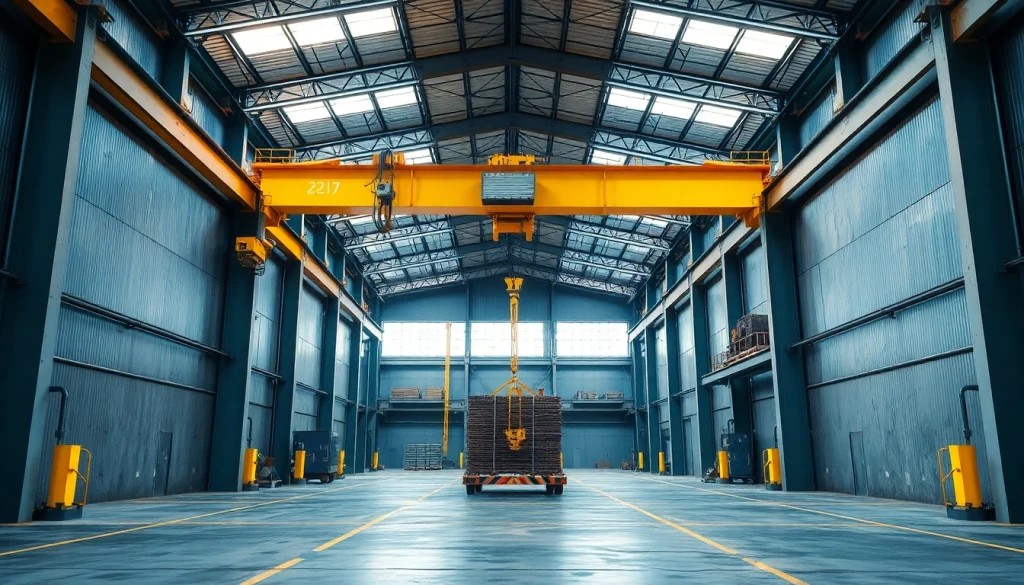
A bridge crane, often referred to as an overhead crane, is a type of crane that consists of two parallel runway beams that run along the length of the workspace. These beams support a traveling bridge with a hoist that can lift and transport materials from one end of the workspace to another. Bridge cranes are widely utilized in manufacturing plants, warehouses, and construction sites due to their ability to handle large, heavy loads safely and efficiently.
Key Components of Bridge Cranes
Understanding the key components of bridge cranes is essential for making informed decisions about their use and maintenance. The primary components include:
- Bridge Beams: The main structural components that span the distance between two runways. They support the hoist and load.
- Runways: The tracks on which the bridge travels, typically mounted along the walls of the building or on supporting columns.
- Hoist: The mechanism that lifts and lowers the load. It can come in various types, including electric, manual, and pneumatic hoists.
- Controls: System used by operators to maneuver the crane, which can be pendant, remote-controlled, or wireless.
Types of Bridge Cranes Available
Bridge cranes come in multiple configurations, tailored to meet specific operational demands. The most common types include:
- Single Girder Bridge Cranes: Characterized by a single beam, these cranes are lighter and more cost-effective, suitable for lighter loads.
- Double Girder Bridge Cranes: Featuring two parallel beams, these cranes offer enhanced load capacity and stability, ideal for heavy-duty applications.
- Overhead Gantry Cranes: These cranes operate similarly to bridge cranes but are supported by legs that run on the ground, providing more flexibility in positioning.
- Workstation Bridge Cranes: Designed for smaller loads and repetitive tasks within a defined area, they enhance efficiency in assembly lines and tool transport.
Benefits of Using Bridge Cranes
Bridge cranes offer several advantages that contribute to increased efficiency and productivity in industrial settings. Understanding these benefits can help businesses make informed decisions regarding material handling solutions.
Improved Efficiency in Material Handling
One of the primary advantages of bridge cranes is their ability to facilitate the quick and safe movement of materials. With their capacity to traverse large areas and lift heavy objects, they significantly reduce the time taken to move loads compared to manual handling or smaller cranes. This increase in efficiency can lead to faster production cycles and improved overall operational performance.
Space Utilization and Layout Flexibility
Bridge cranes are designed to operate above the workspace, which means they do not consume valuable floor space. This vertical operation allows for more efficient use of the area beneath the crane for other activities, such as placing inventory or conducting inspections. Furthermore, their ability to move in multiple directions provides flexibility in layout design, allowing businesses to optimize their operational flow.
Cost-Effectiveness and ROI Analysis
Investing in a bridge crane can yield significant returns over time. By automating material handling processes, companies can reduce labor costs, minimize workplace injuries, and decrease product damage. Although the initial investment might be substantial, the long-term savings and productivity gains often outweigh the costs, providing an excellent return on investment (ROI).
Choosing the Right Bridge Crane for Your Needs
Selecting the right bridge crane is crucial for maximizing productivity and ensuring safety in your operations. Various factors need to be considered to tailor the crane to your specific requirements.
Assessing Load Capacity and Reach
Before purchasing a bridge crane, it’s essential to determine the maximum load capacity you will require. Each crane type has different load ratings, impacting the safety and efficiency of handling heavy materials. Additionally, consider the reach of the crane; the distance it can effectively cover is vital for operations where materials need to be moved across large spaces.
Understanding Different Designs and Configurations
Bridge cranes come in different designs, each tailored for specific applications. It’s important to understand the unique features of single girder versus double girder cranes, as well as gantry and workstation models. Evaluating the operational environment and specific usage scenarios can help in selecting the most suitable design.
Evaluating Safety Features and Compliance Standards
Safety in industrial environments is paramount. Ensure that the bridge crane meets all relevant safety standards and comes equipped with essential safety features such as overload protection, emergency stop functions, and regular inspection protocols. Compliance with OSHA and ANSI standards is critical for ensuring the safety of operators and preventing workplace accidents.
Installation and Maintenance of Bridge Cranes
Proper installation and ongoing maintenance of bridge cranes are vital to ensuring their longevity and reliability. A well-maintained crane enhances safety and promotes efficient operations.
Step-by-Step Installation Guide
The installation of a bridge crane requires careful planning and execution. Here is a general guideline to follow:
- Site Preparation: Ensure that the installation site is clear, stable, and reinforced to bear the crane’s weight.
- Runway Construction: Install the runways based on the calculated width and length according to the crane design requirements.
- Bridge Assembly: Assemble the bridge beams on the runways, ensuring they are level and securely fastened.
- Hoist Installation: Attach the hoist and ensure it operates smoothly along the bridge.
- Control Setup: Install the control systems and perform tests to ensure functionality.
Regular Maintenance Practices
Routine maintenance of bridge cranes is essential to prevent malfunctions and prolong their lifespan. Common maintenance practices include:
- Regular Inspections: Conduct daily and periodic inspections to identify wear and tear.
- Lubrication: Ensure all moving parts are regularly lubricated to facilitate smooth operation.
- Load Testing: Perform load tests to verify the crane can handle its rated capacity safely.
Common Issues and How to Resolve Them
Bridge cranes can experience various issues, ranging from mechanical failures to electrical problems. Some common issues include:
- Hoist Malfunctions: Regularly check hoist operations and address any unusual noises or inefficiencies.
- Electrical Failures: Inspect electrical systems for loose connections or voltage inconsistencies.
- Structural Integrity: Monitor for signs of wear in the bridge and runways, addressing any structural concerns immediately.
Future Trends in Bridge Crane Technology
The future of bridge crane technology promises exciting advancements, driven by automation and sustainability trends. Staying informed about these developments can help businesses remain competitive.
Automation and Smart Technologies in Cranes
One of the most significant trends in crane technology is the integration of automation and smart solutions. Features such as remote monitoring, predictive maintenance, and automated load handling are transforming the operational landscape. These technologies not only enhance efficiency but also improve workplace safety by minimizing human error.
Environmental Considerations and Innovations
As industries strive for sustainability, the development of eco-friendly bridge cranes will become increasingly important. Innovations such as energy-efficient motors, regenerative braking systems, and materials sourced from sustainable practices will play a key role in minimizing the environmental impact of crane operations.
Predictions for 2025 and Beyond in Crane Design
Looking towards 2025, we can anticipate several trends in bridge crane design, including:
- Increased Customization: Greater emphasis on tailored solutions that meet specific industrial applications.
- Improved Safety Features: Enhanced safety systems that utilize IoT technologies for real-time monitoring and alerts.
- Enhanced User Interfaces: More intuitive control systems that simplify operator training and enhance usability.
In conclusion, bridge cranes are invaluable assets for contemporary industrial operations. By understanding their components, benefits, and the latest trends in technology, organizations can optimize their material handling processes while ensuring safety and compliance. As industries evolve, staying abreast of these developments will be essential for maintaining operational efficiency and competitiveness.