
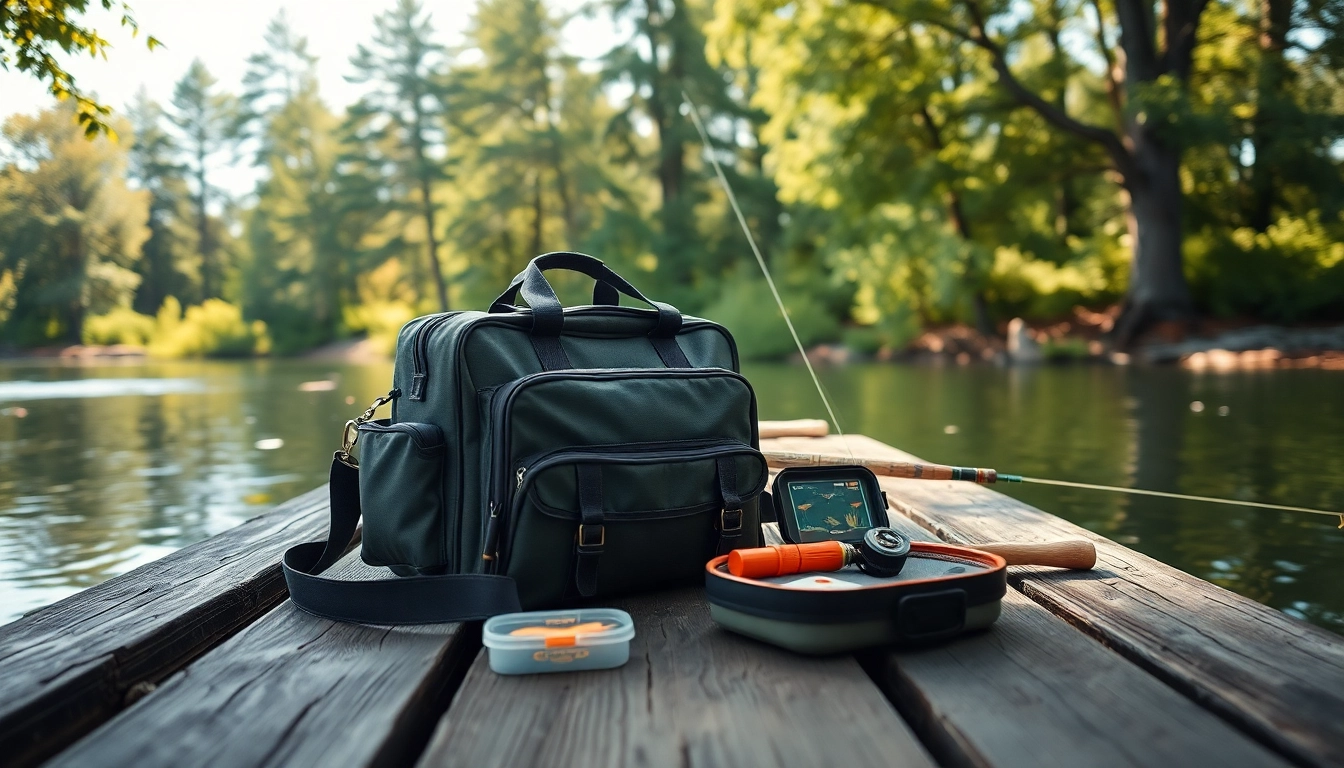
Understanding Fly Fishing Bags
When embarking on a fly fishing adventure, having the right gear is crucial for success and enjoyment. One of the most essential components of your fly fishing setup is your fly fishing bag. A fly fishing bag not only keeps your equipment organized but also ensures that you have everything within easy reach while you’re on the water. This guide delves deep into the world of fly fishing bags, helping you understand their importance, the features to look for, and what makes each bag unique.
What Makes a Good Fly Fishing Bag?
A good fly fishing bag is more than just a storage option; it’s a critical part of your fishing experience. Key attributes of an effective fly fishing bag include versatility, durability, and organizational capabilities. It should allow anglers to carry all necessary gear: from flies and leaders to tippet spools, tools, and personal items, without cumbersome bulk.
Moreover, comfort and ease of transport are crucial. Look for padded straps and ergonomic designs that make lengthy hikes to remote fishing spots more manageable. Good accessibility is also vital — you should be able to quickly grab and stow items without fumbling.
Types of Fly Fishing Bags Available
There are various types of fly fishing bags designed to cater to different anglers’ needs. Some common varieties include:
- Backpacks: Ideal for long hikes, these provide ample storage with comfort in mind.
- Sling Bags: Offering easy access to gear, sling bags are worn across the body for quick retrieval.
- Chest Packs: These small, compact carriers keep essentials at the front for the ultimate convenience.
- Tackle Bags: Larger bags with multiple compartments, perfect for longer trips requiring extensive gear.
Choosing the right type depends on the fishing environment and personal preferences. For example, if you plan on walking long distances, a lightweight backpack may be more advantageous than a tackle bag.
Essential Features to Look For
When selecting a fly fishing bag, consider the following essential features:
- Water Resistance: Ensure your bag can withstand moisture, protecting your gear from unexpected rain or splashes.
- Multiple Compartments: Adequate organization helps in storing different tools and accessories separately, preventing clutter.
- Comfortable Straps: Padded and adjustable straps can significantly enhance the ease of carrying, especially during long trips.
- Attachment Points: Look for exterior D-rings or loops to attach additional gear, like nets or water bottles.
Remember, a well-designed fly fishing bag can make your outings more pleasurable and efficient.
Organizational Aspects of Fly Fishing Bags
Compartment Design and Utility
The compartment layout of a fly fishing bag can greatly influence how well you can organize your gear. Bags with clearly defined sections allow anglers to categorize their items, such as flies, leaders, and tools. Bags featuring transparent or mesh pockets give a quick view of contents, prompting faster decisions on what to take with you or leave behind. Think of compartment design as a strategy: the more intuitive it is, the less time you spend fumbling and the more time you spend fishing.
Storage Options for Gear and Tackle
Storage is not only about having space but also about utilizing that space effectively. Opt for bags that provide a mix of storage solutions:
- Dedicated Fly Storage: Look for waterproof pockets or fly boxes specifically designed for your flies.
- Tool Holders: Make sure there’s an area for pliers, nippers, and other tools to keep them accessible.
- Expandable Sections: Some bags come with compartments that can expand, offering flexibility based on your trip length.
Considering how you plan to use the bag can help simplify your storage options and lead to a better fishing experience overall.
Accessibility and Ease of Use
Accessibility often forms the dividing line between a good fly fishing bag and a great one. Look for bags that allow for easy access without fumbling around. Features such as quick-release buckles, magnetic closures, or slanted pockets can enhance usability. Furthermore, consider how often you’ll need certain equipment — daily essentials should be easily reachable, while less frequently used items can be tucked away. Accessibility adds to your enjoyment on the water by reducing frustration and downtime.
Material and Durability Considerations
Common Materials Used in Fly Fishing Bags
Material choice plays a significant role in a fly fishing bag’s overall durability and functionality. Common materials include:
- Polyester and Nylon: Lightweight and resistant to wear and tear, these fabrics are commonly used for their balance of weight, durability, and cost-effectiveness.
- Canvas: While heavier, canvas bags offer exceptional durability and can withstand rough handling.
- Neoprene: Seen in more waterproof options, neoprene can be especially beneficial in wet conditions.
Each material has its advantages and disadvantages, so it’s essential to match the material with your fishing conditions and personal preferences.
How to Choose a Durable Fly Fishing Bag
Durability often dictates the lifespan of your fly fishing bag. A well-made bag resists tears, abrasion, and water intrusion. Look for reinforced seams, high-quality zippers, and protection against UV rays. Reviews and user experiences can provide insight into long-term performance. It may be wise to invest in a slightly more expensive option from reputable brands to ensure you aren’t replacing your bag every season.
Weather Resistance and Waterproofing Features
A fly fishing bag that can withstand various weather conditions is paramount. Waterproof bags are often coated or constructed with materials specifically designed to repel water. Look for brands that offer waterproof ratings, and consider buying bags with sealed zippers for added protection. If you’re fishing in areas prone to rain or splashes, it’s worth investing in a bag that’s fully waterproof.
Comparing Popular Fly Fishing Bags on the Market
Top Brands and Their Offerings
The fly fishing market boasts a variety of brands, each offering unique features in their bags. Notable players include:
- Orvis: Known for high-quality materials and ergonomic designs, Orvis bags come with lifetime warranties.
- SIMMS: Focuses on functional designs specifically for the fly fishing community, often with waterproof materials.
- Umpqua: Offers innovative storage solutions and utilizes quality materials.
- Fishpond: Known for their eco-friendly practices and sustainable material choices.
Each brand has strengths and weaknesses, so consider what features matter most to you before deciding.
User Reviews and Recommendations
User reviews can offer valuable insights into the practicality of a fly fishing bag. Websites dedicated to outdoor gear often feature detailed reviews where actual users share their experiences. Look for comments focusing on durability, organizational features, and comfort over extended use. Preferences can vary widely; some anglers may prioritize lightweight designs, while others require heavy-duty options.
Price Ranges and Budget Considerations
Fly fishing bags can range from budget-friendly models under $50 to high-end options exceeding $300. Your budget should align with your fishing habits. If you fish frequently or in demanding conditions, investing in a premium bag may reduce long-term expenses. Conversely, for casual anglers, a mid-range bag may provide all the functionality you need without breaking the bank.
Tips for Maintaining Your Fly Fishing Bag
Cleaning and Care Guidelines
To prolong the life of your fly fishing bag, proper cleaning and maintenance are essential. After each use, especially in wet conditions, allow the bag to air out and dry completely. Regularly wipe down the exterior with a damp cloth and mild soap to remove any dirt or residue. If your bag features waterproofing, avoid harsh chemicals that can damage the material.
Storage Tips When Not in Use
Storing your fly fishing bag properly is just as critical as maintaining it. When not in use, keep it in a cool, dry place out of direct sunlight to prevent fading and degradation. Avoid cramming it into tight spaces, as this can distort its shape and structure. If it’s a larger bag, consider filling it with lightweight items or packing it into a larger container to maintain its shape during storage.
When to Replace Your Fly Fishing Bag
Knowing when to replace your fly fishing bag can save you frustration and money in the long run. Signs it’s time for a new bag include:
- Visible wear and tear, such as fraying straps or ripped seams.
- Compromised water resistance that allows moisture to enter.
- Inadequate organizational capacity that hampers your fishing enjoyment.
- Overall discomfort during transport, affecting your fishing trips.
If you’re experiencing any of these issues, it may be time to consider investing in a new fly fishing bag to enhance your fishing experience.