Introduction to the 10kW Hybrid Solar System
The quest for sustainable energy solutions has led many homeowners to consider solar power, and the 10kw hybrid solar system is at the forefront of this movement. By combining solar energy generation with battery storage, hybrid systems provide an independent energy source that can power homes during daytime and nighttime. As technology evolves, these systems have become more efficient and accessible, making them a viable option for many families looking to reduce their carbon footprint while managing energy bills. This article delves into the mechanics, benefits, and future of 10kW hybrid solar systems, providing you with a comprehensive understanding of how they can enhance your energy independence and sustainability.
What is a Hybrid Solar System?
A hybrid solar system integrates multiple energy sources, predominantly solar panels and batteries, allowing for flexibility in energy supply. It can connect to the electrical grid while also utilizing energy stored in batteries, thereby providing a reliable energy source even during outages. This blend ensures that homeowners can utilize solar energy produced during the day and still have access to stored energy at night or during periods of low sunlight.
Benefits of a 10kW Hybrid Solar System
- Energy Independence: A hybrid system allows homeowners to generate and store their own electricity, decreasing reliance on the grid and enhancing energy security.
- Cost Savings: By harnessing solar energy, homeowners can significantly reduce their electricity bills. The long-term savings often exceed the initial investment costs.
- Environmental Impact: Utilizing renewable energy sources like solar power reduces greenhouse gas emissions, contributing to a cleaner environment.
- Battery Backup: With a hybrid system, excess energy can be stored for later use, ensuring continuous power supply during grid outages or peak usage times.
Key Components of an Efficient Hybrid System
To function optimally, a 10kW hybrid solar system consists of several critical components:
- Solar Panels: High-efficiency solar panels, such as monocrystalline silicon, are essential for maximizing energy capture.
- Inverter: The inverter converts direct current (DC) from the solar panels into alternating current (AC) used by most home appliances.
- Battery Storage: A lithium-ion battery system stores excess energy generated during the day for use when sunlight is not available.
- Mounting System: A robust mounting system ensures that solar panels are securely installed on rooftops or ground mounts to withstand various weather conditions.
Understanding Solar Energy Output and Efficiency
Daily Energy Generation: What to Expect from 10kW
On average, a 10kW hybrid solar system can generate between 30 to 50 kilowatt-hours (kWh) of energy daily, depending on geographical location, seasonal changes, and weather conditions. This output typically covers the average energy consumption of a medium-sized household, allowing homeowners to power essential appliances and reduce their reliance on grid electricity.
Factors Affecting Solar Panel Efficiency
Several factors impact the efficiency of solar panels, including:
- Sunlight Exposure: The amount of direct sunlight received by the panels significantly affects energy output. Locations with prolonged sunshine yield better results.
- Panel Orientation: Proper tilt and orientation towards the sun maximize energy capture; south-facing installations are often optimal in the northern hemisphere.
- Temperature: High temperatures can reduce the efficiency of solar panels. Panels are most efficient under cool conditions with ample sunlight.
Comparing Solar Panel Types: Monocrystalline vs. Polycrystalline
Choosing the right type of solar panel is crucial for optimizing energy output. Here’s a brief comparison:
- Monocrystalline Panels: Known for their high efficiency and longevity, these panels can produce more energy per square foot. They are typically more expensive but offer better performance in low-light conditions.
- Polycrystalline Panels: While generally less efficient than monocrystalline, these panels are more cost-effective and perform well in full sunlight. They have a shorter lifespan but are a great option for budget-conscious buyers.
Installation and Configuration of Your 10kW Hybrid Solar System
Essential Guidelines for Installation
The installation of a 10kW hybrid solar system requires careful planning and execution. Here are key steps:
- Conduct a site assessment to determine optimal placement for solar panels.
- Ensure that your roof can support the weight and structure of the solar system.
- Follow local codes and regulations regarding renewable energy installations.
- Use qualified installers who understand the intricacies of solar systems for safety and efficiency.
Considering Local Regulations and Permits
Before installation, homeowners must familiarize themselves with local regulations and obtain the necessary permits. Many regions have specific zoning laws and building codes that govern the installation of solar energy systems. It’s crucial to contact local authorities to ensure compliance and avoid potential fines or delays.
Recommended Tools and Equipment for Setup
During installation, having the right tools is essential. Key equipment includes:
- Drills and fasteners for securing panels.
- Electrical connectors and wiring for safe connections.
- Safety gear including helmets and harnesses, especially when working on rooftops.
- Measuring equipment to ensure proper alignment and spacing.
Maintenance and Troubleshooting of Hybrid Solar Systems
Routine Maintenance Practices for Longevity
To ensure optimal performance, regular maintenance of the hybrid solar system is necessary. Homeowners should:
- Clean solar panels regularly to remove dirt and debris that can obstruct sunlight.
- Inspect the wiring and connections for any signs of wear or damage.
- Check the battery health periodically to ensure it holds a charge and performs well.
- Schedule a yearly professional inspection to identify and rectify any issues early.
Common Issues and Solutions
Some common problems that may arise include:
- Reduced Efficiency: This may occur due to shading or soiling; regular cleaning and placement adjustments can help.
- Battery Issues: If the battery does not hold a charge, it may need replacement. Regular monitoring can prevent this problem.
- Inverter Failures: Inverters may experience faults; ensuring installation by a qualified technician can mitigate these risks.
When to Consult a Professional
If you experience persistent issues or wish to upgrade your system, consulting a solar professional can provide valuable insights and solutions. They can conduct detailed diagnostics and recommend adjustments or replacements to enhance system performance.
The Future of Hybrid Solar Technology
Emerging Trends in Solar Energy for 2025
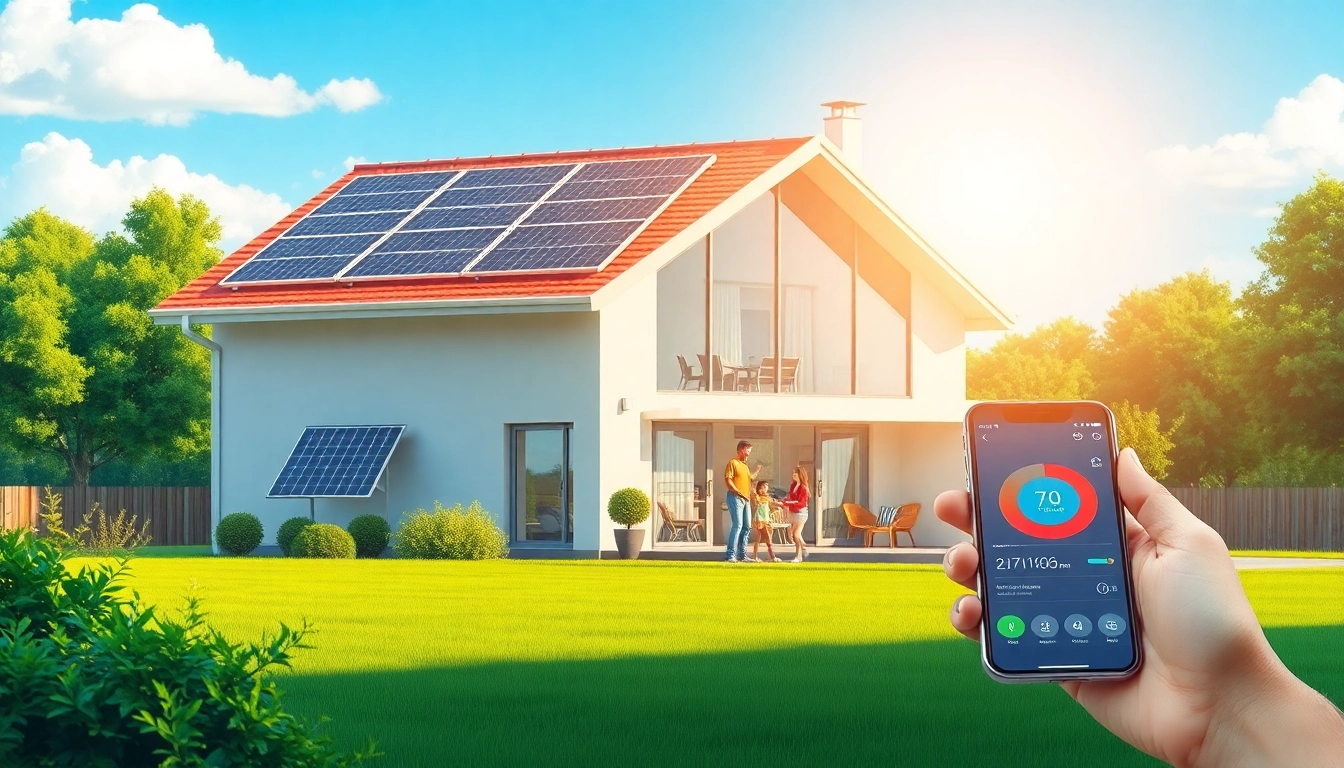
As technology evolves, the solar energy landscape continues to change. In 2025, we can expect to see enhanced efficiencies in solar panels, with some achieving rates above 25%. Additionally, integration with smart home devices and energy management systems will allow users to optimize power consumption dynamically.
The Impact of Battery Storage in Hybrid Systems
Battery technology is advancing rapidly, lowering costs while improving performance. The future of 10kW hybrid systems will likely see increased adoption of solid-state batteries, which offer higher energy densities and longer lifespans compared to traditional lithium-ion batteries, making them a smart investment for homeowners.
Innovations in Smart Solar Solutions
Smart solar technology will play a vital role in the future of home energy systems. Innovations such as AI-driven energy management systems will help homeowners monitor consumption patterns, predict energy needs, and enhance overall efficiency. This will make managing a hybrid system easier and more efficient, paving the way for widespread adoption.