Understanding Island Lighting Basics
What is Island Lighting?
Island lighting refers to lighting fixtures specifically designed for use over kitchen islands, bars, or other similar areas. These fixtures aim to provide both functional and aesthetic benefits, enhancing the overall look of the space while ensuring that the area is well-lit for cooking, eating, and socializing. Typically, island lighting comes in various forms—pendants, chandeliers, and linear fixtures—and can be adjusted to meet the specific needs of any kitchen layout.
Benefits of Island Lighting
The introduction of island lighting can transform a kitchen environment in several impactful ways. First, they provide essential task lighting that focuses on prep areas, improving safety and usability. Additionally, their aesthetic appeal can create a focal point in the kitchen, contributing to an inviting atmosphere. Furthermore, well-placed island lighting can add dimension and character, serving as both decorative and functional elements.
Key Features to Look For
When choosing island lighting, it’s crucial to consider several features. Adjustable brightness settings allow for versatile lighting scenarios, catering to both intimate gatherings and busy cooking sessions. Fixture height is also essential; lights should be hung at an appropriate height to avoid obstruction while providing adequate illumination. Moreover, consider the material and design—these should align with your overall kitchen style to ensure cohesiveness. Energy efficiency is another important factor, especially as more homeowners become eco-conscious.
Popular Styles of Island Lighting
Modern Island Lighting Designs
Modern island lighting often features sleek lines, minimalist designs, and innovative materials, such as glass and metals. These fixtures may incorporate LED technology for efficiency and longevity. Modern designs highlight simplicity with functional forms, often seen in linear or geometrically shaped pendants. Integration of smart technology, such as dimmable options or color-changing capabilities, is also becoming increasingly common, appealing to tech-savvy homeowners.
Rustic Island Lighting Options
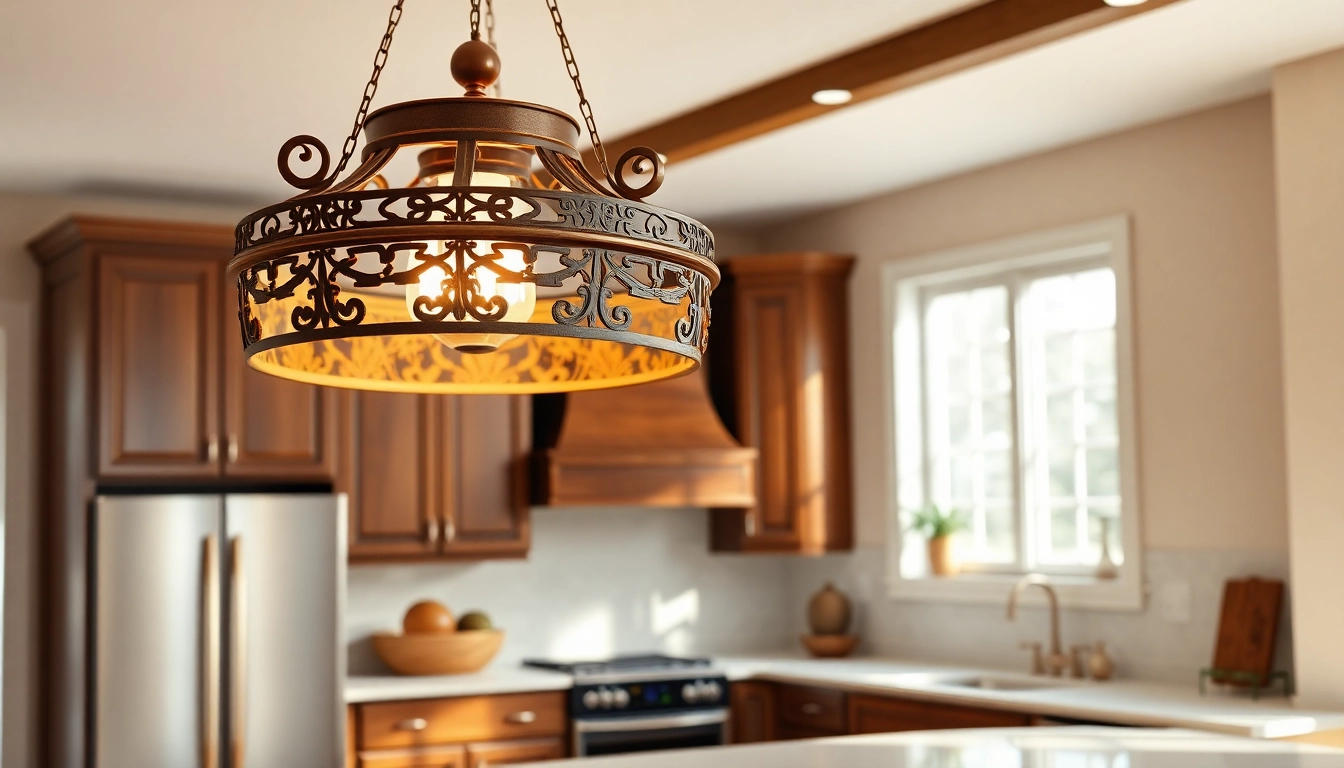
Rustic lighting embodies charm and warmth, often employing materials like wrought iron, wood, or distressed finishes. These fixtures evoke a sense of comfort and tradition, making them perfect for country or farmhouse-style kitchens. Pendant lights with Edison bulbs or lantern-style designs can enhance the rustic feel, providing a warm glow throughout the space. Incorporating these fixtures balances modern appliances with a cozy, inviting atmosphere.
Industrial Island Lighting Trends
Industrial-style island lighting celebrates raw materials and an unfinished aesthetic. Often characterized by exposed bulbs, metal shades, and chain suspensions, this style complements open-concept layouts with high ceilings. The use of muted colors and metallic finishes creates an edgy yet sophisticated vibe. Combining industrial lighting is excellent for modern kitchens that also seek an urban feel, offering the versatility to blend with various decor styles.
Choosing the Right Island Lighting for Your Space
Assessing Your Kitchen Layout
To choose the right island lighting, assessing the kitchen layout is crucial. The size of the island plays a significant role; larger islands may require multiple fixtures for uniform illumination, while smaller spaces can often be well-served with a single pendant. Consider the layout of your kitchen—an open concept may benefit from hanging lights that visually delineate space. Use a scale to verify that chosen fixtures do not overwhelm the area or feel lost against other design elements.
Matching Lighting with Decor
Seamless integration of lighting with the kitchen decor is vital for a harmonious design. Take cues from existing elements—cabinetry, countertops, and appliances should inform the choice of light fixtures. For instance, if your kitchen showcases modern decor, select sleek lighting that aligns with current trends. Conversely, a decorative light fixture should complement rustic cabinets or farmhouse sinks seamlessly. Create balance by coordinating finishes; mixing metals can work if done thoughtfully, introducing visual interest without causing conflict.
Considerations for Ceiling Height
Ceiling height significantly impacts the choice and installation of island lighting fixtures. Standard kitchen ceilings are typically around 8 feet high, requiring lights to be hung approximately 30 to 36 inches above the countertop. Higher ceilings allow for larger fixtures, creating a dramatic focal point while ensuring ample light coverage. Always remember that adequate clearance is necessary for those using the space; too low can create hazards, while too high may reduce effectiveness.
Installation of Island Lighting Fixtures
DIY Installation Tips
For those contemplating a DIY installation of island lighting fixtures, preparation is key. First, gather all necessary tools, including a drill, wire cutters, and a voltage tester. Turn off the power at the circuit breaker to prevent any electrical accidents. Carefully measure and mark the installation points on the ceiling, ensuring fixtures are evenly spaced. As you connect wires, matching color-coding (often black to black and white to white) will ensure safety and functionality. Finally, double-check connections before restoring power.
When to Hire a Professional
Although DIY installation can be satisfying, certain situations warrant professional assistance. If you are uncomfortable dealing with electrical wiring, it’s best to consult an electrician. Additionally, complex installations involving multiple fixtures or structural changes may require professional expertise. When in doubt, opting for experience will ensure proper installation and minimize safety risks, providing peace of mind as well.
Common Mistakes to Avoid
Several common mistakes can occur during the installation of island lighting fixtures. One frequent error is incorrect height placement, either too high or too low, resulting in poor lighting performance. Failing to consider the island’s size can lead to inadequate coverage. Equally important is the choice of bulb; using a perceptibly dim or unfit bulb can undermine the fixture’s purpose. Always ensure fixtures are installed securely to avoid accidents or damage to your lighting.
Maintaining Your Island Lighting
Cleaning and Care Tips
Keeping your island lighting fixtures clean is essential for maintaining their appearance and functionality. Regularly dust the fixtures using a soft cloth to prevent residue buildup. For glass or crystal elements, a mild soap solution can restore clarity. Avoid using abrasive cleaners that could scratch surfaces. Additionally, checking for loose bulbs and connections as part of routine maintenance will help extend the life of your fixtures and keep them performing beautifully.
Upgrading Bulbs for Efficiency
Upgrading to energy-efficient bulbs is a simple yet effective way to enhance your island lighting. Consider replacing incandescent bulbs with LEDs, known for longer lifespans and reduced energy consumption. When selecting bulbs, pay attention to lumens, which determine brightness, ensuring that your kitchen maintains its functional lighting quality. Additionally, consider dimmable options, allowing you to adjust illumination levels depending on the activity, be it cooking or entertaining.
Signs Your Lighting Needs Replacement
It’s essential to recognize when lighting fixtures may need replacement. Frequent bulb burnouts, flickering lights, or even discolored shades are signs that a fixture may be nearing the end of its life. Additionally, if you find that the lighting no longer meets your needs, an upgrade to more suitable or modern fixtures could enhance the kitchen experience. Assessing the functionality and aesthetic appeal of your lighting periodically ensures you continue to enjoy both safety and beauty in your kitchen.
Frequently Asked Questions
What height should island lights be installed at?
Typically, island lights should be installed 30 to 36 inches above the countertop to ensure optimal lighting without obstruction.
How many fixtures are needed for an island?
The number of fixtures required depends on the size of the island; generally, two to three fixtures work well for average-sized islands.
Can I use LED bulbs in any fixture?
Most fixtures are compatible with LED bulbs, but always check the manufacturer’s specifications to ensure compatibility and avoid issues.
What maintenance do island lights require?
Regular dusting, cleaning with mild soap, and periodic replacement of bulbs or fixtures are key maintenance tasks for island lighting.
Are pendants suitable for high ceilings?
Yes, pendants can complement high ceilings well; choose larger fixtures to maintain balance and ensure adequate illumination.