
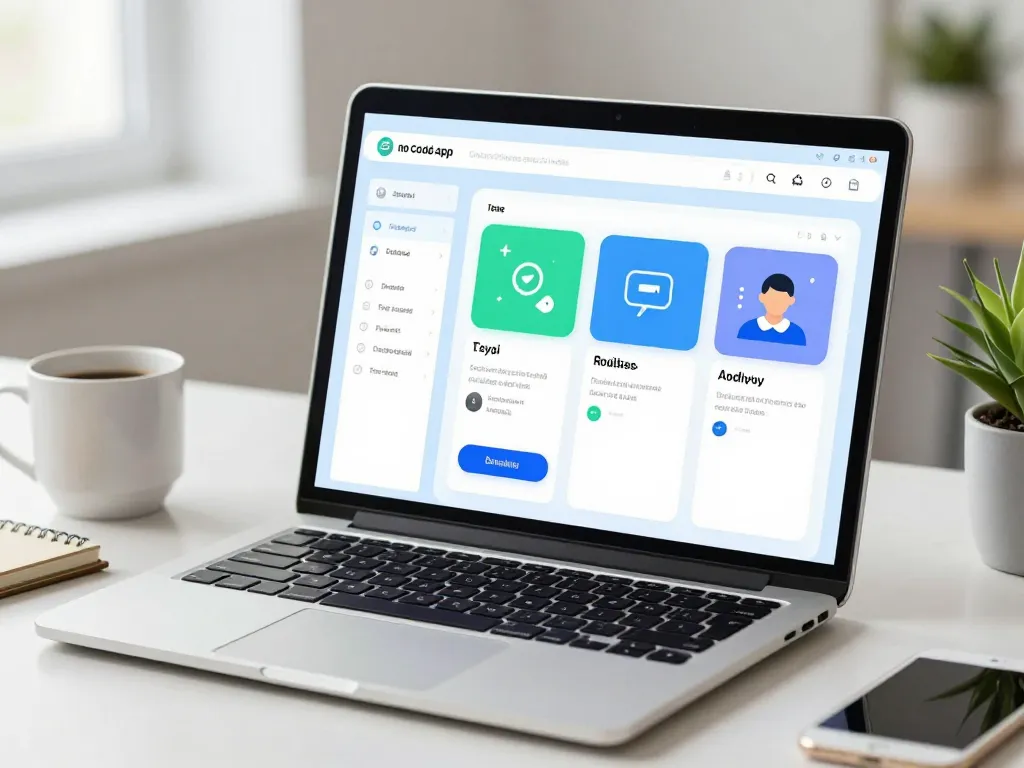
Understanding No Code App Builders
No code app builders are revolutionizing the way individuals and businesses develop applications. Eliminating the need for extensive coding knowledge, these platforms empower users from various backgrounds to create functional and visually appealing apps. Whether you’re a small business owner aiming to streamline operations or a creative entrepreneur looking to bring a unique idea to life, a no code app builder can serve as a powerful tool to make your vision a reality.
What is a No Code App Builder?
A no code app builder is a software development tool that allows users to create applications through a graphical user interface (GUI) without writing any code. These platforms provide drag-and-drop features and pre-built templates that simplify the app development process. They cater to users ranging from novices to experts, empowering them to build web or mobile applications efficiently.
Benefits of Using No Code App Builders
No code app builders offer several compelling advantages:
- Speed: Development time is significantly reduced since users can quickly drag and drop elements to build their apps.
- Cost-Effective: Businesses save on development costs by reducing the need for skilled programmers, making it easier for startups to allocate resources elsewhere.
- User-Friendly: These builders are designed for accessibility, allowing users with little to no technical expertise to create applications.
- Flexibility: Users can experiment and iterate their ideas without the fear of costly errors.
Common Misconceptions About No Code Development
Despite their growing popularity, misconceptions about no code app builders persist. Some believe that these platforms can’t create sophisticated applications, but in reality, many leading no code solutions are robust enough to handle complex use cases. Moreover, some think that no code development limits creativity; however, they actually offer extensive customization options that foster innovation.
Features to Look for in a No Code App Builder
Essential Tools and Integrations
When selecting a no code app builder, consider the essential tools and integrations that the platform offers. Look for:
- Custom Workflows: The ability to automate tasks and processes without coding.
- Pre-built Templates: A library of customizable templates that can expedite the development process.
- API Integrations: Support for connecting with other software and services to enhance app functionality.
User Experience and Interface Design
Intuitive interface design is crucial for efficiency in app development. A good no code app builder should provide:
- Drag-and-Drop Functionality: Easy manipulation of elements on the page.
- Preview Mode: Instant feedback on changes to see how the app looks and functions in real-time.
- Responsive Design: Ensure that apps look good on various devices, from desktops to mobile phones.
Scalability and Performance Metrics
As your app grows, it should be able to handle increased user loads and data. Opt for a no code app builder that supports:
- Scalable Hosting Options: Reliable hosting solutions that can grow with your app’s needs.
- Analytics Tools: Integrated metrics to track user engagement and app performance.
Leading No Code App Builders in 2026
Comparative Analysis of Popular Platforms
In 2026, several no code app builders stand out in terms of features, user-friendliness, and scalability. Below is a comparative analysis of some of the top platforms:
- Adalo: Known for its balance between design freedom and powerful functionalities, Adalo is user-friendly and suitable for a variety of applications.
- Thunkable: A robust platform that helps users create mobile apps without coding, emphasizing a strong community support structure.
- Microsoft Power Apps: Ideal for organizations looking to integrate apps with their existing Microsoft ecosystem, offering strong enterprise-level features.
Unique Features of Top No Code Solutions
Each platform offers unique features that cater to different user needs:
- Glide: Allows users to create apps directly from Google Sheets, making it an excellent choice for data-driven applications.
- Bubble: Provides a visual editor and advanced capabilities for creating sophisticated web applications without code.
- Jotform: In addition to form-building, its app builder lets users create customized apps that integrate seamlessly with its forms.
User Reviews and Case Studies
User reviews and real-world case studies reveal how organizations have leveraged no code app builders. For instance, startups have shown how Adalo enabled them to bring their ideas to fruition rapidly, while larger corporations have utilized Microsoft Power Apps to automate workflows and improve productivity.
Challenges in No Code App Development
Addressing User Resistance and Training Needs
While no code platforms are designed for accessibility, some users may resist adopting these tools due to unfamiliarity with technology. To overcome this, businesses should invest in training and offer resources that demonstrate the value of no code development.
Overcoming Limitations of No Code Platforms
Despite their benefits, no code platforms have limitations, particularly concerning customization and scalability. Users must understand their needs and possibly combine no code tools with traditional development methods for complex projects.
Ensuring Security and Compliance in App Creation
As companies develop apps that handle sensitive data, ensuring security and compliance with regulations like GDPR and HIPAA becomes critical. Selecting platforms that prioritize security features, such as user authentication and data encryption, is essential for maintaining trust and compliance.
The Future of No Code Development
Trends Shaping No Code Platforms in 2026
As we look towards 2026, several trends are influencing the evolution of no code app builders:
- Increased Automation: Expect to see more features that automate repetitive tasks, improving efficiency.
- AI Integration: Many platforms are incorporating artificial intelligence capabilities, enabling users to create smarter applications.
- Greater Customization: Trends indicate a push towards allowing greater customization options while maintaining ease of use.
Emerging Technologies and Their Impact
Emerging technologies such as artificial intelligence, machine learning, and the Internet of Things (IoT) will significantly reshape no code development. These technologies can introduce new application capabilities and features that were previously only available through custom coding.
Preparing for the No Code Revolution
To prepare for the future of app development, organizations should embrace no code methodologies, invest in relevant training programs, and explore partnerships with no code platform vendors to develop tailored solutions that meet their specific needs.