
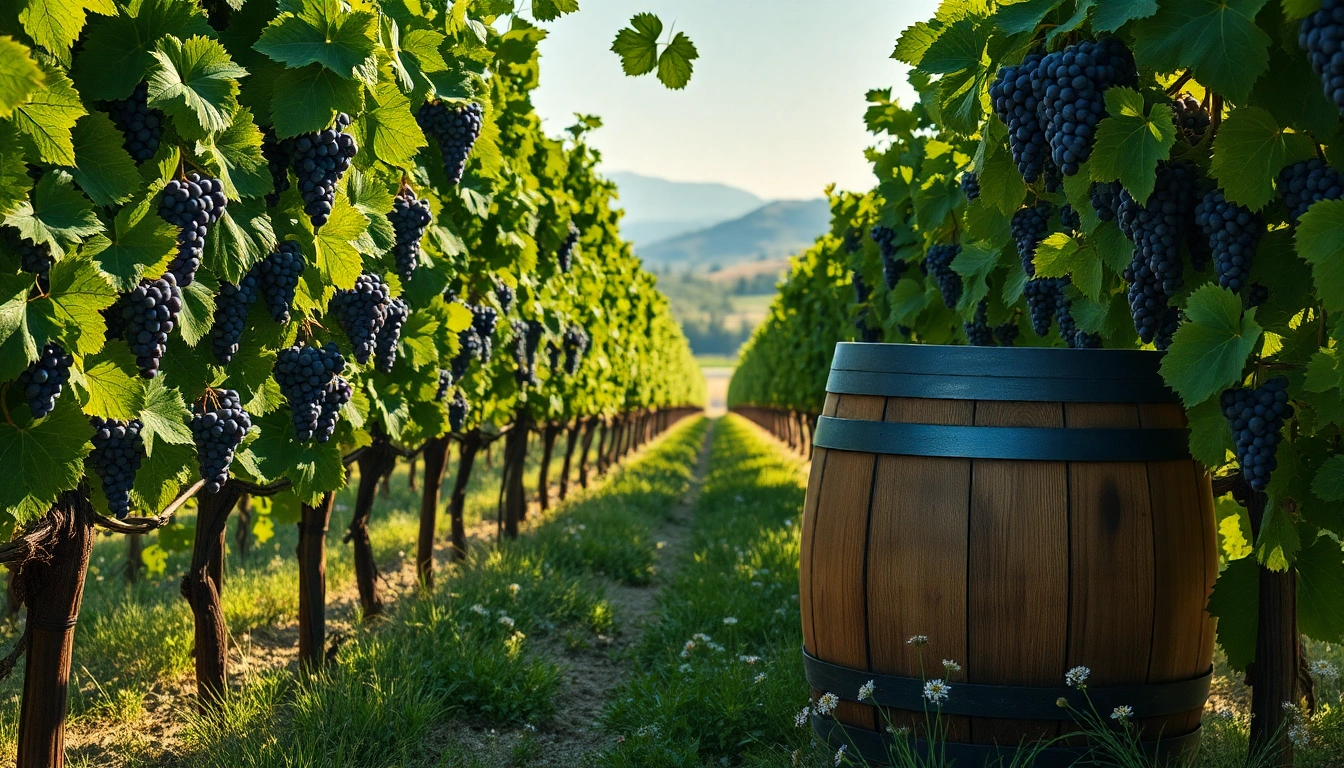
Introduction to Clarksburg Wines
Located in the heart of California’s Sacramento Valley, Clarksburg is a lesser-known gem in the world of viticulture. Many enthusiasts are beginning to discover the Clarksburg wines that have emerged from this unique terroir. With a rich history, diverse range of grapes, and a growing reputation, Clarksburg offers a distinctive wine-drinking experience worthy of exploration. This article delves into the many facets of Clarksburg wines, from their history and characteristics to the finest varieties produced in the region.
History and Origins of Clarksburg Wines
The history of Clarksburg as a viticultural region dates back to the mid-19th century when the first settlers recognized the region’s potential for grape cultivation. Initially, the area was primarily agricultural, with vineyards being an integral yet minor component of farming. However, as time progressed, European settlers brought with them their winemaking traditions, giving birth to a burgeoning wine culture.
By the early 20th century, Clarksburg was making strides with wine production, but the Prohibition era dealt a heavy blow to local vineyards. It wasn’t until the late 20th century that the region began to regain its prominence, particularly with the establishment of new wineries and a focus on quality over quantity. Today, Clarksburg is recognized for producing both premium and value wines, attracting attention from critics and connoisseurs alike.
Unique Characteristics of Clarksburg Wines
What sets Clarksburg wines apart is their unique blend of climate, soil, and grape varietals. Situated near the Sierra Nevada foothills, the region boasts diverse microclimates influenced by its proximity to the Sacramento River. This results in a long growing season with warm days and cool evenings, ideal for ripening grapes while preserving their natural acidity.
The soil composition in Clarksburg is also significant. Composed mainly of sandy loam, the better-drained dirt fosters healthy grapevines, allowing them to express unique terroir characteristics. Consequently, Clarksburg wines often present fruit-forward profiles combined with complexity, making them a delight for wine lovers.
Local Climate Impacting Clarksburg Wines
Climate plays a pivotal role in winemaking, and Clarksburg is no exception. The Mediterranean-like climate features warm, dry summers and mild, wet winters, which create ideal conditions for grape cultivation. The temperatures in the growing season can soar, yet the cooling influence of the river at night helps maintain optimal acidity, an essential component for producing balanced wines.
Moreover, the fog that rolls in from the coast during certain times of the year creates a cooler and more stable environment, beneficial for varietals that flourish in such conditions. This climate diversity leads to the cultivation of various grapes, each suited to specific microclimates within the Clarksburg AVA (American Viticultural Area).
Types of Wines Produced in Clarksburg
Clarksburg is home to a wide variety of wines, encompassing red, white, and rosé options. Thanks to its diverse climate and soil, local wineries can produce an array of styles that cater to different palates and preferences.
Red Wines of Clarksburg
The red wines produced in Clarksburg have garnered accolades for their rich flavors and smooth finishes. Key grape varieties include Cabernet Sauvignon, Merlot, and Zinfandel, each offering its unique characteristics.
- Cabernet Sauvignon: Known for its bold flavor profile, Clarksburg’s Cabernet displays notes of dark fruits, tobacco, and subtle spice.
- Merlot: This varietal is often softer and fruitier, featuring flavors of plum and cherry, appealing to those who prefer a gentler palate.
- Zinfandel: Unique to California, Zinfandel from Clarksburg tends to be jammy with hints of pepper and earthy undertones, ideal for barbecued meats.
White Wines of Clarksburg
Clarksburg is equally recognized for its exceptional white wine production. The key grape varieties include Chardonnay, Sauvignon Blanc, and Pinot Grigio, each showcasing remarkable qualities influenced by the region’s climatic conditions.
- Chardonnay: Often crafted in both oaked and unoaked styles, Clarksburg Chardonnay embodies vibrant citrus fruits, green apple, and a creamy texture.
- Sauvignon Blanc: Crisp and refreshing, this varietal typically offers grapefruit flavors and a lively acidity, ideal for summer sipping.
- Pinot Grigio: This light and fruity wine is characterized by pear and melon notes, making it an excellent choice for pairing with lighter dishes.
Rosé Wines of Clarksburg
In recent years, rosé wines have gained popularity, and Clarksburg is no stranger to this trend. Typically crafted from red varietals, rosé from this region embodies a beautiful balance of fruit and acidity.
The most common grapes used in Clarksburg rosé include Grenache and Syrah. These wines exhibit vibrant flavors of strawberry and watermelon, making them refreshing companions for outdoor gatherings or casual summer meals.
Tasting and Pairing Clarksburg Wines
Understanding how to taste and pair Clarksburg wines enhances the overall experience. Knowledgeable enthusiasts and novices alike can maximize their enjoyment with a few effective strategies.
How to Taste Clarksburg Wines Effectively
Tasting wines from Clarksburg involves several steps to fully appreciate their nuances. First, examine the wine’s color and clarity, which can provide insights into its age and grape variety. Swirl the glass gently to aerate the wine, releasing its aromatic compounds. Bring the glass to your nose and inhale deeply, noting the aromas that first hit your senses. Taste the wine and pay attention to its sweetness, acidity, and tannin structure.
Consider keeping tasting notes, as they help you remember what you enjoyed or didn’t about each wine. Over time, you’ll develop a more refined palate and understanding of your preferences.
Perfect Food Pairings with Clarksburg Wines
Pairing Clarksburg wines with food can elevate any meal. Each varietal complements specific dishes, leading to a harmonious dining experience.
- Cabernet Sauvignon: Pairs wonderfully with grilled steak or hearty pasta dishes.
- Chardonnay: Ideal with roasted chicken or creamy seafood dishes.
- Sauvignon Blanc: Best matched with fresh salads or light fish preparations.
- Zinfandel: Excellent for BBQ ribs or spicy dishes.
- Rosé: Complements summer salads, bruschetta, or grilled shrimp.
Hosting a Clarksburg Wine Tasting Event
Hosting a wine tasting can be an enjoyable and educational experience for you and your guests. Begin by selecting a range of wines from Clarksburg, ensuring a mix of red, white, and rosé to showcase the diversity of styles.
Create a comfortable setting, perhaps with cheese and charcuterie boards to accompany the wines. Provide each guest with a tasting sheet to note impressions and favorites. Engage in discussions about the terroir, grape varieties, and personal preferences to enrich the experience.
Exploring Clarksburg’s Wine Culture
The culture surrounding Clarksburg wines is vibrant and continuously evolving. With a growing number of wineries and events, visitors have numerous opportunities to immerse themselves in the local wine scene.
Wine Festivals Celebrating Clarksburg Wines
Wine festivals are a highlight for any wine enthusiast, and Clarksburg hosts several events throughout the year. These festivals often feature tastings from local wineries, food pairings, and education on viticulture and winemaking.
Attendees can meet winemakers, learn about their processes, and enjoy a festive atmosphere filled with music and community spirit. Such events provide an excellent opportunity to discover new favorite wines and deepen appreciation for Clarksburg’s unique offering.
Meeting Local Winemakers in Clarksburg
One of the most enriching experiences for wine lovers is meeting the winemakers behind their favorite bottles. Clarksburg offers numerous opportunities for visits and tastings at local wineries, where guests can tour vineyards, learn about grape-growing practices, and understand the winemaking process firsthand.
This direct connection to the winemakers allows for deeper insights into the philosophy and art of crafting exceptional wines. It also reinforces the sense of community, as many winemakers are passionate advocates for the Clarksburg region.
Wine Tourism in Clarksburg
Wine tourism in Clarksburg is on the rise, as visitors are drawn to the charm of the area and the quality of the wines produced. Numerous wineries welcome visitors for tastings and tours, providing a welcoming atmosphere that highlights the region’s commitment to excellence.
Additionally, local lodging and dining options allow guests to immerse themselves in the full wine country experience. Exploring the scenic landscapes and connecting with the community adds to the allure, making Clarksburg a perfect destination for wine lovers.
Frequently Asked Questions About Clarksburg Wines
What are the most popular grape varieties in Clarksburg?
The most popular grape varieties include Chardonnay, Cabernet Sauvignon, Merlot, Zinfandel, and Sauvignon Blanc, each offering distinct profiles reflective of the region’s terroir.
How do I store Clarksburg wines properly?
Store Clarksburg wines in a cool, dark place, ideally at a stable temperature between 50-65°F (10-18°C), ensuring bottles are positioned horizontally to keep corks moist.
What makes Clarksburg wines unique?
Clarksburg wines are unique due to their diverse microclimates, sandy loam soils, and a balanced approach to growing and winemaking, leading to expressive flavors and high quality.
Can I visit vineyards in Clarksburg?
Yes, many vineyards in Clarksburg welcome visitors for tastings and tours, offering a chance to learn about their wine production and enjoy the beautiful scenery.
What food pairs best with Clarksburg wines?
Pairings include grilled meats for red wines, seafood or poultry for whites, and fresh salads for rosé, enhancing the overall tasting experience.


