Understanding Renewable Energy Solutions
What are Renewable Energy Solutions?
Renewable energy solutions refer to sources of energy that are replenished naturally within a human lifespan. These solutions include solar, wind, hydroelectric, geothermal, and biomass energy. Unlike fossil fuels, which are finite and contribute significantly to environmental degradation, renewable energy offers a sustainable alternative that minimizes pollution and promotes energy independence. By harnessing renewable resources, individuals and communities can greatly reduce their carbon footprint and transition toward a more sustainable future. In recent years, the focus on renewable energy solutions has surged due to increased climate awareness and technological advancements that make these energy sources more accessible and affordable.
Importance in Sustainable Development
The role of renewable energy in sustainable development is paramount. As the global population continues to grow and urban areas expand, the demand for energy rises. Traditional energy sources, predominantly fossil fuels, not only contribute to climate change but also lead to resource depletion. Renewable energy solutions foster a balanced ecosystem by providing cleaner alternatives. They support the United Nations’ Sustainable Development Goals (SDGs) by promoting affordable and clean energy, encouraging economic growth, and improving health outcomes through reduced air pollution. Transitioning to renewable energies can also create jobs, stimulate innovation, and drive investments in local communities, ensuring a sustainable economic future.
Types of Renewable Energy Sources
1. Solar Energy: Harnessed from the sun using photovoltaic (PV) panels or solar thermal systems, solar energy is one of the most popular forms of renewable energy. It can be used for electricity generation, heating, and even powering vehicles.
2. Wind Energy: Captured by wind turbines, wind energy converts the kinetic energy of wind into electricity. Wind farms, both onshore and offshore, are becoming key players in reducing greenhouse gas emissions.
3. Hydropower: Utilizing the flow of water, hydropower generates electricity using dams or run-of-the-river systems. It is one of the oldest methods of generating energy and remains vital for many countries’ energy grids.
4. Geothermal Energy: This energy arises from the Earth’s internal heat and is used for electricity generation and heating. Geothermal power plants capitalize on the steam and hot water from underground reservoirs.
5. Biomass Energy: Organic materials such as plant and animal waste are transformed into energy through combustion or biochemical processes. Biomass can reduce landfill waste while creating energy.
Solar Panel Installation Basics
Choosing the Right Solar Panel System
Choosing the ideal solar panel system is crucial for maximizing energy efficiency and cost-effectiveness. Factors to consider include:
- Energy Needs: Calculate your energy usage to determine the power requirements that your solar system must meet.
- Space Availability: Assess the area available for installation, as it influences the number and type of solar panels required.
- Type of Panels: Consider monocrystalline, polycrystalline, or thin-film solar panels based on efficiency, space, and budget.
- Inverter Options: Evaluate different inverter technologies, such as string inverters, microinverters, or power optimizers, which can enhance overall system performance.
- Warranty and Certification: Look for reputable manufacturers that provide warranties and ensure that panels meet industry standards.
Step-by-Step Installation Process
Installing solar panels requires a systematic approach:
- Site Assessment: A professional should evaluate your property to optimize solar panel placement while ensuring compliance with local regulations.
- Design and Permitting: Based on the assessment, a system design is created, followed by applying for necessary building permits and approvals from local authorities.
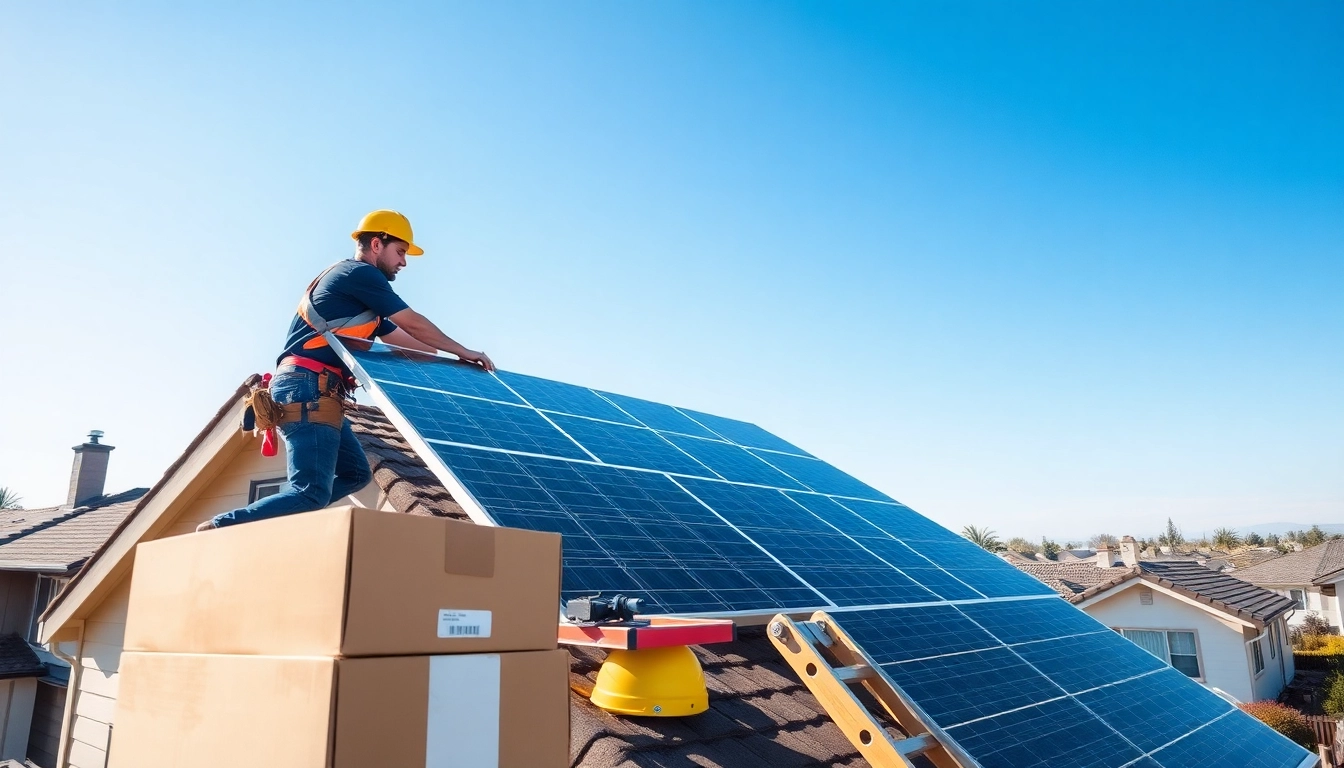
- Installation Prep: Gather materials, including solar panels, mounting hardware, inverters, and electrical systems required for the installation.
- Mounting Panels: Secure the mounting system to the roof or ground, ensuring stability and optimal tilt for sunlight exposure.
- Electrical Wiring: Connect the solar panels to the inverter and electrical system, ensuring safety and compliance with local codes.
- System Testing: Once installed, the system should be tested to ensure it operates correctly before going live.
- Education and Monitoring: Educate homeowners on system operation and install monitoring systems to track performance.
Common Installation Challenges
Installing solar panels often presents challenges, including:
- Weather Conditions: Adverse weather can delay installation schedules. Planning around seasonal variability is essential.
- Structural Limitations: Not all roofs can support solar panels. Conducting a structural assessment beforehand can mitigate future risks.
- Permitting Delays: Navigating local regulations can be cumbersome. Engaging with local authorities early in the process can ease this burden.
- Budget Overruns: Unexpected costs are common. Having a contingency budget ensures necessary financial flexibility.
Benefits of Renewable Energy Solutions
Cost Savings Over Time
Investing in renewable energy solutions, particularly solar panels, yields significant long-term cost savings. Although the initial investment may be substantial, various financial incentives, including tax credits and rebates, help offset these costs. Additionally, once installed, solar systems typically have lower operating and maintenance costs compared to traditional energy sources. Homeowners can significantly reduce their electricity bills, and in some cases, earn credits for excess energy produced, known as net metering. Over time, these savings offset the initial expenditure, leading to a financially advantageous investment.
Environmental Impact and Contributions
The environmental benefits of renewable energy solutions extend far beyond mere energy generation. By reducing reliance on fossil fuels, renewable energy sources lower greenhouse gas emissions, combat air pollution, and reduce water usage. For example, solar energy generation uses minimal water compared to traditional power plants, mitigating water scarcity issues. Furthermore, contributing to declining fossil fuel demand can alleviate land degradation and habitat destruction caused by extraction processes. Overall, utilizing renewable energy supports the health of our planet and fosters a sustainable ecosystem.
Increasing Property Value
Solar panel installation positively influences property value. Homes equipped with solar energy systems tend to sell at higher rates due to the appeal of lower energy costs and sustainability features. Recent studies indicate that homes with solar panels sell 20% faster and at a premium compared to those without. This trend reflects a growing public interest in sustainable living and energy independence, making renewable energy solutions not just an environmental investment but a smart financial decision.
Maintaining Your Solar Energy System
Routine Maintenance Tips
To ensure optimal performance, regular maintenance of solar energy systems is critical. Here are some essential tips:
- Routine Inspections: Schedule at least annual inspections to check for debris accumulation, faulty components, or physical damage.
- Cleaning: Regularly clean the solar panels with water or, if necessary, rely on professional cleaning services to maintain efficiency.
- Monitor Performance: Utilize monitoring systems to track energy production and identify performance dips that may require attention.
Identifying Performance Issues
Recognizing performance issues early can prevent costly repairs. Look out for signs such as:
- Reduced energy production compared to expected levels.
- Visible dirt, shading, or debris covering the panels.
- Warnings or errors from monitoring systems.
- Physical signs of wear, such as cracks or discoloration on panel surfaces.
When to Call a Professional
Consulting a professional is vital when:
- Major performance issues arise that cannot be resolved through standard maintenance.
- Electrical components require servicing or replacement to ensure safety and compliance.
- System modifications or upgrades are planned, such as adding panels or changing inverter technology.
Future Trends in Renewable Energy Solutions
Technological Advances in Solar Energy
The future of renewable energy solutions hinges on ongoing technological advancements that enhance system efficiency and accessibility. Innovations include:
- Improved Solar Panel Efficiency: Advancements in materials and designs are leading to solar panels that convert sunlight into energy at higher rates.
- Energy Storage Solutions: Advances in battery technology are enabling more efficient energy storage methods, allowing homeowners to use solar energy even during the night or cloudy days.
- Smart Grid Technology: Integration of AI and machine learning into energy systems allows for optimized energy distribution and consumption tracking.
Government Policies and Incentives
Governments worldwide are increasingly promoting renewable energy solutions through favorable policies. These include grants, subsidies, and tax credits that encourage installation and research. Legislative frameworks focused on reducing emissions are driving innovation and investment in the renewable sector. As government initiatives and climate commitments evolve, the pace of adoption and investment in renewable resources will likely accelerate.
Public Perception and Adoption Rates
The perception of solar energy and other renewable sources is becoming more positive as awareness of climate change and energy independence grows. Public acceptance plays a critical role in the speed of adoption, leading to grassroots movements and community initiatives aimed at promoting renewable energy solutions. As more individuals share their experiences and advocacy, the knowledge and understanding of the benefits of renewable energies will continue to rise, helping to normalize their use.
Frequently Asked Questions
1. What are the main benefits of solar panel installation?
Solar panel installation offers substantial savings on energy bills, reduces carbon emissions, increases property value, and provides energy independence while benefiting the environment.
2. How long does a solar panel system last?
Most solar panel systems have a lifespan of 25–30 years, with warranties often covering performance and material for up to 25 years.
3. Do I need planning permission for solar panels?
In most cases, solar panels do not require planning permission, but it’s essential to check local regulations and guidelines before installation.
4. Can solar panels work in cloudy weather?
Yes, solar panels can still generate electricity in cloudy weather, though their efficiency decreases. They harness indirect sunlight effectively for energy production.
5. What maintenance is needed for solar panels?
Regular inspections, cleaning, and monitoring of performance are crucial for maintaining solar panels and ensuring they function optimally.