
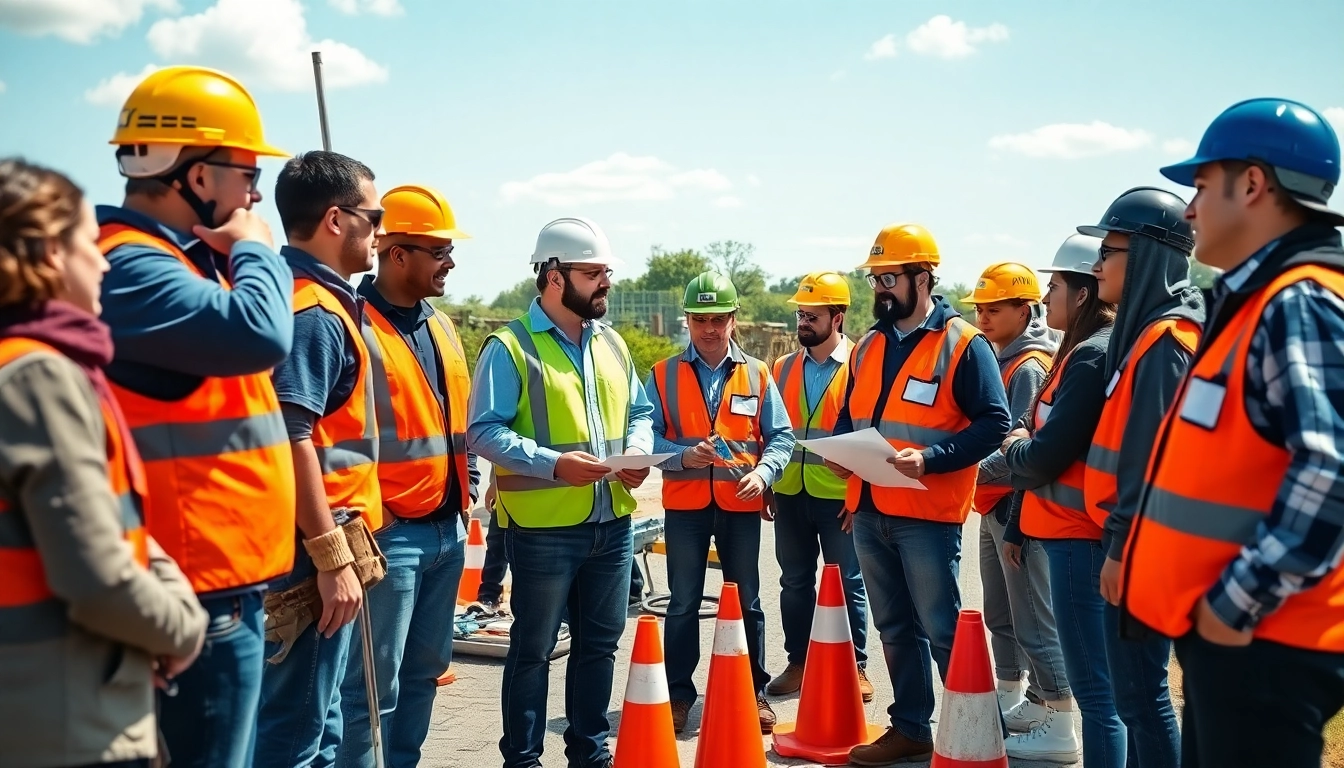
Understanding Construction Safety Training
Construction work can be perilous, with various hazards present at every turn. This makes construction safety training imperative for protecting the workforce and ensuring compliance with regulations. A well-structured construction safety training program can minimize risks associated with the job, foster a culture of safety, and enhance the overall productivity of construction projects.
Importance of Construction Safety Training
Safety training is not just a regulatory requirement; it plays a critical role in safeguarding lives and creating a safe working environment. Effective training helps reduce workplace incidents and injuries, thereby lowering downtime and costs associated with accidents. In addition to compliance, investing in safety training improves worker morale and productivity, paving the way for a sustainable workforce that feels secure in their work environment.
Key Components of an Effective Program
An effective construction safety training program encompasses several critical components:
- Assessment of Risks: Identifying potential hazards based on the specific types of work being performed.
- Training Content: Developing materials that incorporate best practices, proper use of equipment, and emergency procedures.
- Delivery Methods: Utilizing various training methods such as on-site instruction, online modules, and hands-on demonstrations to cater to different learning preferences.
- Instructors: Engaging knowledgeable trainers who can relay information accurately and effectively.
- Documentation: Maintaining clear records of training sessions, attendance, and competency evaluations.
Legal Requirements and Standards
Construction safety training is subject to various legal requirements and standards. These regulations may vary by region, but federal guidelines, such as those from OSHA (Occupational Safety and Health Administration), set foundational standards that must be adhered to. Understanding and implementing these legal obligations is vital for organizations to avoid penalties and ensure the safety of their workers.
Types of Construction Safety Training
On-Site Training Techniques
On-site training techniques are invaluable for construction safety, as they allow workers to engage in a familiar environment. Techniques include:
- Toolbox Talks: Brief, informal safety meetings conducted at the worksite to discuss specific hazards and safety measures.
- Demonstrations: Real-time demonstrations of safety equipment and procedures, allowing workers to practice under professional guidance.
- Peer Reviews: Encouraging co-workers to observe and provide safety feedback to one another.
Online Safety Training Options
With advances in technology, online safety training programs have become increasingly accessible. These options enable flexibility in learning and can include:
- Webinars: Live sessions led by safety experts covering various safety topics.
- Video Tutorials: Recorded lessons demonstrating safe work practices and use of personal protective equipment.
- Interactive Modules: Engaging learning platforms that test knowledge through quizzes and scenario-based training.
Hands-On Demonstrations for Practical Skills
Hands-on training is essential for ingraining safety practices in workers. Techniques may encompass:
- Simulations: Creating realistic scenarios where workers can practice responding to emergencies, such as falls or tool accidents.
- Equipment Handling: Training users in safe operation procedures for machinery and tools.
- Real-World Scenarios: Using historical incidents and case studies to demonstrate the importance of safety measures.
Best Practices for Implementing Construction Safety Training
Engaging Employees in Safety Programs
Employee engagement is crucial for successful safety training. To enhance involvement:
- Two-Way Communication: Foster open dialogue where employees can share their safety concerns and suggestions.
- Incentives: Develop reward programs for teams that demonstrate excellent safety practices.
- Leadership Involvement: Show commitment from management to emphasize the importance of safety culture.
Continuous Improvement and Feedback Loops
Construction safety training should be a dynamic process. Regular feedback helps refine training programs. Best practices include:
- Surveys and Assessments: Gathering feedback from employees about training effectiveness and areas for improvement.
- Incident Analysis: Reviewing safety incidents to identify training gaps and updating programs accordingly.
- Frequent Review: Schedule periodic audits to ensure training content remains relevant to current safety practices and regulations.
Monitoring and Assessing Training Effectiveness
To ensure the training is effective, implement assessment strategies, such as:
- Pre- and Post-Training Tests: Evaluate knowledge gained through assessments before and after training sessions.
- Observation: Monitor on-site behavior to ensure learned safety practices are being followed.
- Incident Data Analysis: Use statistics on accidents and injuries to measure the impact of training on reducing workplace hazards.
Challenges in Construction Safety Training
Overcoming Resistance to Training
Resistance to safety training can be a significant barrier. To combat this:
- Address Concerns: Openly discuss any anxieties or misconceptions employees may have regarding safety training.
- Involve Workers: Include employees in the planning of training to ensure it meets their needs and preferences.
- Highlight Benefits: Clearly communicate how safety training contributes to their well-being and the overall success of the project.
Addressing Language Barriers
Language differences can hinder effective communication during training. Strategies for overcoming this challenge include:
- Multilingual Training Materials: Provide materials in multiple languages to ensure understanding.
- Use of Visual Aids: Implementing diagrams, videos, and images to convey safety concepts without relying solely on language.
- Bilingual Trainers: Employ trainers fluent in the primary languages of the workforce to facilitate sessions.
Dealing with Varying Skill Levels
A diverse workforce often presents varying skill levels. To cater to all employees:
- Tailored Training: Adjust training programs based on the skills and experiences of different groups.
- Mentorship Programs: Pair less experienced workers with seasoned veterans for hands-on learning.
- Ongoing Education: Offer refresher courses and advanced training to continuously develop skills.
Evaluating the Success of Construction Safety Training
Metrics for Measuring Success
Success can be quantitatively measured through various metrics, including:
- Reduction in Incident Rates: A decrease in the number of accidents or near-misses post-training indicates effectiveness.
- Training Completion Rates: The percentage of employees completing the required training modules.
- Employee Satisfaction Surveys: Positive feedback from workers regarding the training experience can signal its success.
Importance of Follow-Up Training
Follow-up training reinforces initial learning and ensures knowledge remains fresh. Consider:
- Regular Refresher Courses: Schedule periodic training sessions to keep safety practices current.
- On-the-Job Observations: Conduct ongoing evaluations of workers to ensure safety practices are upheld.
- Continuous Learning Opportunities: Encourage employees to pursue additional safety certifications and courses.
Case Studies of Successful Training Programs
Examining successful training programs helps identify effective strategies. Notable elements in successful case studies often include:
- Innovative Training Techniques: Utilizing cutting-edge methods that resonate with employees.
- Management Commitment: Active involvement from leadership reinforces the importance of safety.
- Metrics-Driven Approaches: Developing and tracking KPIs demonstrate the tangible impact of training initiatives.
Frequently Asked Questions
What is construction safety training?
Construction safety training is a program designed to educate workers about safety protocols, equipment use, hazard identification, and accident prevention in the construction industry.
Why is safety training important in construction?
Safety training is essential in construction to prevent injuries and accidents, comply with regulations, and foster a culture of safety among workers.
What types of training are available for construction safety?
Types of training include on-site training, online courses, hands-on demonstrations, and seminars to address various learning preferences and requirements.
How can I assess the effectiveness of safety training?
You can assess effectiveness through metrics such as incident rate reduction, training completion rates, and employee satisfaction surveys.
What are common challenges in construction safety training?
Common challenges include resistance to training, language barriers, and varying skill levels among workers, which can impact training efficacy.