
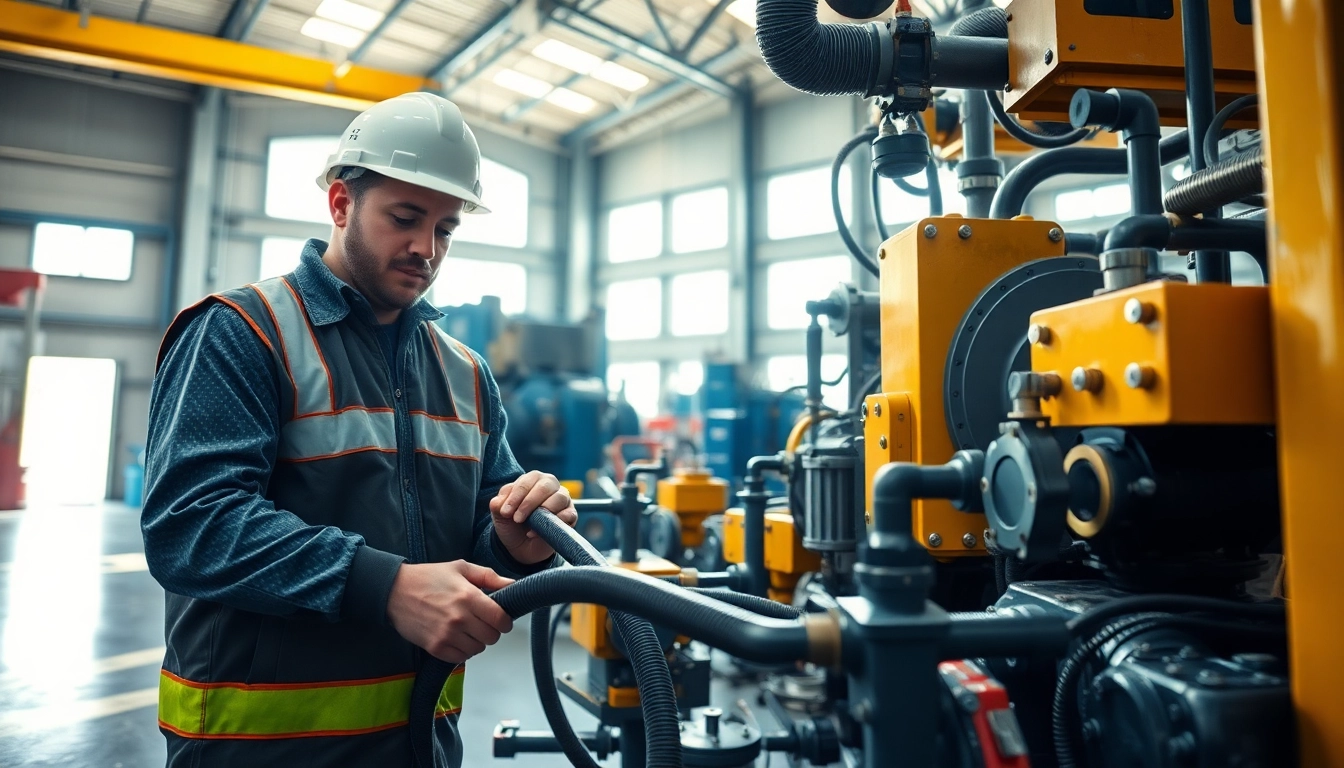
Understanding Mobile Hydraulic Services
What Are Mobile Hydraulic Services?
Mobile hydraulic services encompass a range of services designed to maintain and repair hydraulic systems on-site, thereby improving efficiency and minimizing downtime. This convenience allows businesses to receive essential repairs and services directly at their operational locations, who typically operates within various sectors such as construction, manufacturing, agriculture, and transportation. By utilizing specialized equipment and skilled technicians, mobile hydraulic services streamline the process, reducing the need for transporting machinery to a repair shop. Clients benefit from quicker turnaround times and the ability to remedy issues before they escalate into costly problems.
Benefits of Using Mobile Hydraulic Services
The advantages of leveraging mobile hydraulic services are extensive:
- Convenience: Services are performed at the site of operations, saving time and transportation costs.
- Reduced Downtime: Quick response times can lead to faster repairs, allowing equipment to get back to work promptly.
- Expertise: Technicians are usually well-trained and can handle a variety of hydraulic issues, providing reliable solutions.
- Cost-Effective: Eliminating shipping and handling, along with vehicle downtime, typically leads to significant savings.
- Customized Service: With the full context of the work environment, services can be tailored to specific operational needs.
Common Applications in Industry
Mobile hydraulic services find applications across numerous industries, each with unique needs that highlight the versatility of these services:
- Construction: Hydraulic excavators and lifts require frequent maintenance and repair, which mobile services can provide on-site without delay.
- Agriculture: Tractors and harvesters often experience hydraulic failures; prompt services keep agricultural operations running smoothly.
- Mining: Heavy machinery used in mining often requires immediate hydraulic support due to intense operational demands.
- Manufacturing: Factories utilizing hydraulic presses and elevators rely on mobile services to maintain production line efficiency.
- Transportation: Hydraulic systems on freight vehicles require regular servicing, which can be achieved through mobile service units.
Choosing the Right Mobile Hydraulic Services
Evaluating Service Providers
Selecting a reliable mobile hydraulic service provider is crucial for maintaining operational efficiency. Start by assessing providers based on their reputation, experience in the field, and range of services offered. Client testimonials and case studies can provide impressive insights into their reliability and service quality. Ensure that the provider’s technicians are certified and possess the relevant skills necessary for effective troubleshooting and repairs. A good provider should also offer transparent communication and support options for ongoing maintenance and questions.
Key Features to Look For
When evaluating potential mobile hydraulic services, consider these critical features:
- Comprehensive Service Offerings: Look for providers that offer both maintenance and emergency repair services.
- Availability: Services should be available 24/7, depending on the demands of your industry.
- Technician Expertise: Ensure that technicians have undergone training specific to mobile hydraulic systems.
- Equipment: Providers should have well-equipped service vehicles carrying essential tools and parts to facilitate on-site repairs.
- Customer Support: Access to knowledgeable customer support representatives is essential for addressing inquiries and service requests promptly.
Cost Considerations
Understanding the costs associated with mobile hydraulic services is vital for budget planning. Factors influencing pricing include the complexity of the repair, the distance traveled by service technicians, and the urgency of the service request. Obtain quotes from multiple providers to compare pricing structures and assess value for money. Keep in mind that while the lowest price might be appealing, it could result in subpar service. Prioritize quality and reliability alongside cost to ensure long-term performance of your hydraulic systems.
Best Practices in Mobile Hydraulic Services
Regular Maintenance Tips
Commitment to regular maintenance ensures performance longevity and efficiency. Here are essential maintenance tips:
- Routine Inspections: Regularly inspect hydraulic fluid levels, hoses, and connections for leaks or wear.
- Fluid Changes: Schedule fluid changes based on manufacturer recommendations to avoid breakdowns.
- Temperature Monitoring: Ensure that hydraulic systems operate within the recommended temperature range for optimal performance.
- Seal Checks: Replace worn seals promptly to minimize leakage risks and maintain system pressure.
- Filter Changes: Regularly change filters to prevent contaminants from affecting the hydraulic system.
Operational Safety Guidelines
Following operational safety guidelines is paramount to prevent accidents during hydraulic operations. Key safety practices include:
- Training: Ensure all personnel working with hydraulic systems are adequately trained in safe operation and emergency procedures.
- Personal Protective Equipment (PPE): Mandate the use of appropriate PPE such as gloves, helmets, and goggles when operating hydraulic machinery.
- Emergency Procedures: Establish clear emergency procedures and conduct regular drills to prepare for potential hydraulic failures.
- Proper Signage: Use clear signage around hydraulic machinery operations to alert personnel of potential hazards.
- Lockout/Tagout Technique: Implement a lockout/tagout procedure during maintenance to prevent accidental operation while repairs are being conducted.
How to Ensure Optimal Performance
Ensuring that hydraulic systems operate at peak efficiency involves various measures:
- Regular Performance Testing: Conduct performance tests to identify inconsistencies or degradation in hydraulic functions.
- System Upgrades: Consider technology upgrades when necessary to improve efficiency and reduce operational costs.
- Training and Education: Keep personnel updated on best practices for operating, maintaining, and troubleshooting hydraulic systems.
- Documentation: Keep accurate documentation of maintenance history to track performance and identify recurrent issues.
- Collaboration with Experts: Partner with mobile hydraulic service providers for ongoing assessments and recommendations tailored to specific applications.
Common Challenges in Mobile Hydraulic Services
Identifying Common Issues
Operational challenges in mobile hydraulic services may emerge and can inhibit productivity. Common issues include:
- Leakage: Hydraulic leaks can occur due to worn seals or hoses, leading to reduced system efficiency.
- Overheating: Insufficient cooling can cause hydraulic fluid to overheat, which may damage system components.
- Contamination: Contaminants in hydraulic fluids can cause system failures and require extensive cleaning and repairs.
- Poor Maintenance Practices: Lack of regular maintenance increases the risk of system failure and can result in costly downtime.
- Inadequate Training: Employees lacking training might mishandle equipment, leading to accidents and equipment damage.
Preventative Measures
Implementing preventative measures can help mitigate challenges in hydraulic systems:
- Routine Maintenance Checks: Schedule regular maintenance to address potential issues before they escalate.
- Proactive Training Programs: Invest in comprehensive training to ensure all employees are knowledgeable about operating hydraulic systems safely.
- Proper Storage: Store hydraulic fluids and equipment in clean, dry conditions to reduce the risk of contamination.
- Regular Fluid Analysis: Implement fluid testing to detect contamination or wear materials early on.
- Effective Communication: Encourage communication among staff to report issues or abnormalities immediately.
Responding to Service Interruptions
In the event of a service interruption, having a plan in place is vital. Steps to implement include:
- Immediate Assessment: Quickly assess the nature and extent of the interruption to identify urgent action steps.
- Engage Mobile Services: Contact a mobile hydraulic service provider without delay to expedite repairs.
- Documentation: Document the incident thoroughly for future reference and to assist in troubleshooting.
- Review Maintenance History: Analyze past maintenance records to identify any patterns or recurring issues.
- Post-Incident Analysis: After repairs, conduct a review to evaluate the interruption and improve preventative strategies.
Future Trends in Mobile Hydraulic Services
Technological Advancements
The future of mobile hydraulic services will be shaped by advancements in technology. Key trends to watch include:
- Telematics: Integration of telematics will enable real-time monitoring and diagnostics, enhancing maintenance efficiency.
- Automation: Increased automation in hydraulic equipment could reduce the frequency of human error during operations and maintenance.
- Smart Sensors: Use of smart sensors to monitor system health will allow for preemptive interventions before issues arise.
- Data Analytics: Utilizing data analytics can enhance service strategies by forecasting potential failures based on trends and patterns.
- Mobile Applications: Apps that allow for remote schedule management and maintenance tracking will become commonplace.
Sustainability Practices
As industries become more environmentally conscious, mobile hydraulic services are adapting to incorporate sustainability. Practices include:
- Use of Eco-Friendly Fluids: Transitioning to biodegradable hydraulic fluids can reduce environmental impact significantly.
- Waste Reduction: Implementing best practices for waste disposal and recycling hydraulic fluids and materials.
- Energy Efficiency: Focusing on energy-efficient hydraulic systems will help reduce the carbon footprint of mobile operations.
- Regular Training: Ensure teams are trained in sustainable practices and aware of environmental regulations.
- Lifecycle Management: Managing equipment lifecycle efficiently to minimize waste and maximize resource usage.
Market Growth Insights
The demand for mobile hydraulic services is expected to grow as industries evolve. Factors driving this growth include:
- Increasing Industrial Activities: A surge in construction projects and manufacturing will increase the demand for hydraulic systems.
- Global Market Expansion: As companies expand operations globally, so does the need for reliable mobile hydraulic support.
- Technological Integration: Ongoing technological advancements create opportunities for enhanced services and capabilities.
- Economic Development: Rapid industrialization in emerging markets will contribute to increased demand for hydraulic services.
- Focus on Efficiency: The continual push for operational efficiency drives the need for reliable hydraulic systems, boosting service requirements.
Frequently Asked Questions
What types of vehicles can benefit from mobile hydraulic services?
Mobile hydraulic services can benefit a variety of vehicles, including construction machinery, agricultural equipment, freight trucks, and manufacturing machinery.
How often should hydraulic systems be serviced?
Hydraulic systems should be serviced regularly, typically every six months or once a year, depending on usage and manufacturer’s guidelines.
What should I do if I notice a hydraulic leak?
If you notice a hydraulic leak, immediately stop using the equipment, assess the area, and contact a mobile hydraulic service provider for assistance.
Are mobile hydraulic services available 24/7?
Many mobile hydraulic service providers offer 24/7 availability, especially for industries that require continuous operations and cannot tolerate extended downtime.
How can I prevent hydraulic system issues?
Prevent hydraulic system issues by conducting regular maintenance, monitoring performance, and ensuring staff is trained to recognize early warning signs.