Overview of the Trek to Manaslu Circuit
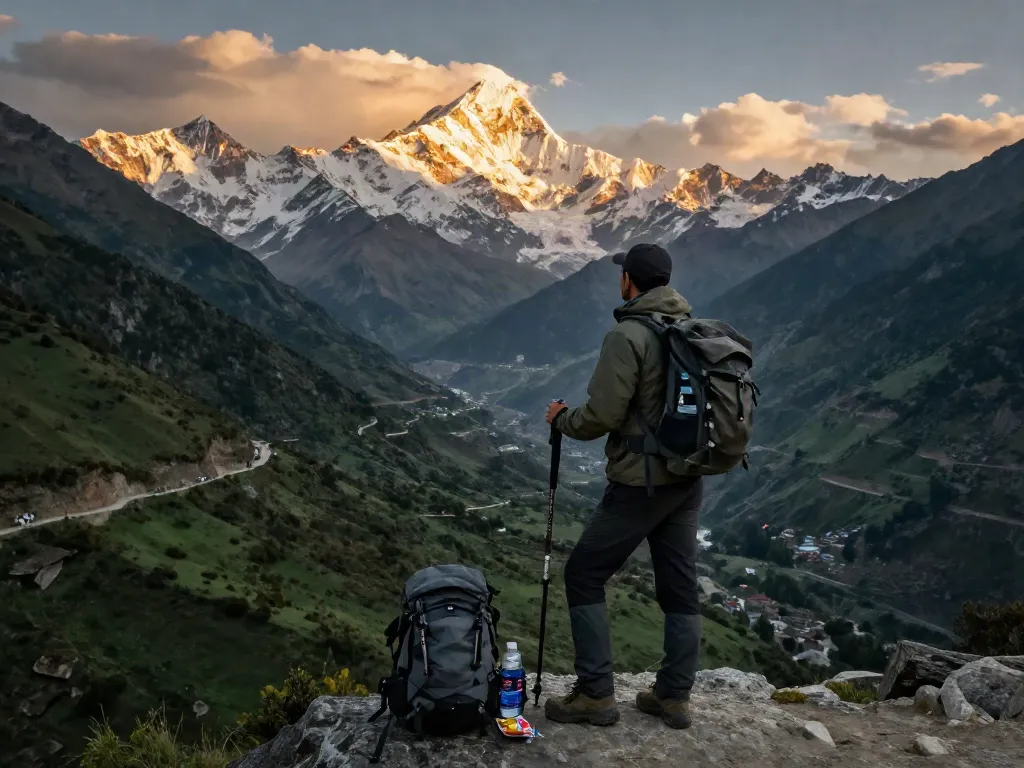
The Manaslu Circuit Trek is one of Nepal's most enchanting trekking routes, offering a unique blend of breathtaking landscapes, rich cultural heritage, and thrilling adventure. Nestled in the heart of the Himalayas, this trek circles Mount Manaslu, the eighth-highest peak in the world, and spans approximately 177 kilometers (110 miles). The journey typically takes around 15 days and provides not only stunning natural vistas but also an opportunity to immerse oneself in the traditional lifestyles of local communities. As you plan your adventure, you'll find that undertaking a trek to Manaslu Circuit will be a journey of epic proportions, both physically and mentally challenging yet immensely rewarding.
What is the Manaslu Circuit Trek?
The Manaslu Circuit Trek stands out among Nepal's numerous trekking routes not only for its natural beauty but also for its cultural richness. This trek takes you through remote villages, ancient monasteries, and lush forests, showcasing the diverse landscapes of the Manaslu region. Unlike the more commercialized trekking circuits, the Manaslu trek offers a sense of solitude and tranquility, allowing trekkers to connect deeply with nature and the local culture. The trail is less crowded, making it perfect for those seeking a more authentic trekking experience.
Historical Significance of the Manaslu Region
Historically, the Manaslu region has been a vital cultural crossroads. It is home to a rich tapestry of ethnic diversity, including the Gurung and Tibetan communities. The name "Manaslu" means "Mountain of the Spirit" in the local dialect, reflecting the deep spiritual significance the mountain holds. Many ancient monasteries dot the landscape, where you can witness age-old customs and sacred rituals practiced by the local inhabitants. The area’s history is steeped in tales of exploration, with the first ascent of Manaslu achieved in 1956, further solidifying its place in the annals of mountaineering history.
Key Highlights of the Trek
- Stunning Scenery: The trek provides majestic views of the Manaslu massif, including peaks such as Himlung Himal and the Annapurna range.
- Cultural Encounters: Experience the rich culture of local communities, including visits to traditional Tibetan-style villages.
- Wildlife Viewing: The trek is situated within the Manaslu Conservation Area, where trekkers may encounter rare flora and fauna, including snow leopards and Himalayan tahr.
- Challenging Passes: The Larkya La Pass at 5,160 meters (16,929 feet) is a major highlight, offering breathtaking panoramic views.
- Acclimatization Opportunities: The trek includes dedicated acclimatization days, ensuring that trekkers can adjust to altitude effectively.
Planning Your Trek to Manaslu Circuit in 2026
Planning your trek to Manaslu Circuit requires careful consideration of various factors, including the best times to visit, necessary gear, and the regulations that govern this protected area. As you contemplate your adventure for 2026, understanding these elements will help ensure a successful and enjoyable experience.
Best Times to Undertake the Trek
The ideal times for trekking the Manaslu Circuit are during the spring (March to May) and autumn (September to November) seasons. These months typically feature stable weather conditions and clear skies, making for optimal trekking experiences. The trails are often adorned with blooming rhododendrons in spring, while autumn offers breathtaking views of the snow-capped peaks against a blue sky. Conversely, summer months (June to August) bring heavy monsoons, leading to slippery trails and increased risks of landslides, making this period less favorable for trekking.
Essential Gear and Packing List
Proper preparation is vital for the Manaslu Circuit trek, as your gear can significantly affect your comfort and safety. Essential items include high-quality trekking boots, layered clothing for varying temperatures, a good sleeping bag rated for cold conditions, and a reliable backpack. Additional items such as trekking poles, water purification tablets, and first-aid kits should also be included. Here’s a brief packing list:
- Clothing: Moisture-wicking base layers, fleece jackets, waterproof outer layers, insulated jackets.
- Footwear: Sturdy trekking boots and camp shoes.
- Accessories: Hats, gloves, and sunglasses for sun protection.
- Camping Gear: Sleeping bags, sleeping pads, and headlamps.
- Medical Supplies: Personal medications, first-aid kit, and altitude sickness medication.
Permitting and Regulations for Trekking
As the Manaslu Circuit lies within a restricted area, trekkers must secure several permits before embarking on their journey. Essential permits include the Manaslu Restricted Area Permit (MRAP), Manaslu Conservation Area Permit (MCAP), Annapurna Conservation Area Permit (ACAP), and a TIMS card. It is advisable to arrange these permits through a licensed trekking agency to ensure compliance with local regulations.
Navigating Challenges on the Manaslu Circuit Trek
While the Manaslu Circuit presents numerous rewards, it also poses various challenges that trekkers must prepare for. From physical demands to altitude sickness, understanding these obstacles will allow you to navigate them effectively.
Physical Preparedness and Training Tips
The physical demands of the trek are substantial, with daily walks averaging 6-8 hours over rugged terrain. Trekkers should engage in a dedicated fitness regimen prior to their trip, including cardio exercises, walking on inclines, and strength training. Ideally, you should aim to build your endurance with hikes that mimic the conditions of the Manaslu trek, ensuring your body is well-prepared for the journey ahead.
Dealing with Altitude Sickness
Altitude sickness is a common concern for trekkers venturing into high-altitude areas such as Manaslu. Symptoms can range from mild headaches to severe complications. To minimize risks, it is essential to allow for proper acclimatization days, maintain hydration levels, and recognize the early symptoms of altitude sickness. Always listen to your body and consult your guide if you experience any concerning symptoms.
Common Obstacles and How to Overcome Them
Weather conditions can dramatically change during the trek, leading to unforeseen challenges. Being mentally prepared for days of rain, snow, or extreme temperatures is essential. Packing appropriate gear and planning an adaptable itinerary can help you navigate these unpredictable elements. Moreover, staying connected with your trekking group and maintaining open communication with your guide will enhance your safety and overall trekking experience.
Experiencing Culture Along the Trek
One of the most rewarding aspects of the Manaslu Circuit trek is the opportunity to immerse yourself in the region's rich cultural heritage. Trekkers can engage with local communities, taste traditional cuisines, and appreciate the unique customs of the people living in this remote part of Nepal.
Interaction with Local Communities
Throughout the trek, you'll pass through numerous villages inhabited by the Gurung and Tibetan peoples. Engaging with local residents provides insights into their daily lives, traditions, and customs. Many villagers are eager to share their stories and way of life, giving trekkers a deeper understanding of the culture. Respectful interaction is encouraged, and learning a few basic phrases in Nepali or Tibetan can open doors to richer exchanges.
Cultural Etiquette for Trekkers
To foster positive relations with the local communities, trekkers must adhere to cultural etiquettes. This includes dressing modestly, asking permission before taking photographs, and being respectful of local customs and traditions. Additionally, participating in communal activities or learning about local practices can enhance your experience and show respect for the culture.
Traditional Cuisine Available During the Trek
During the trek, you'll have the chance to sample traditional Nepali and Tibetan dishes. Staple foods include dal bhat (rice and lentils), momos (dumplings), and various noodle dishes. The use of garlic is prevalent as it is believed to aid acclimatization. Many teahouses offer vegetarian options, and trekkers can enjoy wholesome, hearty meals that replenish energy for the day ahead.
Frequently Asked Questions About Trek to Manaslu Circuit
As you plan your Manaslu Circuit trek, several common questions may arise regarding the trail's challenges, accommodations, and necessary preparations.
How difficult is the Manaslu Circuit Trek?
The difficulty level of the Manaslu Circuit trek is moderately challenging. Trekkers should be prepared for long days of hiking over varied terrain, which includes steep ascents and descents. The highest elevation of 5,160 meters (16,929 feet) at the Larkya La Pass adds a layer of difficulty due to the potential for altitude sickness.
Can beginners successfully complete the trek?
While the trek is certainly challenging, beginners can complete the Manaslu Circuit with adequate preparation and a good level of fitness. Proper acclimatization, pacing yourself, and trekking with a reputable guide will significantly aid in safely navigating the challenges of the trek.
What should I know before trekking solo?
While it is not advised to trek the Manaslu Circuit solo due to the requirement of a licensed guide, if you do opt for a guided agency, ensure that you communicate your needs and expectations clearly. A guide can enhance your experience by offering invaluable insight into the region and ensuring your safety.
How is the accommodation along the route?
Accommodation along the Manaslu Circuit trek consists primarily of traditional teahouses and lodges. While facilities can vary, most will offer twin-sharing rooms with shared bathrooms. As you ascend, accommodations may become more basic, so it’s important to maintain realistic expectations about amenities.
What are the emergency protocols during the trek?
Emergency protocols are critical during the trek. Always trek with a licensed guide who is trained in first aid and familiar with altitude sickness management. In case of severe symptoms, descending to a lower altitude is crucial. Communication with your guide about health concerns is essential, as they will be able to make informed decisions regarding your safety.