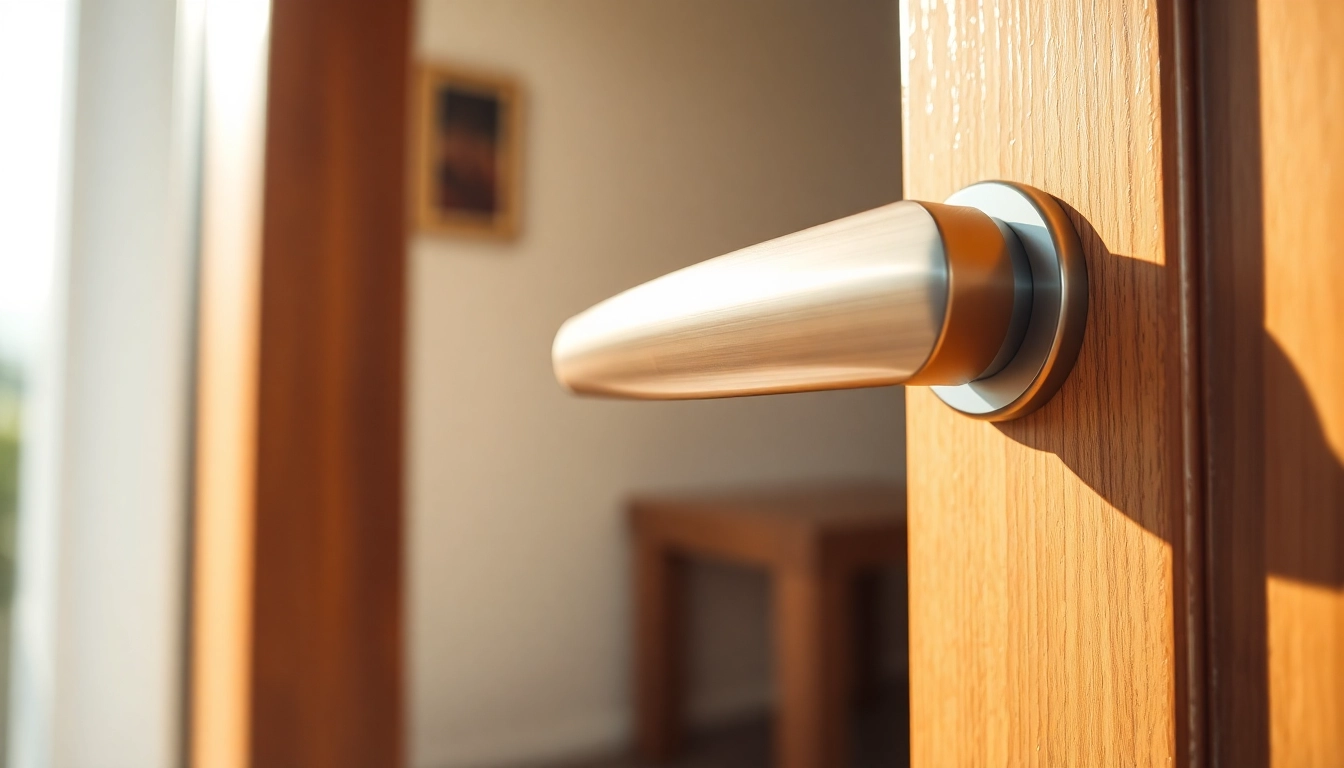
Understanding Door Handles
When it comes to home décor and functionality, one critical element often overlooked is the door handle. These humble mechanisms are essential for enabling us to open and close doors with ease. Beyond mere utility, the right door handle can enhance the aesthetic appeal of your home, providing a finishing touch that reflects your personal style. This section dives into the basics of door handles, exploring what they are, the various types available, and why selecting the right one is important.
What is a Door Handle?
A door handle is a hardware device used to open and close a door. Typically mounted on the door surface, these handles can be operated by hand and come in multiple forms, including knobs, levers, and push bars. While their primary function revolves around operation, they also serve as a design element that can either blend seamlessly into the door’s structure or stand out as a statement piece.
Types of Door Handles
Door handles come in several types, each suited for different door designs and styles. Here’s a closer look at some common types:
- Knobs: Round handles that are commonly used for residential doors. They fit well in traditional settings.
- Levers: Available in various designs, levers are easier to operate and are ideal for both interior and exterior doors.
- Pull Handles: Large, typically installed on sliding doors or cabinet doors, these handles are for pulling rather than turning.
- Touch Handles: These can be activated with a light touch, often used in high-traffic areas.
- Custom Handles: For those who want personalized options, custom handles are designed to fit individual tastes and requirements.
Importance of Choosing the Right Door Handle
Selecting the right door handle is essential for several reasons. Firstly, it affects the door's overall usability. A poorly chosen handle can hinder functionality. Secondly, a door handle influences the security of your home; sturdy materials and locks add a layer of protection. Finally, the aesthetic appeal of door handles complements your home decor. A cohesive look throughout your house makes it more welcoming and pleasing to the eyes.
Factors to Consider When Selecting a Door Handle
Choosing the suitable door handle isn't solely an aesthetic choice; practical considerations significantly impact functionality and design harmony. Here are key factors to help guide your selection process:
Material Options for Door Handles
The material of a door handle greatly influences its durability, maintenance, and appearance. Common material options include:
- Brass: Known for its resistance to corrosion and vibrant finish, brass offers longevity and aesthetic appeal.
- Stainless Steel: Ideal for contemporary settings, stainless steel is strong and resistant to fingerprints and rust.
- Plastic: Often used for economical options, plastic handles can mimic the appearance of more costly materials.
- Wood: For a rustic or traditional look, wooden handles provide warmth and character but may require more maintenance.
- Glass: Perfect for showcasing modern designs, glass handles are elegant but can be fragile.
Size and Style Considerations
In selecting a door handle, size matters immensely. A handle that is too small may feel awkward, while one that’s too large can overwhelm the door’s proportions. Additionally, consider the style of your home when choosing a handle. Vintage or classic homes often pair well with ornate, traditional handles, while sleek, minimalist spaces typically call for simpler designs.
Functionality and Security Features
Functionality is a crucial component of any door handle. Ensure you choose a handle that achieves the intended purpose—do you need a simple pull, or will a locking mechanism be necessary? For external doors, security features such as deadbolts or reinforced levers can provide peace of mind. Evaluating the flow of your home and the frequency of use will help in selecting the best options for each space.
How to Install a Door Handle
Installing a door handle can be a rewarding DIY project, provided you have the right tools and follow a few straightforward steps. Whether you’re replacing an old handle or installing a new one, here’s how to do it:
Tools Required for Installation
Before beginning the installation, gather the following tools:
- Drill
- Screwdriver
- Measuring tape
- Chisel (for mortise handles)
- Level
- Pencil
Step-by-Step Installation Process
- Remove the old handle by unscrewing it from the door.
- Measure the height where the new handle will be attached, typically around 36 to 48 inches from the floor.
- If necessary, use a drill to create holes for the handle, following the template provided with your new handle.
- Attach the handle according to the manufacturer’s instructions, ensuring it is secure and level.
- Test the handle and hinges, adjusting as necessary for smooth operation.
Common Installation Mistakes to Avoid
While installing a door handle may seem straightforward, there are common mistakes to be wary of:
- Poor Measurements: Double-check all measurements to avoid incorrect placements.
- Using the Wrong Tools: Ensure you’re using the appropriate tools to avoid damaging the door handle or the door itself.
- Inadequate Tightening: Ensure all screws are tightened sufficiently to prevent handle wobble.
- Forgetting the Alignment: Take time to ensure everything is aligned correctly for smooth functioning.
Maintaining Your Door Handle
Regular maintenance of your door handles can extend their lifespan and keep them looking good as new. Here's how to care for your door handles effectively:
Cleaning and Care Tips
Here are a few tips for cleaning your door handles:
- Use mild detergent and a soft cloth to clean metal handles; avoid abrasive materials.
- For wooden handles, use a wood polish or a damp cloth, but avoid soaking them.
- Check for signs of corrosion on metal handles and address them immediately.
When to Replace Your Door Handle
Knowing when to replace your door handle is crucial for functionality and security. If a handle is repeatedly sticking, wobbling, or shows signs of rust, it may be time for a replacement. Additionally, replacing door handles during a home renovation or after a security breach can contribute to a fresh look and enhanced safety.
Recognizing Wear and Tear
Regularly inspect your handles for signs of wear and tear, such as:
- Loose screws or parts
- Visible damage or fading on painted surfaces
- Difficulty in turning or pulling the handle
Addressing these issues early can prevent further damage and enhance the longevity of your handles.
FAQs About Door Handles
What are the best materials for door handles?
The best materials for door handles include brass for corrosion resistance, stainless steel for durability, and wood for a warm, traditional appearance. Each material has its unique benefits.
How do I ensure my door handle is secure?
To ensure your door handle is secure, choose high-quality materials, install it correctly, and regularly check and tighten screws. Consider a lock mechanism for additional security on exterior doors.
Can I install a door handle myself?
Yes, installing a door handle is an achievable DIY project. With the right tools and following a step-by-step guide, most homeowners can complete the task without professional help.
What to look for in a stylish door handle?
Choose door handles that complement your home’s decor. Consider factors like finish, shape, and style. Look for designs that marry aesthetics with functionality.
How do I clean a door handle properly?
To clean a door handle, use warm soapy water and a soft cloth. Avoid harsh cleaners that might damage the finish. Rinse and dry thoroughly to prevent moisture buildup.