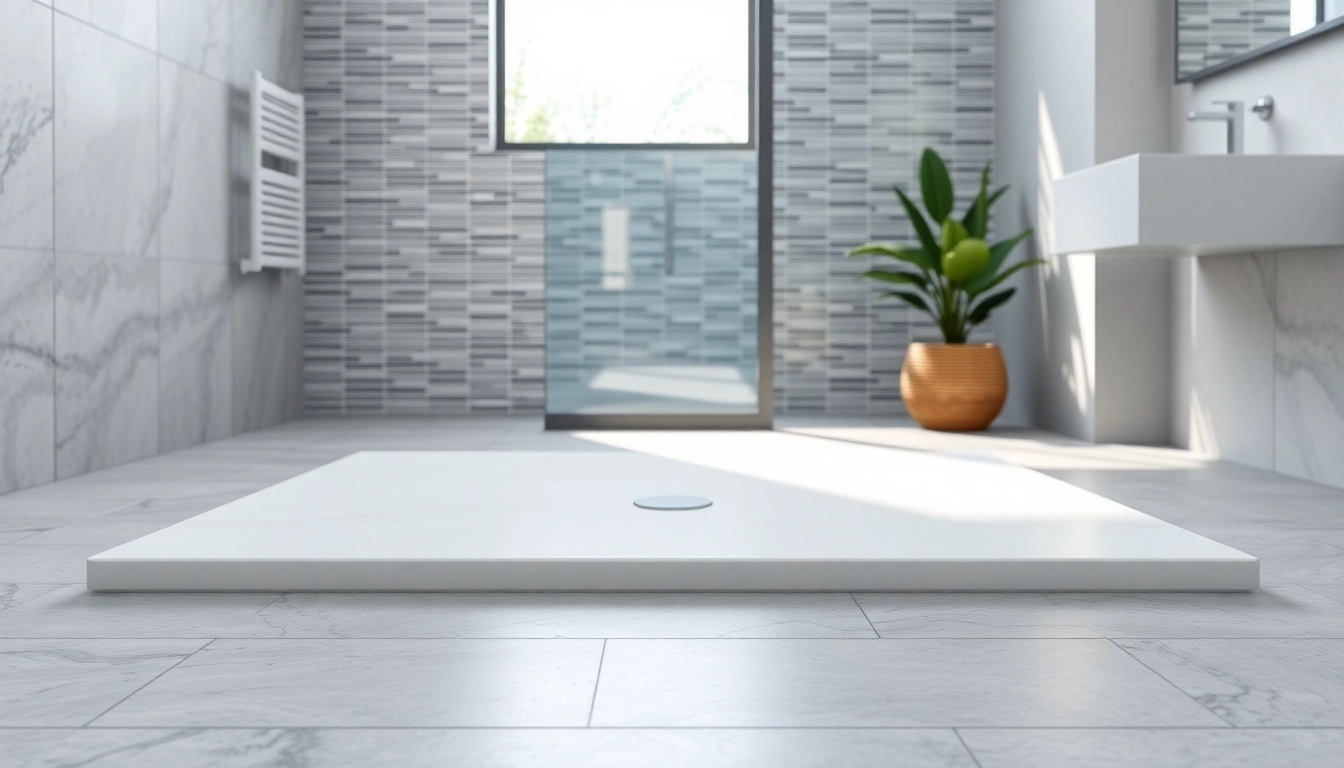
Understanding Shower Base Types
When it comes to designing or renovating a bathroom, one crucial decision is the selection of a shower base. The right shower base not only influences the aesthetic of your space but also impacts functionality and long-term maintenance. As you explore various options, it’s essential to understand the distinct types of shower bases available.
Acrylic Shower Base Options
Acrylic shower bases are a popular choice due to their lightweight nature and ease of installation. These bases are molded from a mix of acrylic and fiberglass, creating a durable surface that resists chipping and cracking. The smooth surface is also easy to clean, making it a practical option for busy households. Additionally, acrylic shower bases come in various sizes and shapes, allowing for customization to fit any bathroom layout. They are particularly advantageous in terms of insulation, keeping the shower warm and comfortable for longer use.
Composite Shower Base Benefits
Composite shower bases, often made from a blend of various materials such as resin and stone, offer a unique aesthetic and enhanced durability. These bases mimic the appearance of natural stone while providing superior resistance to staining and scratching. The non-porous surface of composite materials prevents mildew growth, making it a hygienic option. Furthermore, composite bases tend to have a sturdier feel underfoot compared to traditional acrylic, which many homeowners find appealing. Custom colors and textures are also available, allowing homeowners to tailor their shower base to match their design preferences.
Tile vs. Shower Base: What to Choose
Choosing between a tiled shower base and a pre-fabricated shower base involves several factors, including budget, design, and usage patterns. Tiled shower bases can offer a luxurious look and a fully customizable design, allowing homeowners to create intricate patterns and designs that suit their style. However, they require a more complicated installation and regular maintenance, as grout lines can become stained or moldy over time. On the other hand, pre-fabricated shower bases are easier to install and maintain but offer less flexibility in terms of design. Evaluating your priorities and maintenance capacity can lead to the right decision.
Factors to Consider When Selecting a Shower Base
Selecting the ideal shower base requires careful consideration of various factors that can significantly affect both functionality and aesthetic appeal.
Size and Space Limitations
The dimensions of your bathroom will largely dictate which shower base options are appropriate. It's essential to measure the available space accurately before making a purchase. If your bathroom is smaller, a corner shower base might be more suitable, while larger bathrooms can accommodate more spacious options. Also, consider the overall flow of your bathroom – the shower base should integrate seamlessly with other fixtures and not obstruct movement.
Style Compatibility with Bathroom Decor
Your bathroom's style should guide your choice of shower base. If your bathroom has a modern design, sleek acrylic or composite bases can provide a contemporary look. Conversely, a traditional or vintage-inspired bathroom might benefit from the classic appeal of a tiled base. Furthermore, consider colors and textures that complement the overall theme of your bathroom for a cohesive design.
Drain Placement and Its Importance
Drain placement is a critical aspect to consider when selecting a shower base. Ensuring the drain is positioned correctly can prevent water pooling and overflow issues. Some bases come with designated drain placements to accommodate various plumbing setups. It's advisable to consult with a plumbing professional to align your shower base choice with your current or planned plumbing configuration.
Installation Tips for Your Shower Base
Proper installation of a shower base is vital for ensuring longevity and functionality. Below are essential steps and tips to follow during installation.
Preparing the Bathroom Environment
Before installing your shower base, ensure the bathroom is adequately prepared. This includes clearing the area, ensuring that existing plumbing is functional, and that the floor is level. It's also wise to lay down protective coverings to prevent damage to surrounding surfaces during the installation process.
Step-by-Step Installation Process
The installation process can vary depending on the type of shower base. For acrylic bases, start by placing the base firmly in the desired location, ensuring it is level. Use a plumbing adhesive recommended by the manufacturer to secure it in place. Connect the drain to your existing plumbing and seal any gaps with a waterproof sealant. For tile installations, prepare the subfloor and confirm the layout before adhering tiles. Use grout carefully to fill in seams.
Common Mistakes to Avoid
To ensure a successful installation, avoid common pitfalls such as failing to level the base before securing it, neglecting to check the drain alignment, or skimping on sealant application. Each of these mistakes can lead to water damage or a less than optimal performance of your shower base. Additionally, always consult the installation manual specific to your base type for tailored guidance.
Maintaining Your Shower Base for Longevity
Regular maintenance is crucial, as it extends the lifespan of your shower base and keeps it looking new. Here are best practices for maintaining your shower base.
Regular Cleaning Tips
For routine cleaning, employ non-abrasive cleaners to avoid scratching the surface of your shower base. Daily rinsing with warm water can prevent soap scum and mildew buildup. Monthly deep cleaning with a mild vinegar solution can help maintain its pristine appearance without damaging the material.
Repairing Common Issues
Common issues such as scratches on acrylic bases can often be resolved with specialized kits available in home improvement stores. For more severe damage, like cracks, it might be better to consult a professional repair service. Regular inspections for signs of wear and tear will help in addressing minor issues before they escalate into costly repairs.
When to Replace Your Shower Base
While maintenance can prolong the life of your shower base, some situations call for a replacement. If you notice significant cracks, recurring leaks, or persistent mold that cleaning cannot resolve, it may be time to invest in a new shower base. Additionally, if you are undergoing a bathroom remodel, upgrading your shower base might improve the overall aesthetic and functionality.
Customer Q&A: Shower Base Insights
How to Choose the Right Material?
Choosing the right material depends on your budget, aesthetic preferences, and maintenance capabilities. Acrylic is practical and durable, while composite offers a sophisticated finish. Consider your priorities in terms of maintenance and design when making your choice.
Can I Install a Shower Base Myself?
Yes, many homeowners opt to install shower bases themselves, especially with pre-fabricated options. However, it requires careful attention to detail and the proper tools. If you're unsure, hiring a professional is advisable for optimal results.
What Size Shower Base Is Ideal for My Space?
The ideal size depends on your bathroom layout and personal preferences. Measure the available space to ensure adequate room for movement, considering additional fixtures. Common sizes include 30 x 30 inches for compact spaces and larger options for more spacious areas.
How Often Should I Clean My Shower Base?
It's recommended to clean your shower base at least once a week to prevent buildup. Daily rinsing can also help maintain cleanliness, while a thorough cleaning with a cleaner suitable for the material monthly can keep it looking new.
What Are the Cost Factors for Shower Bases?
Cost factors include material type, size, brand, and installation requirements. Acrylic bases tend to be less expensive, while custom tile options can be pricier due to additional labor costs. Always budget for potential installation expenses when renovating.