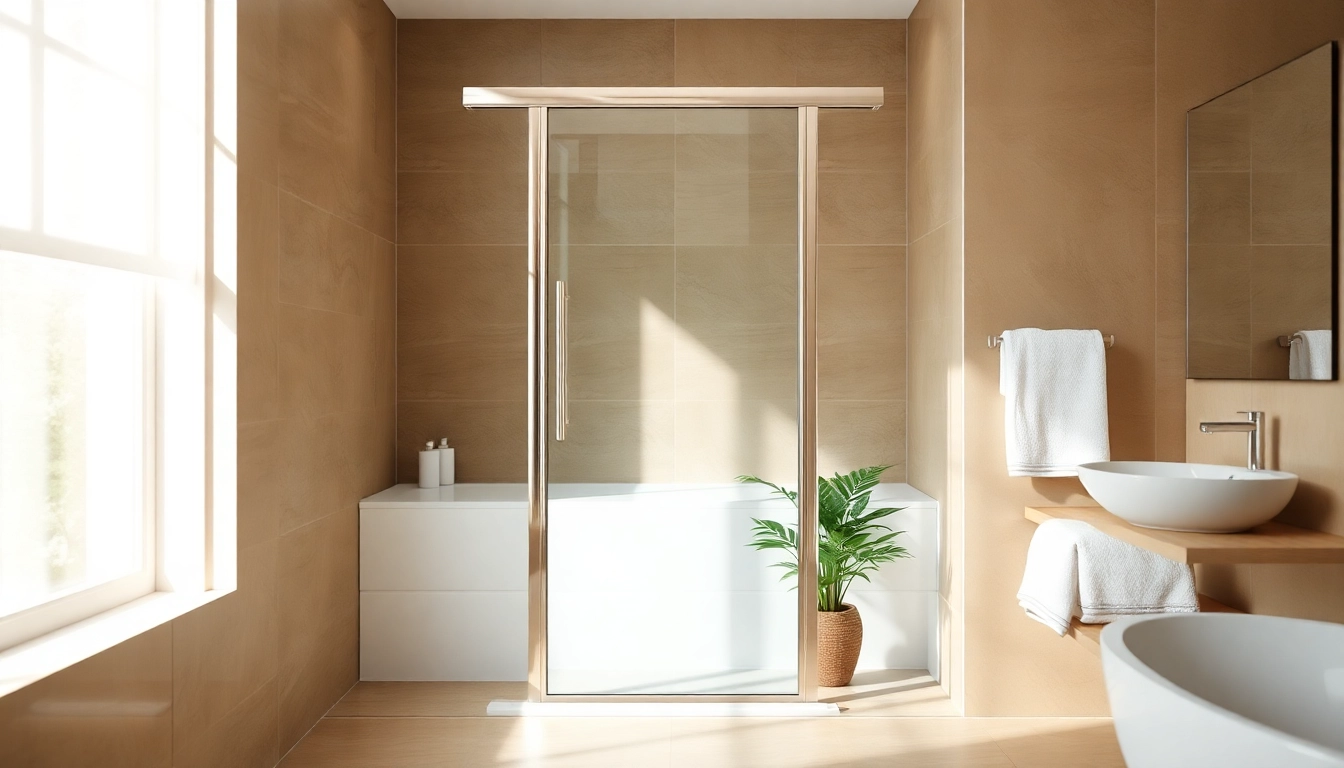
Understanding the Benefits of a Shower Screen Door
In the modern bathroom, style and functionality go hand in hand, and one key element that exemplifies this balance is the shower screen door. This sleek addition can transform your space while offering numerous practical advantages. Exploring the value of shower screen doors, including their benefits compared to traditional shower curtains, helps you make an informed decision for your bathroom renovation or upgrade.
What Is a Shower Screen Door?
A shower screen door is a fixed or movable barrier designed to enclose the showering area, preventing water from splashing outside the designated wet zone. Made from glass—either tempered or laminated—shower screen doors offer a sophisticated aesthetic while being highly functional. The design can vary, featuring options like framed or frameless styles, and they are available in various finishes and types, including sliding, bi-fold, and hinged doors.
Advantages of Shower Screen Door Over Shower Curtains
When selecting between a shower screen door and a shower curtain, several significant advantages position shower screens as the superior choice:
- Durability: Shower screen doors, particularly those crafted from tempered glass, are much sturdier than fabric curtains. They resist tearing, fraying, and mildew, providing a longer lifespan.
- Aesthetic Appeal: The sleek and modern look of a glass door elevates the aesthetic of any bathroom. It creates an illusion of spaciousness, especially beneficial in smaller areas.
- Ease of Cleaning: Unlike shower curtains, which often require frequent washing, a properly installed shower screen door needs only occasional cleaning with a gentle glass cleaner to maintain its clarity and shine.
- Water Containment: Shower screens effectively keep water contained, reducing slip hazards outside the shower area and minimizing potential water damage to your bathroom flooring.
Choosing the Right Material for Your Shower Screen Door
Selecting the appropriate material for your shower screen door is crucial for both functionality and style. Most commonly, these doors are made from:
- Tempered Glass: Known for its strength and safety, tempered glass shatters into small pieces, reducing injury risk. It is the most popular choice for shower screens.
- Laminated Glass: Comprising two sheets of glass with a layer of plastic in between, laminated glass offers excellent noise reduction and is also safer, as it does not shatter easily.
- Plastic Acrylic: A lightweight and cost-effective option, acrylic is less durable than glass, but it offers various colors and designs. It might be suitable for budget-conscious renovations.
Design Options for Your Shower Screen Door
Framed vs. Frameless Shower Screen Door Styles
The style of your shower screen door can significantly impact the overall look of your bathroom. Typically, there are two main styles: framed and frameless.
- Framed Shower Screens: These feature an aluminum or metal frame surrounding the glass. Framed options are often more customizable and less expensive, making them a practical choice for many homeowners.
- Frameless Shower Screens: For a modern, minimalist look, frameless doors provide an unobstructed view and a feeling of spaciousness. Although they tend to be more costly, the contemporary appeal they bring is unmatched.
Color and Finish Choices for Your Shower Screen Door
When it comes to the color and finish of your shower screen door, options abound. Clear glass remains the most classic choice, allowing for maximum light and visibility. However, you may also consider:
- Frosted Glass: This option provides privacy while still allowing light to enter, making it an excellent choice for those who prefer a balanced approach.
- Tinted Glass: Available in several colors—like bronze, gray, or blue—tinted glass can add an element of design flair and match different bathroom color schemes.
- Textured Glass: For a more distinctive design, textured glass options can introduce patterns that enhance privacy while still providing a light source.
Customization Options for Unique Spaces
Your bathroom’s layout may require a custom shower screen door. Many manufacturers offer tailor-made solutions, which can include:
- Shapes that accommodate sloped ceilings or unusual layouts to maximise space.
- Innovative opening mechanisms, such as pocket doors, for areas with limited swing room.
- Special finishes or hardware to comply with your specific lifestyle needs or aesthetic preferences.
Installation Process and Considerations
Preparing Your Bathroom for a Shower Screen Door Installation
Before installation, proper preparation of your bathroom is essential. Consider the following steps:
- Measure Accurately: Ensure the opening for your shower screen door is measured accurately, accounting for any irregularities in walls or flooring.
- Choose the Right Location: Decide where the door will open and if it will require permanent or removable fixtures.
- Check for Structural Integrity: Ensure the wall can support the weight of the door. Metal studs and flexible walls may need reinforcements.
Step-by-Step Installation Guide for Shower Screen Door
Installing a shower screen door can be a fulfilling project. Below is a step-by-step guide:
- Gather Materials: Ensure you have all necessary tools like a drill, level, safety goggles, and screws.
- Install the Hinges or Tracks: Follow the manufacturer's guidelines to install hinges or installation tracks, ensuring they are straight and level.
- Attach the Glass: Safely lift and position the glass panels against the walls and attach them according to the installation kit.
- Seal the Edges: To prevent leaks, apply silicone sealant around all edges, reviewing for any missed spots.
- Test Functionality: Open and close the shower screen door to ensure everything functions smoothly.
Common Installation Mistakes to Avoid
While installing a shower screen door, awareness of common pitfalls can save time and hassle:
- Not leveling the tracks or hinges can lead to malfunction and improper sealing.
- Failing to use protective materials can result in scratches on the glass.
- Over-tightening screws can cause glass breakage.
Maintenance and Care for Shower Screen Doors
Cleaning Tips for a Sparkling Shower Screen Door
Regular cleaning helps maintain the clarity and longevity of your shower screen door. Follow these tips:
- Use the Right Cleaners: Mild detergent mixed with water effectively cleans without scratching the surface.
- Soft Cloths or Squeegees: Microfiber cloths or squeegees minimize streaks and help reduce residue build-up after use.
- Rinse After Use: A simple rinse with warm water post-shower can prevent soap scum accumulation.
Preventing Wear and Tear on Your Shower Screen Door
To prolong the life of your shower screen door:
- Avoid using abrasive cleaners that can scratch the glass.
- Inspect seals regularly for signs of wear or mold growth and replace them promptly.
- Regularly check the hinges or tracks for rust and ensure they are lubricated.
When to Consider Replacing Your Shower Screen Door
Signs indicating it’s time to replace your shower screen door may include:
- Cracks or chips that compromise safety.
- Persistent leakage due to faulty seals.
- Excessive wear that detracts from the appearance of your bathroom.
FAQs About Shower Screen Doors
How do I clean my shower screen door effectively?
Use a mild detergent and a soft cloth to prevent scratches. Avoid abrasive cleaners.
Can a shower screen door fit any sized shower?
Most shower screen doors come in standard sizes, but customization options are available.
Is installing a shower screen door a DIY task?
While possible for experienced DIYers, professional installation is recommended for best results.
What maintenance does a shower screen door require?
Regular cleaning and checking for water spots or mold are essential for longevity.
Are shower screen doors safe for kids and pets?
Yes, if installed correctly, they provide a stable barrier while remaining easy to open.