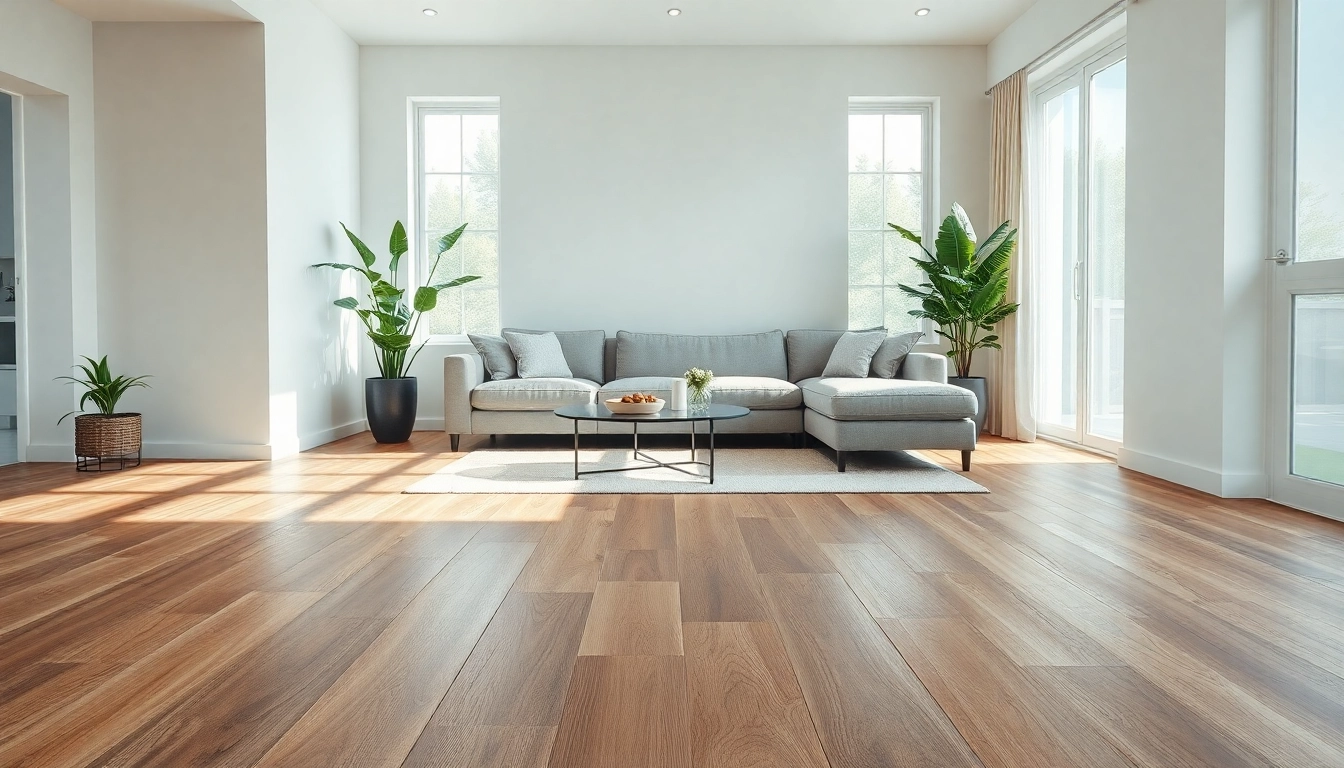
Understanding Vinyl Flooring: Benefits and Features
What is Vinyl Flooring?
Vinyl flooring is a resilient, synthetic flooring material that has gained immense popularity in residential and commercial spaces. Composed of multiple layers, vinyl combines aesthetics, durability, and ease of maintenance. Its versatility allows for a variety of designs, textures, and colors, making it an attractive option for homeowners and designers alike. Unlike traditional hardwood or tile flooring, vinyl flooring is both cost-effective and water-resistant, appealing to a broad audience in search of style without breaking the bank.
Key Advantages of Vinyl Flooring
The advantages of vinyl flooring are numerous, contributing to its growing popularity:
- Cost-Effective: Compared to natural materials like hardwood and stone, vinyl flooring is typically lower in cost, making it an ideal choice for budget-conscious homeowners.
- Durability: Vinyl is resistant to scratches, dents, and stains, thanks to its tough wear layer, which protects the design beneath from damage.
- Water Resistance: This flooring material is impervious to moisture, making it suitable for bathrooms, kitchens, and basements.
- Variety of Designs: Available in an array of colors and patterns, including realistic wood and stone looks, vinyl flooring can complement any interior design style.
- Easy Installation: Many vinyl flooring options feature click-lock designs or adhesive backing, allowing for simple DIY installation.
- Low Maintenance: Cleaning vinyl flooring requires minimal effort; a simple damp mop or regular sweeping keeps it looking great.
Varieties of Vinyl Flooring Available
Vinyl flooring comes in various formats, each tailored to different needs:
- Sheet Vinyl: This comes in large rolls and is ideal for covering expansive areas seamlessly. It's perfect for areas with high moisture.
- Vinyl Plank Flooring: Resembling hardwood planks, these pieces are meant to be clicked or glued down for easy installation. They're great for achieving a wood-like look.
- Vinyl Tile Flooring: Mimicking ceramic or stone tiles, vinyl tiles are more forgiving underfoot and are often less expensive than their ceramic counterparts.
- LVP (Luxury Vinyl Plank): A premium version of vinyl plank, LVP offers enhanced durability and aesthetic appeal, often boasting thicker layers and more intricate designs.
Choosing the Right Vinyl Flooring for Your Home
Factors to Consider Before Buying
Before making a purchase, several factors should guide your decision:
- Room Function: Consider the functionality of the space. For wet areas like kitchens, choose water-resistant options.
- Traffic Levels: Heavily trafficked areas benefit from thicker, more durable vinyl options to prevent wear.
- Style and Aesthetics: Select a design that complements your overall decor; the right vinyl can enhance or detract from your interior atmosphere.
- Installation Method: Decide whether you will install it yourself or hire a professional, as that influences the type of vinyl you should purchase.
- Budget: Align your choice with your budget while reviewing quality options to ensure durability.
Comparing Vinyl Flooring Types
When evaluating different types of vinyl flooring, consider their specific characteristics:
TypeBest ForAdvantagesDisadvantagesSheet VinylLarge SpacesSeamless installation, water-resistantDifficult to repairVinyl PlankLiving AreasRealistic wood look, easy to installCan be slippery when wetVinyl TileKitchens and BathroomsEasy replacement of individual tilesCan be less comfortable underfootLVPLuxury SpacesHigh-end aesthetic, durabilityHigher price point
How to Match Vinyl Flooring with Home Decor
When matching vinyl flooring to home decor, consider these strategies:
- Color Coordination: Opt for flooring that complements the wall color or furniture; neutral palettes offer versatility.
- Texture Balance: Mix smooth vinyl with textured elements like rugs or curtains to create depth in design.
- Principles of Contrast: Use contrasting patterns or colors for a vibrant look, ensuring they don’t overwhelm the space.
- Consider Lighting: Think about how natural and artificial light will interact with your vinyl flooring choice throughout the day.
Installation Guide for Vinyl Flooring
Preparation Steps for Installation
Preparing for vinyl flooring installation is crucial to its performance:
- Measure the Area: Accurately measure the space to determine how much material you will need.
- Clear the Space: Remove existing flooring, furniture, and any baseboards to have a clean work area.
- Inspect the Subfloor: Ensure the subfloor is clean, dry, and level; repair any imperfections before laying vinyl.
- Acclimate the Vinyl: Let the vinyl planks or sheets acclimate to the room temperature and humidity for optimal flexibility.
DIY vs. Professional Installation
Choosing between DIY installation and hiring professionals depends on several factors:
- Skill Level: If you are handy and have experience with similar projects, DIY might be a suitable option.
- Time Commitment: DIY installation can be time-consuming; professionals may complete the job quickly.
- Cost: Hiring professionals involves labor costs, while DIY saves money but may require purchasing tools.
- Quality of Finish: Professionals generally ensure a flawless installation, reducing the risk of future issues.
Tools Needed for Installing Vinyl Flooring
To successfully install vinyl flooring, you’ll need the following tools:
- Measuring tape
- Utility knife
- Straight edge
- Flooring adhesive (if required)
- Rolling pin or floor roller
- Spacers (for planks)
- Jigsaw (for cutting shapes)
Maintaining Your Vinyl Flooring for Longevity
Cleaning Tips for Vinyl Flooring
Proper cleaning practices can significantly extend the life of vinyl flooring:
- Regular Sweeping: Keep dirt and debris at bay by sweeping or vacuuming regularly to prevent scratching.
- Use a Damp Mop: Clean the surfaces with a damp mop and a gentle cleaner designed for vinyl; avoid harsh chemicals.
- Address Stains Promptly: Quickly remove spills to prevent staining; use a soft cloth or sponge for blotting.
Preventing Damage to Vinyl Flooring
To keep vinyl flooring in excellent condition, consider these preventative measures:
- Use Furniture Pads: Place pads under furniture legs to prevent scratches and dents.
- Avoid High Heels: Limit the use of high-heeled shoes on vinyl flooring to prevent indentations.
- Use Area Rugs: Lay rugs in high-traffic areas for additional protection against wear and tear.
When to Schedule Professional Maintenance
Even with basic cleaning practices, professional maintenance may be necessary, especially in the following situations:
- Regular inspection can identify hidden issues before they escalate.
- If you notice significant wear or damage, professionals can repair or replace affected areas.
- Periodic deep cleaning by experts restores luster and protects the flooring investment.
Innovative Trends in Vinyl Flooring Design
Popular Colors and Patterns
Current trends in vinyl flooring embrace a mix of contemporary aesthetics and classic charm:
- Bold Colors: Vibrant hues are being used to make statements in spaces, encouraging creativity and personalization.
- Mixed Patterns: Designers are opting for a mix of patterns that evoke artistic flair while maintaining harmony within the decor.
- Natural Textures: Vinyl flooring is adopting textures that resemble wood grains, stone finishes, and even textile-like appearances.
Using Vinyl Flooring in Unconventional Spaces
Vinyl flooring opens up new possibilities for unusual applications:
- Commercial Spaces: Businesses are utilizing vinyl for its durability and ease of maintenance in high-traffic environments.
- Outdoor Patios: Some vinyl options designed for outdoors lend a rugged charm while being weather-resistant.
- Basements: A popular choice for basements, vinyl minimizes moisture risks, providing a cozy finish.
Combining Vinyl with Other Flooring Types
To create design diversity, consider combining vinyl flooring with other materials:
- Transitions: Use vinyl planks alongside hardwood or tile; transition strips ensure a smooth flow between materials.
- Zones: Define spaces within an open-plan layout with different flooring types; for example, vinyl in living areas and tiles in kitchens.
- Inlays: Introduce vinyl inlays or borders to visually enrich areas while maintaining functionality.
Frequently Asked Questions
What is the average lifespan of vinyl flooring?
Vinyl flooring typically lasts 10 to 20 years, depending on quality, maintenance, and traffic levels.
Can vinyl flooring be installed over existing floors?
Yes, vinyl flooring can often be installed over existing surfaces like tile or linoleum, provided they are solid and smooth.
Is vinyl flooring suitable for pets?
Yes, vinyl flooring is a great choice for pet owners; it is scratch-resistant and easy to clean, preventing permanent stains.
How do I remove scratches from vinyl flooring?
Light scratches can be buffed out with a soft cloth and a small amount of mineral oil; deeper scratches may require professional repair.
Are there eco-friendly options for vinyl flooring?
Yes, some brands offer eco-friendly vinyl flooring made from recycled materials and low-VOC emissions, ensuring a healthier environment.