The Importance of High-Quality Roofing Solutions
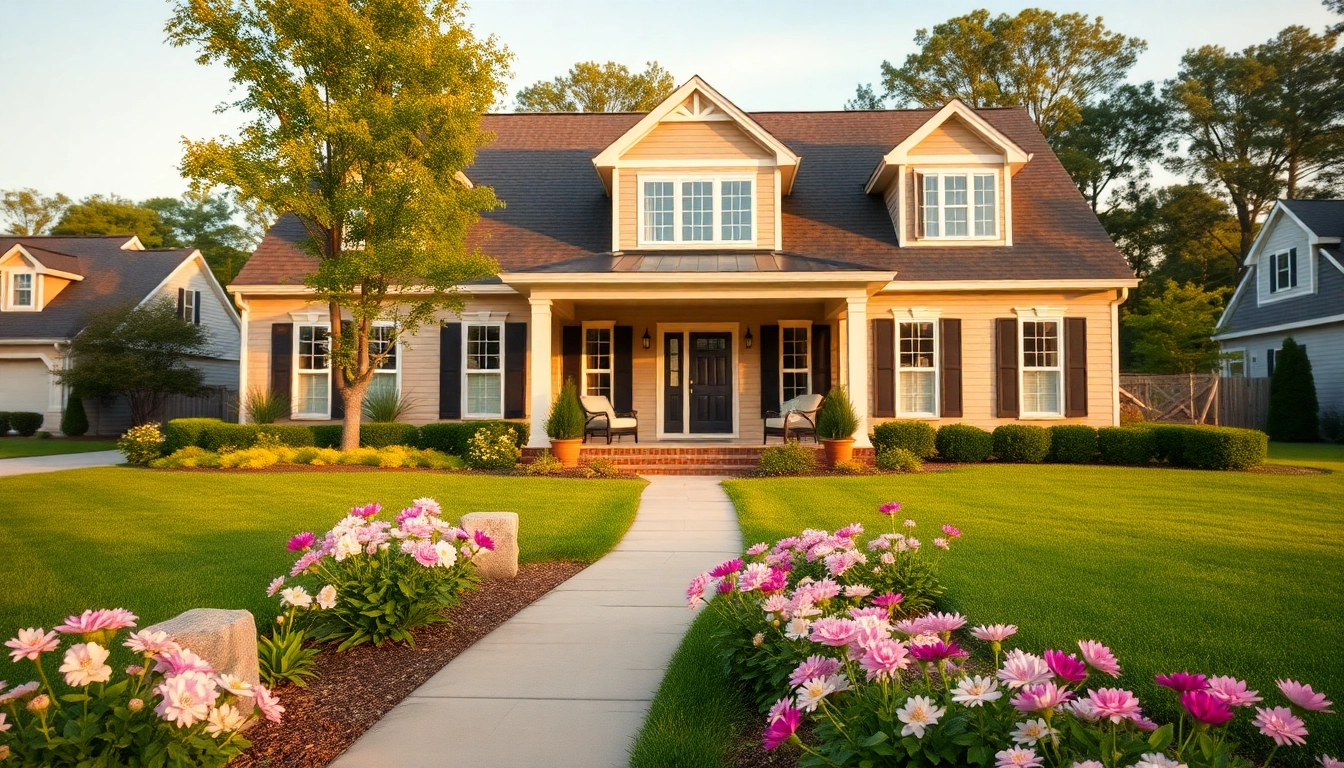
When it comes to safeguarding your home, high-quality roofing solutions are paramount. A well-constructed roof protects against the harsh elements while contributing to the aesthetic and structural integrity of your property. This article delves into the significance of investing in high-quality roofing, guiding you through various aspects from understanding roofing needs to finding the right professionals for installation.
Understanding Roofing Needs
Your roofing needs depend on several factors, including your home’s architectural style, the local climate, and environmental conditions. A thorough assessment of these elements can help you make informed decisions about your roofing options. Understanding the various functions of a roof—like insulation, waterproofing, or enhancing curb appeal—can also aid in selecting the best roofing solution for your home.
Benefits of High-Quality Materials
The investment in high-quality roofing materials yields significant returns. Here are some of the main benefits:
- Durability: Higher quality materials often come with extended warranties and are designed to withstand severe weather.
- Energy Efficiency: Quality roofs can improve insulation, reducing heating and cooling costs.
- Enhanced Aesthetics: Quality materials can enhance the visual appeal of your home, increasing property value.
- Reduced Maintenance: Durability translates to less frequent repairs and replacements over time.
Common Issues with Poor Roofing Choices
Opting for low-quality roofing can lead to various problems, including:
- Water Damage: Poor roofing can allow water leaks, causing structural damage.
- Frequent Repairs: Low-quality materials often require regular maintenance, increasing long-term costs.
- Decreased Home Value: Homes with poor roofing may struggle to attract buyers and could sell for lower prices.
- Health Risks: Mold and mildew can thrive in water-damaged areas, leading to health issues.
Choosing the Right Roofing Materials
Comparing Different Types of Roofing
Selecting the right roofing material is crucial for the overall performance of your roof. Here are some common types and their advantages:
- Asphalt Shingles: Affordable and widely used, they provide a good balance of durability and cost.
- Metal Roofing: Highly durable and resistant to extreme weather, metal roofs can last over 50 years.
- Tile Roofing: Often found in upscale homes, tile is aesthetically pleasing and highly durable, though heavier and costlier.
- Wood Shingles: They offer a unique look but require regular maintenance to prevent decay.
Factors Influencing Material Selection
When selecting roofing materials, consider the following factors:
- Climate: Weather conditions in your area dictate the choice for durability and insulation properties.
- Budget: Understand your financial capacity; sometimes, spending more upfront offers savings in the long run.
- Local Building Codes: Regulations may require specific materials; always check before making a selection.
- Aesthetic Preferences: The exterior design of your home should complement the roofing choice.
Environmental Considerations
Choosing environmentally friendly options is increasingly important:
- Sustainability: Many roofing materials are now made from recycled products, reducing environmental impact.
- Energy Efficiency: Some roofing options can reflect sunlight, reducing cooling costs and energy consumption.
- Long Lifespan: Investing in durable materials reduces waste and environmental concerns over time.
Finding Qualified Roofing Professionals
What to Look for in a Roofing Contractor
Finding a reputable roofing contractor is essential for the success of your project. Here are characteristics to look for:
- Licensing and Insurance: Ensure the contractor has the necessary licenses and insurance to protect yourself from liability.
- Experience: Consider contractors with a solid history and positive customer reviews in your area.
- Transparency: Look for professionals who provide detailed estimates and clear timelines.
Questions to Ask Before Hiring
Prepare the following questions to gauge a contractor's suitability:
- What materials do you recommend, and why?
- Can you provide references from previous clients?
- What is your estimated timeline for completion?
- How do you handle unexpected complications or costs?
Evaluating Experience and Reviews
Researching potential contractors entails checking:
- Reviews: Online reviews can provide valuable insights into contractor reliability and quality.
- Portfolio: Ask to see similar projects they've completed to assess their work quality.
- Warranties: Understand the warranties they offer for both materials and workmanship.
Roofing Installation Process Explained
Steps to a Successful Roofing Project
A successful roofing project involves several key steps:
- Initial Assessment: A professional examines your roof’s condition and identifies required work.
- Material Selection: Based on your needs and budget, choose suitable materials.
- Preparation: Contractors prepare your home, covering areas to prevent damage during the process.
- Installation: The actual installation takes place, executed with precision by seasoned professionals.
- Final Inspection: After completing the installation, a thorough inspection ensures everything meets standards.
Timeline Expectations for Installation
The timeline for roofing projects can vary widely, generally ranging from a few days to a couple of weeks. Factors influencing this include:
- The size of the roof and complexity of the project
- Weather conditions that may cause delays
- The availability of materials or workforce
Post-Installation Care and Maintenance
Maintaining your roof post-installation is critical to ensuring its longevity:
- Regular Inspections: Schedule annual inspections to detect issues early.
- Keep Debris Away: Remove leaves, branches, and other debris that can trap moisture and cause damage.
- Address Issues Promptly: Repair any shingles or areas that sustain damage immediately.
Frequently Asked Questions About High-Quality Roofing Solutions
What are the signs I need a new roof?
Look for damaged shingles, leaks, or significant wear. Generally, if your roof is over 20 years old, an inspection is advisable.
How long does a high-quality roof last?
With proper maintenance, high-quality roofing solutions can last 25-50 years, depending on materials used and environmental factors.
What roofing materials are best for my area?
Consult local experts for recommendations based on climate, weather conditions, and home design for optimal roofing material choice.
How much should I expect to pay for roofing?
Costs vary widely based on material and size, but high-quality roofing solutions generally range from $5,000 to $10,000 for residential homes.
Can I install roofing myself?
While DIY is possible, professional installation is recommended to ensure safety and compliance with building codes, significantly impacting roof longevity.