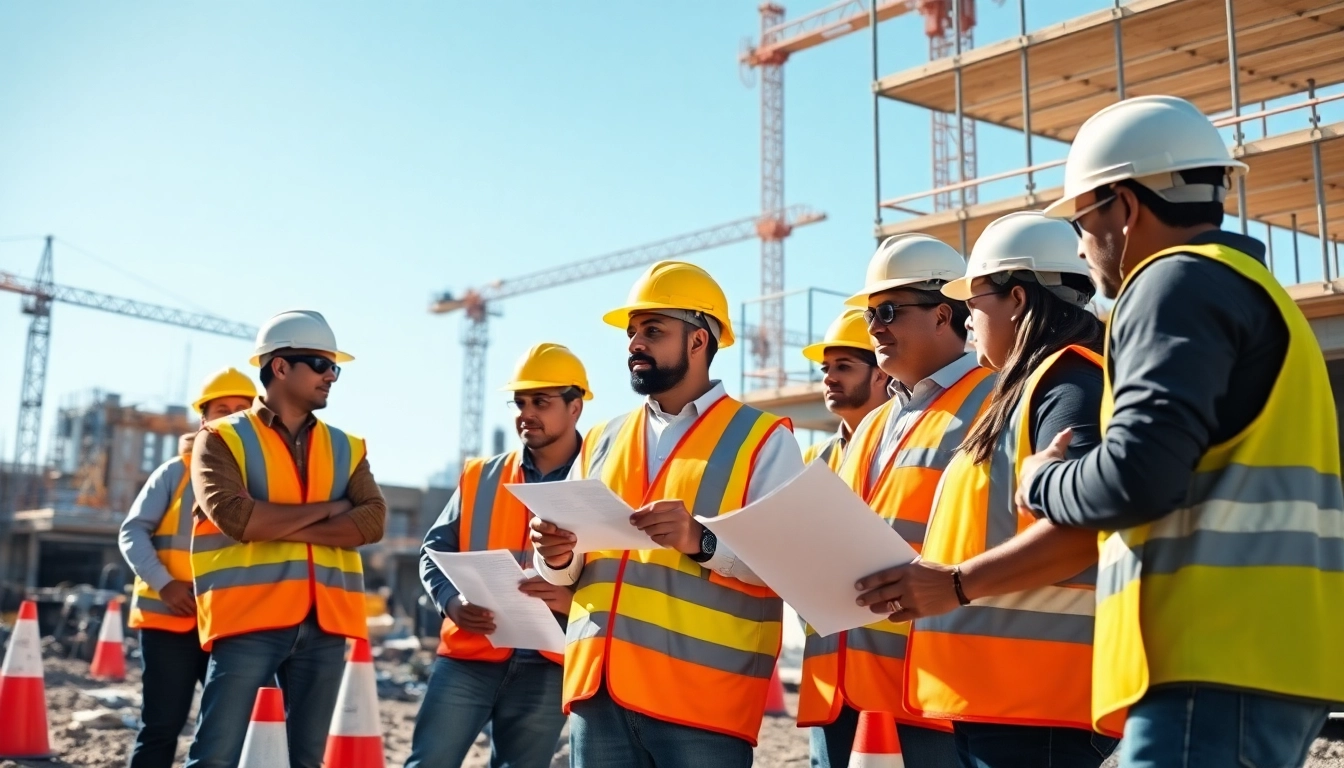
Understanding the Importance of Construction Safety Training
Construction safety training is a vital aspect of the construction industry that helps protect workers from potential hazards on the job site. By equipping workers with the knowledge and skills they need to recognize and mitigate risks, construction safety training not only fosters a safer work environment but also enhances productivity and compliance with regulations. In an industry marked by its physical demands and inherent risks, implementing effective construction safety training is essential for minimizing accidents and injuries.
The driving force behind construction safety training is the commitment to maintaining a secure workplace. This training encompasses various elements, including hazard recognition, safe equipment operation, and emergency response protocols. Organizations that prioritize construction safety training are taking a proactive step toward ensuring the well-being of their employees and the success of their projects.
What Is Construction Safety Training?
Construction safety training refers to a structured educational process designed to inform and instruct workers about various safety measures, practices, and procedures relevant to their roles in the construction industry. This training often includes both theoretical knowledge and practical skills, ensuring that workers can apply what they learn in real-world situations. Effective construction safety training covers a wide range of topics, including personal protective equipment (PPE) use, fall protection, scaffolding safety, and the operation of heavy machinery.
Key Benefits of Effective Safety Training
Implementing effective construction safety training yields numerous benefits, which include:
- Reduced Accidents and Injuries: By educating workers on safety protocols, the likelihood of accidents and injuries decreases significantly.
- Improved Employee Morale: When employees feel safe, their overall morale and job satisfaction improve, leading to higher productivity.
- Compliance with Regulations: Proper training helps organizations adhere to federal and state safety regulations, avoiding fines and legal issues.
- Enhanced Reputation: A commitment to safety can improve a company's reputation among clients and partners, potentially leading to more business opportunities.
The Role of Safety Culture in Construction
Safety culture is a critical component of any construction organization. It refers to the shared values, attitudes, and beliefs regarding safety within the workplace. A positive safety culture encourages open communication about safety practices, where workers feel empowered to report hazards without fear of retribution. To cultivate a robust safety culture, companies must demonstrate leadership commitment, engage employees in safety discussions, and consistently reinforce safety training principles. A strong safety culture contributes to minimized incidents and fosters an environment where safety is prioritized at all levels.
Types of Construction Safety Training Programs
Not all construction safety training programs are created equal, and organizations often adopt various training methods to fully equip their workforce. Choosing the right type of training program can greatly influence its effectiveness.
Hands-On Training vs. Online Courses
Hands-on training involves practical, on-the-job instruction where workers learn safety protocols through real-life scenarios. This method can be highly effective in demonstrating specific technical skills, such as operating machinery safely or performing emergency escape drills. On the other hand, online courses offer flexibility and accessibility, allowing workers to complete their training at their own pace. While both methods have their merits, a blended approach that combines hands-on training with online modules can often yield the best results.
Specialized Training for Equipment Operation
Specific equipment requires specialized training to ensure safe operation. For example, forklift operators must understand the unique hazards associated with this equipment to prevent accidents. Training should cover equipment-specific safety features, operational techniques, and hazard awareness. Specialized training not only enhances the competency of equipment operators but also minimizes risks associated with improper use.
Regulatory Requirements in Construction Safety Training
Regulatory requirements play a significant role in the design and implementation of construction safety training programs. Organizations must adhere to standards set forth by governmental agencies, which outline specific safety training requirements tailored for various job functions. Staying compliant with regulations is crucial not only for legal reasons but also for the safety and well-being of employees. Regular updates to training programs are necessary to reflect any changes in regulations.
Implementing a Construction Safety Training Program
Effective implementation of a construction safety training program involves careful planning and execution. A successful program requires collaboration between management, safety professionals, and employees to ensure that it meets the needs of the organization and the workforce.
Steps to Develop an Effective Training Plan
When creating a construction safety training plan, companies should follow these steps:
- Assess Training Needs: Conduct a thorough evaluation of the specific safety training needs for different job roles within the organization.
- Set Clear Objectives: Define what the training program aims to achieve, including specific skills and knowledge expected from participants.
- Select Training Methods: Choose appropriate training methods (hands-on, online, or a combination) to convey the necessary information effectively.
- Engage Trainers: Utilize qualified trainers with relevant experience to lead the training sessions and foster an engaging learning environment.
- Evaluate and Revise: After implementation, continuously evaluate the effectiveness of the training and make adjustments as needed.
Engaging Employees in Safety Practices
Engagement is crucial for the success of any safety training program. Organizations can enhance employee participation by involving them in the development of training materials, soliciting their feedback, and encouraging discussions about safety practices in team meetings. Additionally, recognizing and rewarding safe behaviors can reinforce the importance of safety, making it a shared value across the organization.
Utilizing Technology in Training Implementation
Technology plays a significant role in modern training methods. Organizations can leverage tools such as virtual reality (VR) simulations, mobile training applications, and e-learning platforms to enhance the training experience. These tools provide interactive and real-time learning opportunities, helping employees better visualize potential hazards, learn safe practices, and prepare for emergency situations. Utilizing technology not only increases engagement but also allows for more flexible and efficient training options.
Measuring the Effectiveness of Safety Training
Measuring the impact of safety training is essential for determining its effectiveness and identifying areas for improvement. Without proper evaluation, organizations may struggle to recognize the value of their training initiatives.
Key Performance Indicators for Safety Training
Identifying specific KPIs enables organizations to quantify the success of their safety training programs. Common KPIs include:
- Incident Rates: Monitoring the number of accidents or injuries before and after training can reveal the effectiveness of the program.
- Training Completion Rates: Tracking the percentage of employees who complete training within set timelines offers insights into engagement.
- Employee Feedback: Gathering qualitative data through surveys or interviews helps assess worker satisfaction with the training.
- Compliance Audits: Regular safety inspections can highlight areas where training is successfully implemented, as well as areas that require more focus.
Feedback Mechanisms for Continuous Improvement
Establishing feedback mechanisms allows organizations to refine their training programs continually. Post-training evaluations, anonymous surveys, and focus groups can provide valuable insights into what worked well and what needs improvement. By fostering a culture of feedback, organizations can create adaptive training programs that better meet the evolving needs of employees.
Case Studies of Successful Safety Training Initiatives
Analyzing case studies from organizations that have successfully implemented safety training programs can provide guidance and inspiration. For instance, a construction firm that adopted a comprehensive training program focused on fall protection saw its incident rates decrease by over 45% within a year. Case studies highlight the importance of continuous improvement, the role of leadership in prioritizing safety, and the impact of employee involvement on training success. These examples illustrate best practices that other organizations can adopt.
Frequently Asked Questions About Construction Safety Training
What are the primary components of construction safety training?
The primary components include hazard recognition, personal protective equipment usage, emergency response protocols, and safe operation of equipment.
How often should construction safety training be conducted?
Training should be conducted annually, with additional sessions for new hires and when introducing new equipment or procedures.
Can online courses be as effective as in-person training?
Yes, online courses can be effective, especially when they are interactive and supplemented with hands-on training to reinforce learning.
What qualifications should trainers have in construction safety training?
Trainers should have relevant experience, certifications in safety standards, and strong communication skills to effectively convey critical safety information.
How can companies foster a culture of safety on construction sites?
Companies can foster a culture of safety by engaging employees in safety discussions, providing recognition for safe practices, and continually reinforcing safety training.