Understanding Structural Steel Welding
Structural steel welding is a critical skill in the construction and manufacturing industries, forming the backbone of countless infrastructures worldwide. This technical process is not just about joining metal; it’s a precise craft that ensures structural integrity and safety in buildings, bridges, and other engineering marvels. Within this article, we will explore the depth of structural steel welding, its importance, various methodologies, and best practices.
Definition of Structural Steel Welding
In essence, structural steel welding refers to the various techniques and processes used to join steel components that constitute the framework of structures. Unlike other welding forms which might focus on aesthetics or smaller parts, structural steel welding is concerned with creating strong, durable joints capable of withstanding significant loads and stresses. This process can include several techniques such as arc, MIG, or TIG welding, each suited to specific applications based on the materials and structural requirements.
The Importance of Structural Steel Welding in Construction
Welding is indispensable in modern construction for multiple reasons:
- Strength and Durability: Welding provides a homogenous connection that often exceeds the strength of the materials being joined. This is critical in load-bearing structures.
- Versatility: Structural steel welding accommodates a wide variety of design requirements, enabling architects and engineers to push aesthetic boundaries.
- Cost-Effectiveness: Properly executed welds can reduce the need for additional mechanical fasteners, streamlining assembly processes and reducing labor costs.
- Safety and Compliance: Adhering to accepted welding standards minimizes the risk of structural failure, which can have devastating consequences.
Common Types and Methods of Structural Steel Welding
There are primarily three types of welding processes that are broadly used in structural steel applications:
- Shielded Metal Arc Welding (SMAW): Also known as stick welding, SMAW is prevalent for its simplicity and versatility. It uses a consumable electrode coated in flux to create the weld.
- Gas Metal Arc Welding (GMAW): Commonly referred to as MIG welding, GMAW utilizes a continuous wire feed and inert gas to shield the weld. This method offers speed and efficiency, making it ideal for thick steel sections.
- Flux-Cored Arc Welding (FCAW): This process is similar to MIG welding but uses a tubular wire filled with flux. FCAW can be used with or without shielding gas and is highly effective in outdoor conditions.
Key Techniques in Structural Steel Welding
Fundamental Welding Processes: SMAW, GMAW, and FCAW
Each welding process has its unique advantages and challenges:
- SMAW: Best suited for maintenance and repair tasks in various environments, it is adaptable and portable. However, it requires a high level of skill to create clean, defect-free welds.
- GMAW: Known for its high deposition rates, this method is ideal for large projects where speed and efficiency are essential. It is, however, less effective in windy conditions unless proper shielding is used.
- FCAW: The flux core can provide its own shield, making it suitable for outdoor applications. It is particularly advantageous for thicker materials but requires a good understanding of wire feed speed and voltage adjustments.
Choosing the Right Filler Material
The selection of filler materials is critical to achieving high-quality welds. Factors to consider include:
- Base Material Composition: The filler material must match or complement the chemical composition of the base metals to ensure compatibility and strength.
- Weld Joint Design: Different joint designs may require specific filler materials to achieve optimal results.
- Desired Mechanical Properties: Depending on the structural requirements, options range from low-carbon steels to high-strength alloys, each providing distinct benefits.
Welding Joint Designs for Structural Steel Welding
Understanding various joint designs is essential for ensuring the strength and stability of welded structures:
- Butt Joints: These joints are used to join two pieces of metal end to end, ensuring a strong connection for vertical and horizontal applications.
- Lap Joints: Overlapping two plates, lap joints are effective in distributing stress across a wider area.
- Corner Joints: These joints connect two pieces at a right angle, often used in framework and support structures.
- T-Joints: Joining two pieces in a "T" formation, T-joints are common in columns and beams.
Safety Practices in Structural Steel Welding
Essential Personal Protective Equipment (PPE)
Safety cannot be compromised in structural steel welding. The proper use of PPE includes:
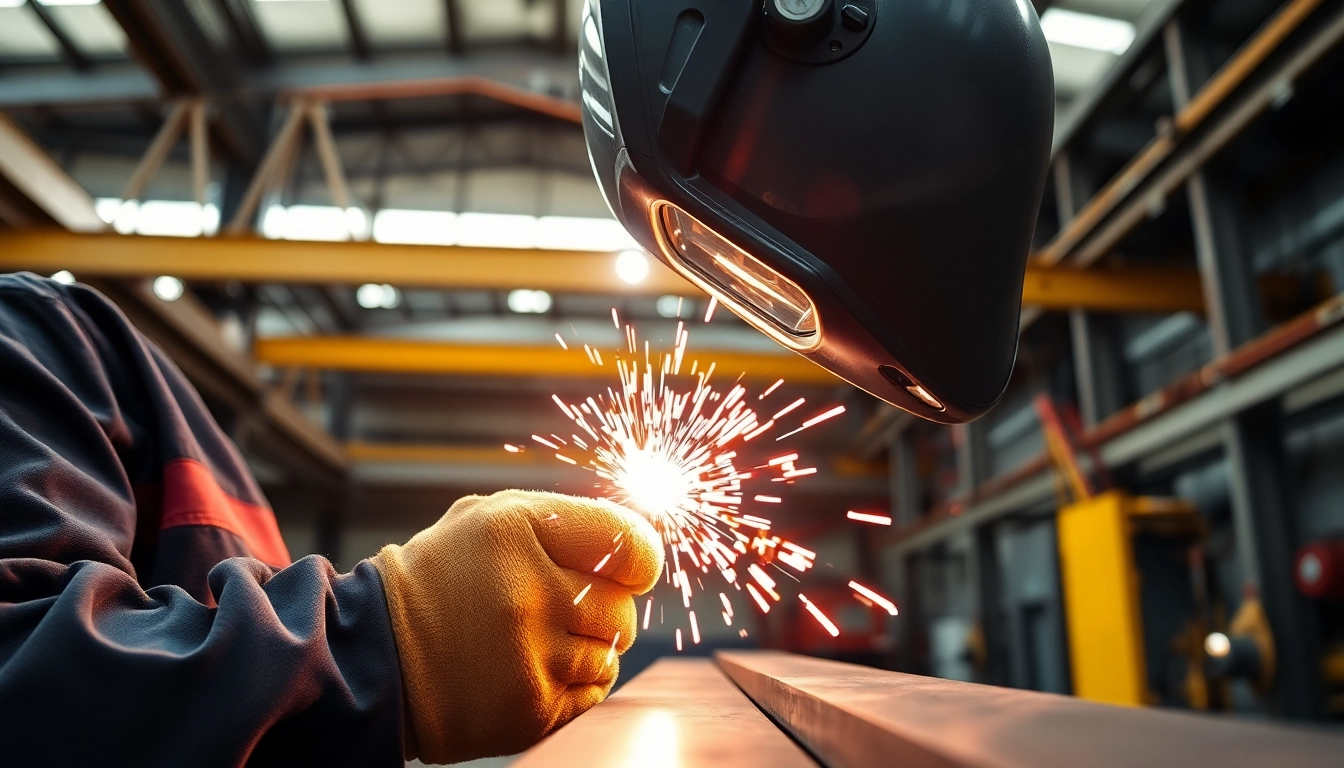
- Welding Helmet: Equipping a helmet with auto-darkening capabilities protects the eyes from UV rays and bright welding arcs.
- Protective Clothing: Flame-resistant materials reduce the risk of burns, while long sleeves and pants minimize skin exposure.
- Gloves: Heavy-duty leather gloves provide both dexterity and protection against heat and sparks.
- Foot Protection: Steel-toed boots guard against heavy falling objects and electrical hazards.
Hazards Associated with Structural Steel Welding
Awareness of hazards is crucial. Common risks include:
- Fumes and Gases: Toxic fumes generated during welding can be harmful if inhaled. Adequate ventilation is essential.
- Arc Radiation: UV and infrared radiation can cause skin burns and eye damage. Shielding is necessary to protect against these hazards.
- Electrical Shock: Workers must use equipment with proper grounding and adhere to safety protocols to minimize the risk of shock.
Preventive Measures to Enhance Safety
Implementing a comprehensive safety program is critical in welding environments. This includes:
- Regular Training: Ongoing education on safety procedures and equipment handling increases awareness and adherence among workers.
- Workplace Cleanliness: Keeping work areas clean and organized reduces the likelihood of accidents and improves efficiency.
- Emergency Procedures: Establishing clear emergency protocols ensures prompt responses to accidents, potentially minimizing injuries.
Quality Control in Structural Steel Welding
Understanding Welding Specifications and Standards
Adhering to established standards is critical for quality assurance. Organizations such as the American Welding Society (AWS) have developed guidelines that specify acceptable practices, materials, and testing methods crucial for structural steel welding.
Common Defects and How to Identify Them
Identifying and addressing defects is vital to maintaining structural integrity. Common defects include:
- Porosity: Gas pockets trapped in the weld can weaken the structure, leading to potential failure.
- Undercutting: This occurs when the weld metal erodes the base metal, reducing thickness and strength.
- Cracking: Welds may crack due to rapid cooling or improper technique, posing severe risks to structural stability.
Testing Procedures for Quality Assurance
Engaging in rigorous testing ensures that all welded joints meet specified strength and durability criteria. Common testing methods include:
- Visual Inspection: The most basic yet fundamental method; it allows for the immediate identification of surface defects.
- Non-Destructive Testing (NDT): Techniques such as ultrasonic testing and radiography assess weld integrity without compromising the structure.
- Destructive Testing: Samples from welded joints may be subjected to tensile and bend testing to evaluate their performance under stress.
Advancing Skills in Structural Steel Welding
Certifications and Training Programs
For professionals seeking to advance in the field of structural steel welding, obtaining certifications from recognized entities such as AWS can provide significant advantages. Various training programs cover essential skills ranging from basic welding techniques to advanced certifications tailored for specialty welding.
Resources for Continuous Learning
Staying updated with the latest trends and technologies in welding is crucial. Here are some recommended resources:
- Industry Journals: Publications such as the Journal of Welding Technology offer scholarly articles and insights into technological advancements.
- Online Courses: Platforms like welding institutes provide online modules that allow welders to enhance their skills at their convenience.
- Workshops and Seminars: Attending events hosted by professional organizations can foster networking and provide hands-on experiences.
Career Opportunities in Structural Steel Welding
The field of structural steel welding offers various career paths, including:
- Welder Fabricator: These professionals construct and assemble steel components based on blueprints and specifications.
- Welding Inspector: Inspectors assess the quality of welds, ensuring they meet safety and agency standards.
- Welding Engineer: Engineers develop welding procedures and standards, employing their expertise to optimize processes and materials.