
Introduction to Real-Time Safety Alerts
In any workplace, hazards can appear suddenly and unpredictably. Real-time safety alerts are essential for rapid hazard identification, enabling organizations to respond immediately to potential risks. By providing instant notifications, these alerts help employees and safety managers act quickly, preventing accidents and protecting both people and property.
Why Rapid Hazard Identification Matters
Workplace safety depends on identifying risks before they escalate. Delays in recognizing hazards can lead to injuries, costly downtime, and regulatory penalties. Real-time safety alerts allow organizations to detect dangers as they occur, ensuring that employees stay informed and can take preventive measures immediately.
How Real-Time Safety Alerts Work
Real-time safety alerts rely on integrated technology systems that monitor workplace conditions continuously. Sensors, connected devices, and AI-driven platforms detect abnormal patterns or dangerous situations. Once a hazard is identified, the system sends instant notifications via mobile devices, email, or dashboards, ensuring that the right people are informed without delay.
Benefits of Real-Time Safety Alerts for Hazard Identification
Immediate Response to Hazards
Employees can react instantly to alerts, reducing the likelihood of injuries or accidents. Rapid communication ensures that hazards are addressed before they escalate.
Improved Safety Compliance
Real-time safety alerts help organizations maintain regulatory compliance by documenting hazard occurrences and responses automatically. This provides a clear record for audits and inspections.
Enhanced Risk Management
By identifying hazards quickly, companies can implement corrective actions, update safety protocols, and prevent recurring incidents.
Employee Confidence and Engagement
A workforce that receives timely hazard information feels safer and more engaged. Real-time safety alerts reassure employees that their well-being is a top priority.
Types of Hazards Covered by Real-Time Safety Alerts
Environmental Hazards
Alerts for chemical spills, gas leaks, extreme temperatures, or other environmental dangers help protect employees from immediate risks.
Equipment and Machinery Hazards
Monitoring machinery in real-time enables alerts for malfunctions, overuse, or unsafe operating conditions, preventing accidents before they occur.
Health and Personal Safety Hazards
Real-time safety alerts can notify employees about biological risks, exposure to harmful substances, or other health-related hazards in the workplace.
Emergency Situations
During fires, natural disasters, or security threats, alerts provide guidance for safe evacuation and emergency response.
Best Practices for Implementing Real-Time Safety Alerts
Integration with Existing Systems
Ensure alerts are connected to your organization’s management platforms to facilitate seamless communication across teams.
Multiple Communication Channels
Deliver alerts through mobile apps, SMS, email, and on-site displays to ensure everyone receives critical information.
Customizable Alerts
Tailor alerts to specific roles, locations, or types of hazards so that employees receive only relevant and actionable information.
Continuous Monitoring and Feedback
Regularly review alerts and gather feedback to improve system accuracy and effectiveness. Real-time safety alerts work best when they adapt to organizational needs.
Technology’s Role in Rapid Hazard Identification
Modern technology enhances the effectiveness of real-time safety alerts. AI algorithms can predict potential risks, IoT devices monitor environmental and equipment conditions, and cloud-based platforms store data for analysis. These tools allow organizations to shift from reactive responses to proactive hazard management, keeping workplaces safer than ever.
Real-Time Safety Alerts Across Industries
Manufacturing
Alerts monitor machinery, chemical storage, and production processes to prevent workplace incidents.
Construction
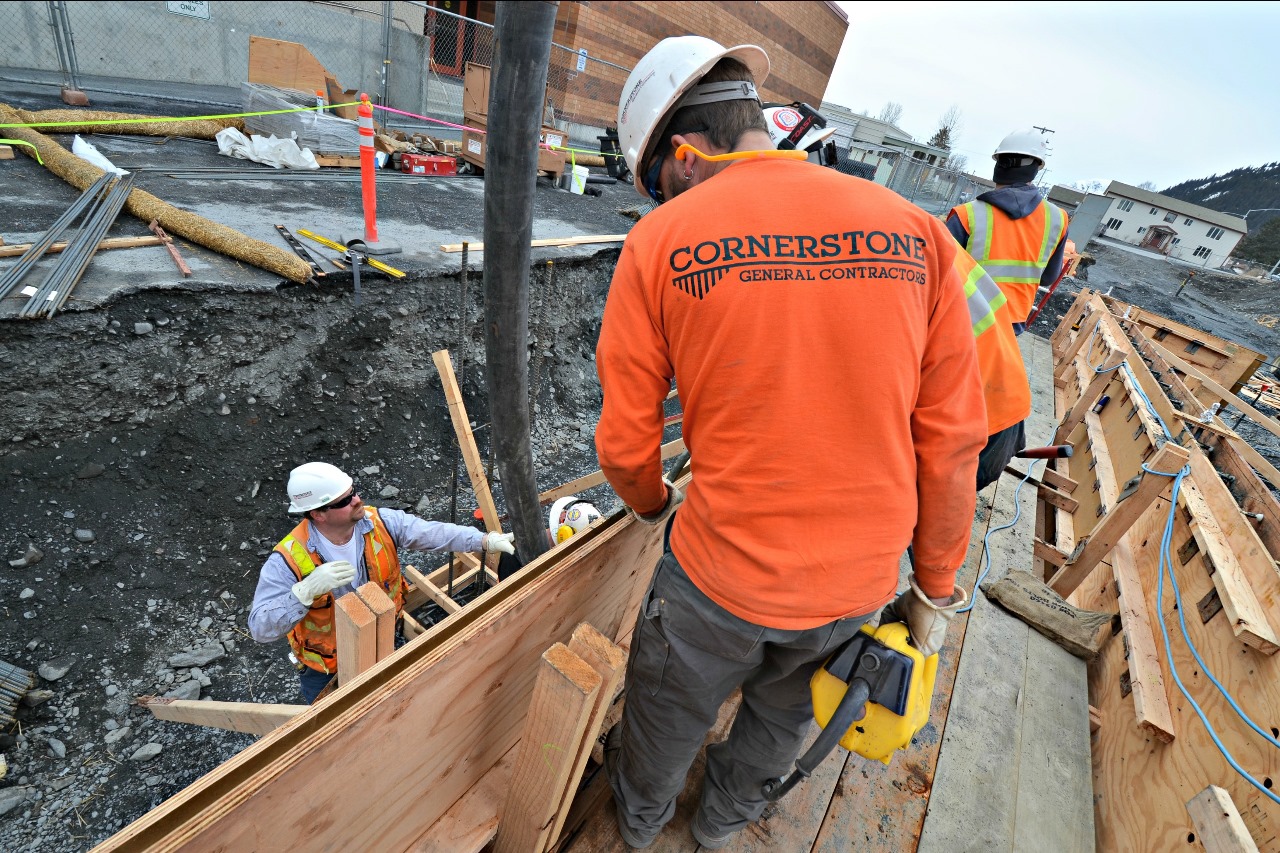
Workers receive immediate notifications about structural risks, equipment hazards, and environmental changes.
Healthcare
Alerts protect staff and patients from infection risks, equipment failures, and emergency situations.
Corporate and Office Environments
Even offices benefit from real-time safety alerts for fire, security threats, and environmental hazards.
Conclusion
Real-time safety alerts for rapid hazard identification are essential for any organization committed to workplace safety. By detecting hazards as they happen and delivering instant notifications, these systems prevent accidents, improve compliance, and create a proactive safety culture. Investing in real-time safety alerts ensures that employees are informed, empowered, and protected, making your workplace safer and more resilient every day.