Understanding Structural Steel Welding
What is Structural Steel Welding?
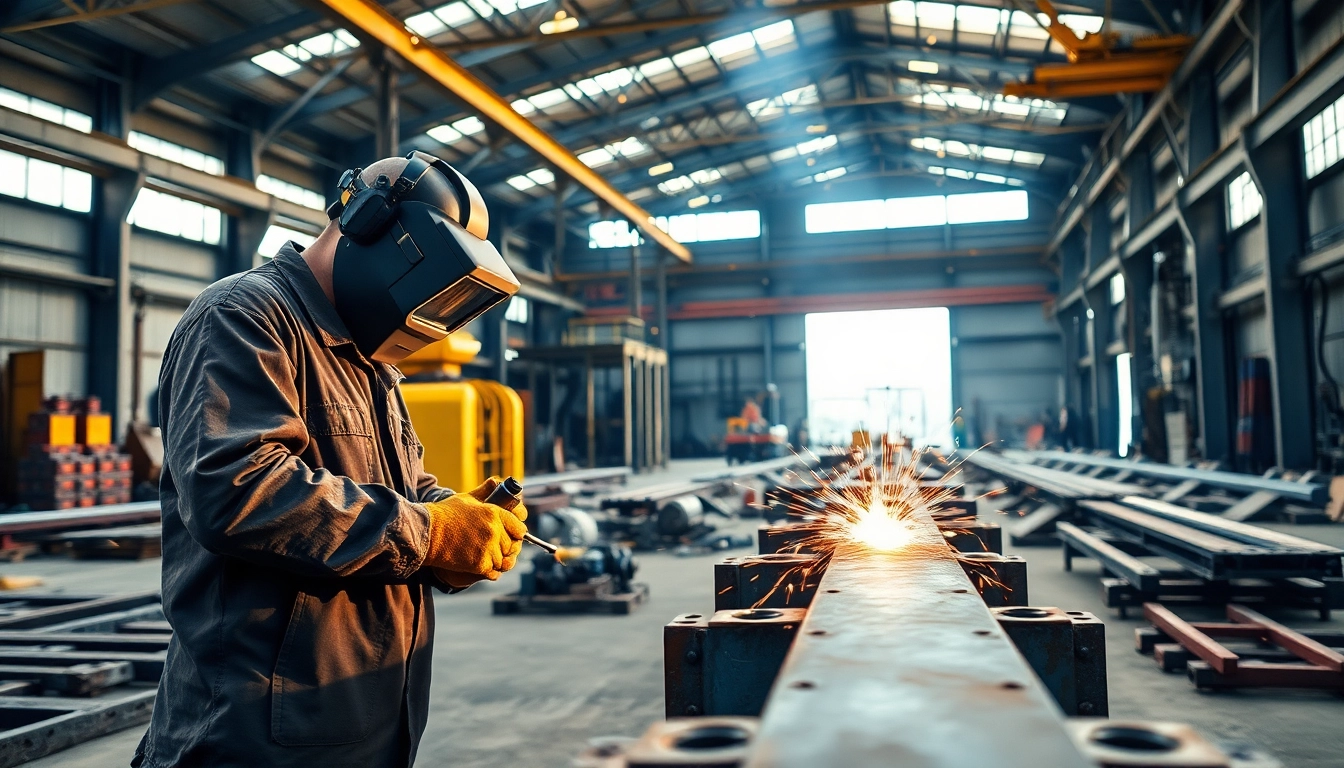
Structural steel welding is a critical process in the construction industry that involves joining various steel components to form structures capable of bearing loads and withstanding environmental conditions. As the backbone of modern buildings, bridges, and other infrastructures, structural steel provides strength and durability. Welding is the most common method for joining steel sections, resulting in a unified and robust structure. The process relies on heat or pressure, or a combination of both, to fuse materials together at the atomic level, thus ensuring they behave as a single cohesive unit.
In construction, structural steel welding encompasses various techniques and methods tailored to the demands of the project. Understanding these welding processes is fundamental for achieving high-quality results in structural projects. Effective structural steel welding ensures the longevity and safety of the structures built, making it a crucial area of focus for engineers, welders, and project managers alike.
Types of Welding Techniques for Structural Steel
Several welding techniques are employed in structural steel welding, each with its benefits and ideal applications. The primary methods include:
- Mig Welding (GMAW): A process that uses a continuous wire feed as an electrode and an inert gas to shield the weld from contaminants. It is known for its high speed and versatility.
- Tig Welding (GTAW): This method uses a non-consumable tungsten electrode and allows for a cleaner finish and greater control over the weld. It is ideal for thinner materials and critical welds.
- Stick Welding (SMAW): Also known as shielded metal arc welding, this process uses a consumable electrode coated in flux. It is effective in outdoor conditions and for thicker materials.
- Flux-Cored Arc Welding (FCAW): Similar to Mig welding but uses a tubular wire filled with flux. It is suitable for thick materials and can be used in windy environments.
Choosing the appropriate welding technique is crucial for ensuring the strength and integrity of the welded joint. Factors such as material thickness, environmental conditions, and specific project requirements influence this decision.
Benefits of Proper Welding in Construction
Proper welding in structural steel fabricated components offers numerous benefits:
- Enhanced Structural Integrity: High-quality welds provide a seamless bond between components, distributing loads effectively and improving overall stability.
- Increased Lifespan: When executed correctly, welds resist corrosion, fatigue, and other forms of degradation, extending the lifespan of structures significantly.
- Cost-Effectiveness: By ensuring strong and durable welds, projects can avoid costly repairs and maintenance down the line.
- Design Flexibility: Welding allows for greater design flexibility, enabling engineers to create more innovative and aesthetic structures.
Common Challenges in Structural Steel Welding
Identifying Welding Defects
Welding defects can significantly compromise the safety and effectiveness of a structure. Common issues include:
- Porosity: Tiny gas pockets formed in the weld metal, leading to reduced strength.
- Cracking: Caused by rapid cooling or excessive stress on the welded joint.
- Incomplete Fusion: Occurs when the weld does not adequately bond with the base metal, weakening the joint.
Identifying these defects early through rigorous inspection processes such as visual checks, ultrasonic testing, and radiographic testing helps ensure structural integrity.
Environmental Factors Affecting Welding Quality
Environmental conditions play a significant role in the quality of structural steel welding. Factors to consider include:
- Temperature: High or low ambient temperatures can affect weld quality, potentially leading to cracks or warping.
- Humidity and Wind: Outdoor welding requires precautionary measures to prevent contamination and inconsistent cooling, which can negatively affect the weld.
It is essential to assess environmental conditions beforehand and implement appropriate measures, such as protective enclosures or heating, to ensure optimal welding conditions.
Training and Skill Level Requirements
The success of structural steel welding largely depends on the skill set of the welder. Proper training and certifications, such as AWS (American Welding Society) qualifications, are necessary to ensure high-quality results. Ongoing education and hands-on experience are also vital, as the welding industry continually evolves with new techniques and technologies. Investing in skilled labor positively impacts the project's quality and safety, reducing the risk of failures during the structure's service life.
Best Practices for Structural Steel Welding
Preparation and Safety Measures
Before initiating any welding project, thorough preparation and safety measures are essential. Key practices include:
- Site Assessment: Conducting a comprehensive site review to identify any potential hazards and design challenges.
- Protective Equipment: Ensuring all personnel are equipped with appropriate personal protective equipment (PPE), such as helmets, gloves, and fire-resistant clothing.
- Pre-Welding Procedures: Establishing quality control protocols and procedures for material preparation, including cleaning the surfaces to be welded and ensuring proper alignment.
Implementing these practices lays a strong foundation for achieving successful welding outcomes.
Selecting the Right Equipment and Materials
The choice of welding equipment and materials directly impacts the efficiency and quality of the welds. Considerations include:
- Welding Machines: Selecting quality machines that meet the specific requirements of the structural steel being welded, such as thickness and type.
- Electrodes and Filler Metals: Choosing the appropriate filler material ensures good compatibility with the base metal, resulting in strong joints.
- Maintaining Equipment: Regular inspection and maintenance of equipment prevent breakdowns and ensure optimal performance during operations.
Having the right equipment and materials is key to fostering an efficient and effective welding environment.
Effective Techniques for Strong Welds
To achieve strong and durable welds in structural steel welding, employ the following techniques:
- Preheating: Preheating the steel can minimize the risk of cracking, particularly in thicker sections or high-strength materials.
- Proper Joint Design: Designing the joints appropriately helps manage stress distribution and increases the overall strength of the weld.
- Control of Heat Input: Monitoring the heat input during the welding process ensures proper penetration and fusion without compromising the integrity of the base material.
Integrating these techniques promotes successful welding outcomes, contributing to the overall quality and longevity of the structure.
Case Studies: Successful Structural Steel Welding Projects
Infrastructure Development Examples
One notable example of successful structural steel welding in infrastructure development is the construction of the San Francisco-Oakland Bay Bridge. This project involved intricate welding methods to ensure the safety and endurance of the bridge, particularly in addressing seismic resistance. Skilled welders utilized advanced techniques to join multiple steel link segments, resulting in a robust structure capable of withstanding the harsh environmental conditions of the bay.
High-Rise Building Applications
In the realm of high-rise construction, the Burj Khalifa in Dubai serves as a landmark example. The structural steel welding performed here was crucial for the framework that supports the iconic tower. Extensive planning went into the choice of materials, welding methods, and quality control standards to ensure the building could handle significant wind loads and seismic activity. The project showcased the importance of skilled welding in achieving the aesthetic and engineering feats associated with modern skyscrapers.
Innovative Solutions in Challenging Environments
In challenging environments, such as offshore oil rigs, structural steel welding faces unique hurdles. A case study related to an offshore platform involved innovative robotic welding technology to enhance precision and efficiency in difficult-to-access locations. The use of automation not only improved the weld quality but also reduced project timelines and labor costs, showcasing how technology can address environmental challenges effectively.
Measuring Performance in Structural Steel Welding
Quality Control and Assurance Methods
Ensuring the quality of welded joints in structural steel involves a robust quality control and assurance program, which may include the following strategic measures:
- Regular Inspections: Conducting visual inspections and non-destructive testing methods at various stages of the welding process to identify defects early.
- Documentation: Keeping detailed records of welding procedures, materials, and inspections helps maintain compliance with standards and facilitates pinpointing issues.
- Calibration of Equipment: Regularly calibrating welding equipment ensures consistent performance and quality across all operations.
These techniques create a systematic approach to welding quality assurance that contributes to the long-term success of construction projects.
Evaluating Structural Integrity Post-Welding
Once the welding is completed, it's vital to evaluate the structural integrity of the welds. This can involve:
- Load Testing: Subjecting welded structures to different loads during testing to verify their strength and stability.
- Dimensional Checks: Ensuring that welded components meet design specifications in alignment and dimensions.
- In-Service Monitoring: Implementing ongoing inspection routines to evaluate performance and detect any issues that arise during the structure's operational life.
Such evaluations ensure that the welded structures maintain their intended performance throughout their lifespan.
Continuous Improvement Strategies in Welding Practices
Lastly, continuous improvement is vital for enhancing welding practices in structural steel applications. Strategies include:
- Feedback Loops: Gathering feedback from welders and engineers can inform improvements in processes and techniques.
- Ongoing Training: Ensuring staff receive training on the latest welding technologies and methods fosters a skilled workforce and promotes innovation.
- Technology Adoption: Incorporating new tools and techniques, such as digital inspections and advanced welding machines, can significantly enhance the quality and efficiency of the welding process.
Through these strategies, organizations can continually advance their welding practices, leading to improved safety and quality in structural steel welding.