
- Understanding Bitcoin Mining Farms and Their Importance
- Setting Up Your Own Bitcoin Mining Farm
- Profitability and Economics of Mining Farms
- Security Best Practices for Bitcoin Mining Operations
- The Future of Bitcoin Mining: Trends and Innovations
- DeFi & Advanced Topics
- Regulatory & Legal Compliance
- Security Threats & Risk Management
Understanding Bitcoin Mining Farms and Their Importance
As cryptocurrency continues to evolve and gain traction globally, understanding the intricacies of bitcoin mining farm operations becomes essential. These farms serve as the backbone of the Bitcoin network, enabling transactions and maintaining the decentralized ledger. By leveraging advanced technologies and innovative practices, Bitcoin mining farms not only facilitate the mining of Bitcoin but also contribute to the security and reliability of the entire blockchain ecosystem.
What is a Bitcoin Mining Farm?
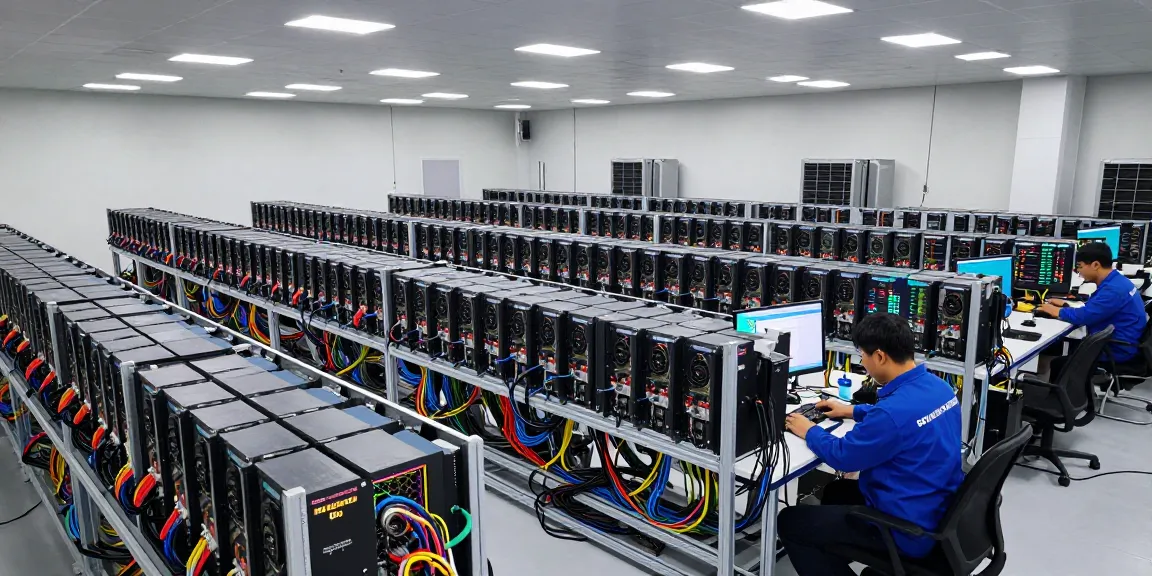
A Bitcoin mining farm is a facility where multiple computers (often ASIC miners) are set up to mine Bitcoin. These operations can range from small home-based setups to large industrial-scale farms that occupy warehouses. The primary function of a mining farm is to solve complex mathematical problems, which allows miners to validate transactions and add them to the blockchain. Successful miners are rewarded with Bitcoin, incentivizing participation in this competitive landscape.
How Bitcoin Mining Works: The Basics
Bitcoin mining operates under a concept called Proof of Work (PoW), where miners compete to solve a cryptographic puzzle. Once the puzzle is solved, miners can add a new block to the blockchain and claim a block reward, currently set at 3.125 BTC. This system ensures that new Bitcoins are introduced into circulation at a controlled rate, thus preventing inflation. Each transaction added to the blockchain is permanently recorded, creating a tamper-resistant ledger for all Bitcoin transactions.
The Role of Hashrate in Mining
Hashrate refers to the computational power used to mine and process transactions on the network. It is a measure of how many calculations a mining rig can perform per second. A higher hashrate increases the chances of successfully mining a block, thereby generating more income for the miner. Mining farms focus on maximizing their hashrate through advanced hardware and optimized setups, making the efficiency of hashrate a critical aspect of mining operations.
Setting Up Your Own Bitcoin Mining Farm
Establishing a successful Bitcoin mining farm requires careful planning and resource allocation. From selecting the right hardware to managing energy consumption, every aspect plays a vital role in determining the farm’s profitability and operational efficiency.
Choosing the Right Hardware: ASIC Miners Explained
Application-Specific Integrated Circuits (ASICs) are the preferred hardware for Bitcoin mining due to their efficiency and performance. Unlike standard computer CPUs or GPUs, ASIC miners are designed specifically for mining tasks, providing higher processing power at lower energy consumption rates. When selecting hardware, miners need to evaluate factors such as hashrate, power efficiency, and cost-effectiveness to ensure profitability in competitive markets.
Electricity and Energy Consumption: Key Considerations
Energy consumption is one of the most significant costs associated with Bitcoin mining. A well-optimized mining operation considers electricity rates in the chosen location and explores sustainable energy sources to reduce costs. Many mining farms are now harnessing renewable energy, such as solar or hydroelectric power, to enhance operational sustainability and profitability. Understanding local energy markets and regulations is essential for maximizing operational efficiency.
Networking and Cooling Solutions for Mining Operations
A mining farm’s efficiency also depends on its network infrastructure and cooling systems. A robust networking solution ensures that miners can communicate effectively with the blockchain, while adequate cooling systems help maintain optimal temperatures for hardware performance. Mining rigs generate substantial heat, necessitating well-planned ventilation and cooling solutions to prevent overheating and potential hardware damage.
Profitability and Economics of Mining Farms
Understanding the profitability of a Bitcoin mining farm involves thorough analysis and strategic planning. Factors such as hardware investment, energy costs, and market volatility significantly impact financial returns.
Evaluating Mining Profitability: Costs vs. Rewards
To evaluate profitability, miners must consider all costs, including initial hardware purchases, ongoing energy expenses, and potential mining pool fees. The rewards from successfully mining blocks must outweigh these costs for a mining operation to be sustainable. Profitability calculators can assist miners in estimating return on investment (ROI) based on current Bitcoin prices, mining difficulty, and hashrate.
Market Factors Affecting All Bitcoin Miners
Market dynamics play a considerable role in mining profitability. Fluctuations in Bitcoin prices, changes in mining difficulty, and global regulatory developments can all influence miners’ earnings. It’s crucial for miners to stay informed about market trends and develop adaptive strategies to respond effectively to these changes, ensuring long-term viability in their mining endeavors.
Strategies for Optimizing Returns on Your Mining Farm
Miners can adopt various strategies to optimize their returns, including joining mining pools, utilizing advanced cooling techniques, and investing in energy-efficient hardware. Additionally, diversifying their mining activities across different cryptocurrencies can enhance income stability, particularly in volatile markets. Regular performance reviews and strategic adjustments can also help maximize profitability over time.
Security Best Practices for Bitcoin Mining Operations
Security is a critical concern for Bitcoin mining farms, given their substantial investments and the value of the assets involved. Implementing proper security measures safeguards operations against potential threats.
Protecting Your Mining Farm from Cyber Threats
Mining farms are prime targets for cyberattacks, including phishing attempts and hacking. Robust cybersecurity protocols, including firewalls, intrusion detection systems, and regular software updates, are necessary to defend against these threats. Adopting multi-signature wallets can add an additional layer of security for the funds generated from mining activities.
Essential Security Measures for Hardware and Software
Securing physical hardware is equally important. Rigorous access control measures, including biometric authentication and surveillance systems, help protect mining rigs from theft or tampering. For software, employing secure operating systems and regularly auditing configurations can mitigate vulnerabilities.
The Importance of Data Privacy and Compliance
As with all financial operations, compliance with regulatory requirements protects miners and enhances their credibility in the market. Understanding data privacy laws and ensuring that operational practices align with local regulations are essential steps for maintaining a compliant and secure mining operation.
The Future of Bitcoin Mining: Trends and Innovations
The Bitcoin mining landscape is constantly evolving. Staying ahead of trends and technological advancements is crucial for miners looking to maintain their competitive edge.
Emerging Technologies in Bitcoin Mining
Technological innovations such as AI-driven optimization tools, improved cooling systems, and more efficient ASIC designs are shaping the future of mining. These advancements will likely lead to higher profitability and reduced environmental impact for mining operations.
Environmental Considerations and Sustainable Mining
As environmental concerns gain prominence, there is increasing scrutiny of Bitcoin mining’s energy consumption. Sustainable mining practices, including the use of renewable energy sources, are becoming increasingly important. Adoption of practices that minimize carbon footprints can enhance not only the public image of mining operations but can also benefit their bottom line in the long run.
Regulatory Developments Impacting Mining Farms
As the regulatory landscape surrounding cryptocurrencies evolves, mining farms must adapt to new requirements. Regulations concerning energy usage, taxation, and operational compliance can have significant effects on profitability. It is crucial to stay updated on geopolitical developments and regulatory measures impacting the mining industry to ensure that operations remain compliant and competitive.
What are the main challenges facing Bitcoin mining farms?
Some of the greatest challenges include fluctuating Bitcoin prices, increasing energy costs, and competition as more miners enter the space. Addressing these challenges requires strategic planning and risk management approaches.
Are Bitcoin mining farms environmentally friendly?
The environmental impact of Bitcoin mining is a topic of heated debate. While traditional mining practices may lead to high carbon emissions, a shift towards renewable energy solutions is paving the way for more sustainable operations. Miners who prioritize eco-friendly practices will likely benefit from both regulatory compliance and consumer preference.
How can I scale my Bitcoin mining farm effectively?
Effective scaling of a Bitcoin mining farm requires a combination of strategic investment in hardware, energy optimization measures, and possibly co-location services. Being flexible and responsive to market changes is key in optimizing growth and maintaining operational efficiency.
What should I consider when selecting a mining pool?
Choosing a mining pool involves evaluating factors such as pool size, fee structure, payout systems, and the pool’s reputation. A well-chosen pool can enhance the chances of consistent payouts and provide a more supportive community for miners.
How can I ensure profitability in my mining operations?
Profitability hinges on energy costs, equipment efficiency, and Bitcoin market performance. Regularly evaluating these factors and adjusting operational strategies in response to market trends will help maintain profitability over time.
DeFi & Advanced Topics
Integrating DeFi strategies into Bitcoin mining can unlock additional revenue streams and enhance overall profitability. Understanding DeFi protocols and their implications is crucial for modern mining operations.
Decentralized Exchanges (DEXs) and their Role in Mining
Decentralized exchanges enhance liquidity and facilitate trading of mining-related tokens. By participating in DeFi, miners can potentially earn yield from their holdings through staking, liquidity provision, or farming strategies.
Lending and Borrowing Platforms for Miners
Platforms like Aave and Compound allow miners to leverage their assets efficiently. By staking mined tokens, miners can access credit without selling their Bitcoins or other assets, effectively enhancing their financial flexibility.
Yield Farming and Liquidity Mining Strategies
Yield farming involves putting cryptocurrencies to work in various DeFi protocols to earn interest or tokens. Miners can engage in liquidity mining by providing liquidity to decentralized pools, thereby generating additional income on top of regular mining rewards.
Flash Loans and Arbitrage Opportunities
Flash loans offer a method for capitalizing on arbitrage opportunities without upfront capital. Miners can use this feature to exploit price discrepancies across platforms, using their industry insights to inform trades.
Regulatory & Legal Compliance
With the proliferation of cryptocurrency, regulatory compliance is essential for all Bitcoin mining operations. Understanding specific legal frameworks affecting mining activities ensures sustainable operations.
SEC Regulations and Securities Classification
The U.S. SEC is increasingly scrutinizing cryptocurrency and blockchain projects. Understanding how regulations classify tokens and participation in ICOs primed for mining operations is necessary to navigate the evolving landscape successfully.
CFTC Oversight of Crypto Derivatives
The CFTC’s oversight of crypto derivatives presents both opportunities and challenges for miners. Compliance with regulations ensures that derivatives trading remains fair and secure while offering additional opportunities for revenue generation.
MiCA Regulation and its Impact on the EU Market
Europe’s MiCA regulations aim to create a standard framework for crypto-asset markets. Miners operating within the EU must understand compliance requirements related to licensing, consumer protection, and anti-money laundering (AML) to navigate legal hurdles effectively.
AML/KYC Requirements for Exchanges
Compliance with AML and KYC regulations is paramount for exchanges where mined bitcoins are traded. Miners should ensure that all operational practices conform to these regulations to mitigate legal risks associated with their transactions.
Security Threats & Risk Management
Security risks in the mining industry can lead to significant financial losses. Awareness and proactive measures are vital in defending against potential threats.
Common Security Threats
- Phishing attacks aimed at credential theft.
- Sim-swap attacks that can lead to account takeovers.
- Malware targeting mining software.
- Risk of fake ICOs and exit scams.
- 51% attacks compromising smaller networks.
Risk Mitigation Strategies
- Conduct thorough due diligence before engaging with platforms.
- Implement strong access controls and wallet security, including multi-signature setups.
- Regularly update software and hardware to minimize vulnerabilities.
- Monitor community feedback to identify potential scams prematurely.
In conclusion, operating a Bitcoin mining farm presents both challenges and opportunities within the evolving landscape of cryptocurrency. Understanding the technical, economic, and regulatory aspects of mining will equip operators with the necessary tools to navigate the complexities of this industry successfully.